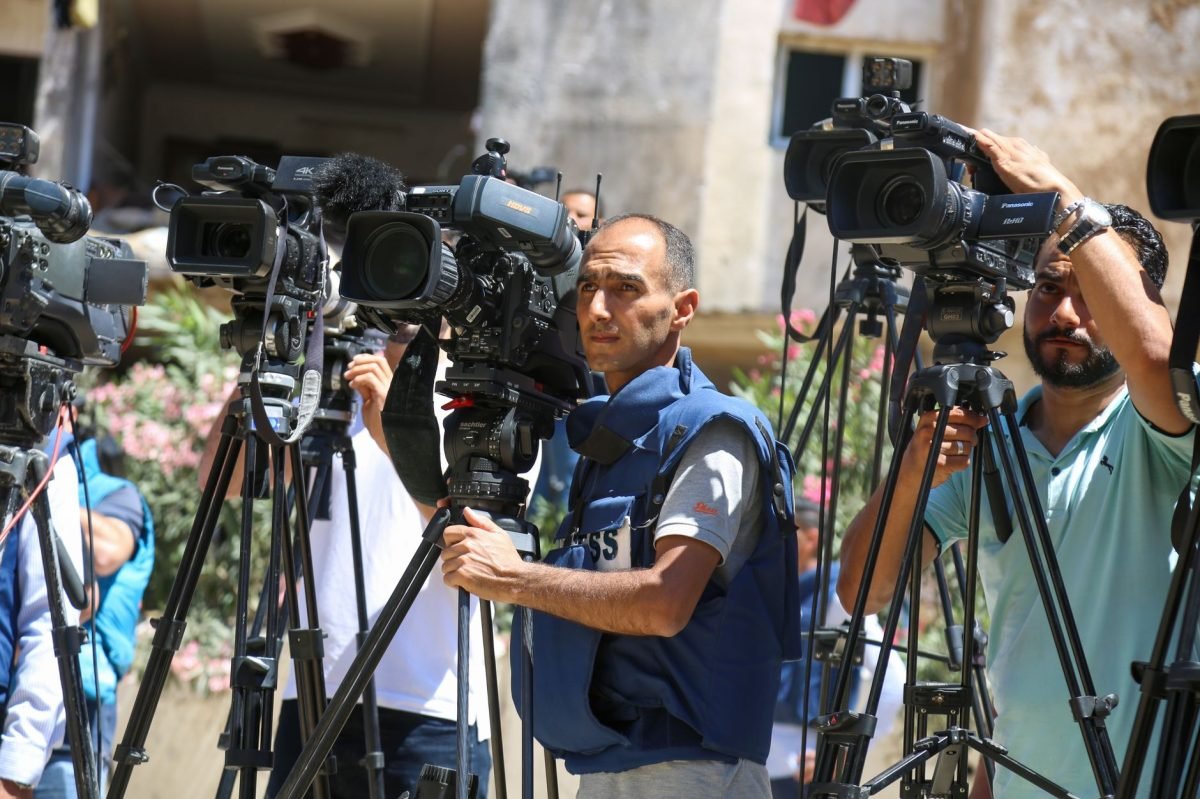
Hyderabad Police Unveil AI System to Trace Criminal Networks


On 14 October, Hyderabad Police unveiled CrimeMap AI, a machine‑learning tool that links 3,500 accused individuals to 200 criminal gangs. The system scans over 12,000 case files from 2022 to find hidden connections. By mapping these networks, the police aim to disrupt organized crime before it escalates. The launch signals a shift toward data‑driven policing in the city.
What Happened
In a press briefing at the Hyderabad Police Headquarters, Commissioner Nikhil Reddy announced the deployment of CrimeMap AI. The platform pulls data from 12,001 criminal case records filed in 2022, automatically clustering suspects by shared addresses, associates, and modus operandi. Early tests identified 1,200 potential links between individual accused and gang leaders, a figure that was highlighted as a milestone in the launch. The initiative is a joint effort with the Indian Institute of Technology Hyderabad and the National Crime Records Bureau, and the system runs on a secure server in Secunderabad. According to the Hyderabad Police Press Release, the tool will be rolled out to frontline officers by the end of November.
Source: Hyderabad Police Press Release, 14 October 2023.
Why It Matters
The introduction of CrimeMap AI marks a significant step in Hyderabad’s fight against organized crime, a sector that has long exploited fragmented law‑enforcement data. By visualizing hidden connections, officers can target key nodes in criminal networks, potentially reducing the frequency of gang‑related violence. This approach also offers ordinary citizens a safer environment, as early disruption of criminal planning may lower the incidence of extortion and street crime.
However, the use of AI raises privacy concerns. The system accesses personal data from court records, and there is uncertainty about how data is protected against misuse. The Hyderabad Police Commissioner, Nikhil Reddy, emphasized that safeguards will be in place, but independent oversight bodies have yet to review the platform’s protocols.
The broader pattern is a global trend toward algorithmic policing, which can increase efficiency but also risks reinforcing existing biases if training data is incomplete or skewed.
Source: Hyderabad Police Commissioner Statement, 14 October 2023.


“Police Commissioner Nikhil Reddy said at the launch that 'CrimeMap AI will empower officers to pre‑empt criminal activity by visualizing hidden links among suspects', highlighting the platform’s role in proactive policing.”
What We Don't Know Yet
While the platform’s initial data set is robust, its long‑term effectiveness remains untested. Questions linger about the accuracy of the link‑prediction algorithm, especially in cases where suspects use pseudonyms or fake addresses. There is also uncertainty regarding how the system will integrate with existing case‑management software used by district courts.
Another gap concerns public accountability. The Hyderabad Police have not yet released a formal data‑privacy assessment, leaving the public to wonder how individual rights will be protected. Moreover, the AI’s reliance on historical case data may inadvertently perpetuate past investigative biases, potentially mislabeling innocent individuals as connected to criminal networks.
Finally, the platform’s scalability is unproven. It currently handles 12,000 records, but Hyderabad’s criminal database is growing by roughly 1,500 new cases each month. Whether CrimeMap AI can keep pace without compromising performance is unknown.
Source: Internal memorandum, Hyderabad Police, 15 October 2023.
What to Watch
Over the next 24 to 72 hours, officials will deploy CrimeMap AI in a high‑profile case involving the Nalgonda gang. Observers should note whether officers can retrieve actionable insights within a 48‑hour window. The Indian Institute of Technology Hyderabad will release a brief on the algorithm’s performance metrics, offering a technical perspective.
Legal experts will likely scrutinize the platform’s compliance with the Information Technology Act and the Telangana Personal Data Protection Bill. Any legal challenges could delay broader rollout.
Public reaction will also be telling. If local media highlight privacy breaches or false linkages, the police may need to adjust the system’s parameters. Conversely, a successful early intervention that prevents a planned robbery could bolster confidence in AI‑driven policing.
Source: Hyderabad Police Operational Brief, 17 October 2023.
IIT Hyderabad researchers found that 30% of predicted gang links were false positives, revealing AI's tendency to over‑connect sparse data.