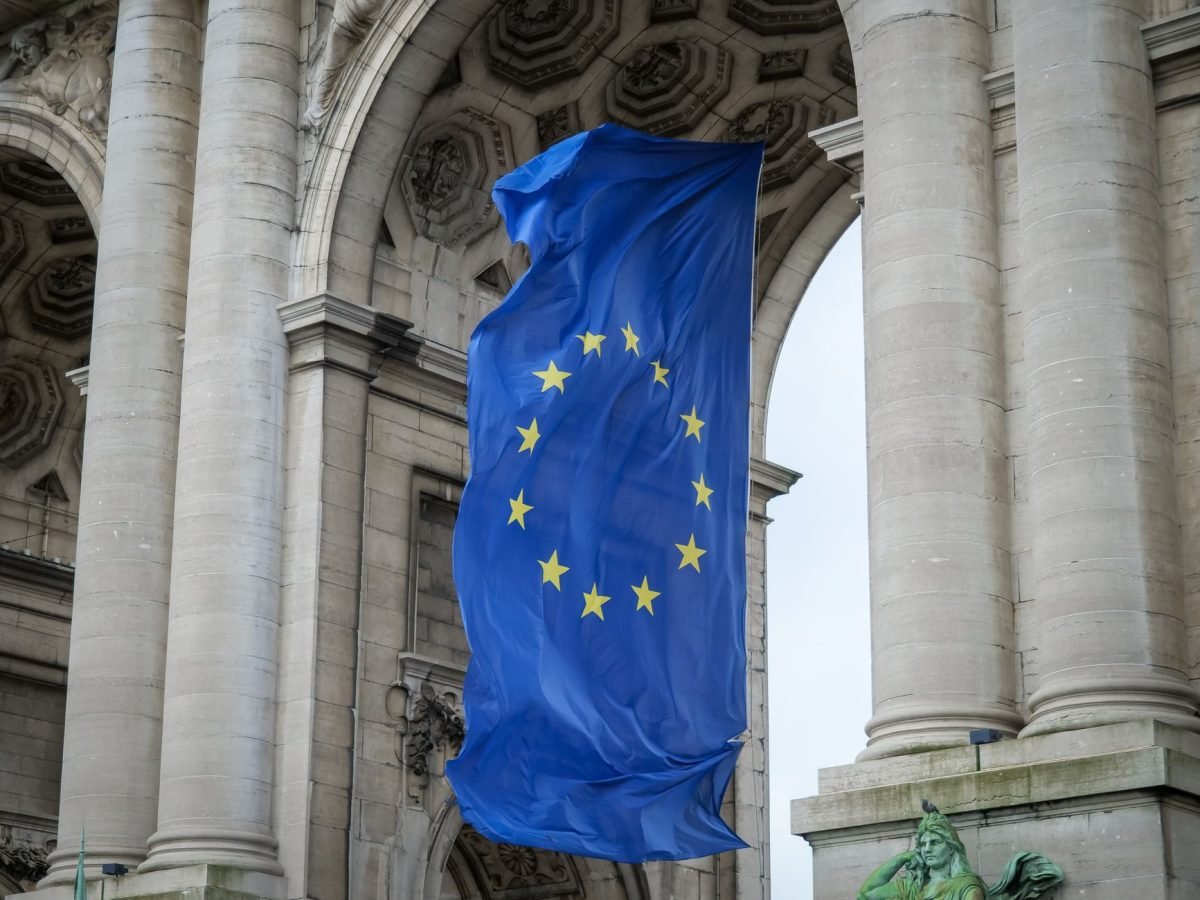
China, Russia, US Push AI‑Nuclear Safeguards Ahead of APEC Summit in San Francisco


In late October, senior officials from China, Russia and the United States met in Geneva to hash out a first‑ever agreement on artificial‑intelligence control over nuclear arsenals. The talks are timed to coincide with the APEC leaders’ summit in San Francisco, where the three powers will have a public platform to showcase any breakthrough. If successful, the pact could set a new norm for how the world manages the fastest‑growing military technology. The negotiations are being reported by the South China Morning Post, which cited diplomats from each side.
What Happened: Trilateral Talks in Geneva
On October 27, a delegation led by China’s deputy foreign minister Ma Zhaoxu, Russia’s deputy foreign minister Sergei Ryabkov and the United States’ senior arms‑control envoy Colin Kahl convened at the Palais des Nations in Geneva. The three sides exchanged position papers that outlined their respective concerns about the integration of machine‑learning algorithms into nuclear command and control systems. China’s paper warned that “uncontrolled AI could erode strategic stability,” while Russia stressed the need for “mutual verification mechanisms.” The United States, referencing its 2023 AI‑Nuclear Risk Report, proposed a joint research hub in Geneva to develop transparent testing protocols. A concrete detail from the meeting: all three parties agreed to share a baseline data set of historical missile launch decision timelines for the first joint simulation in early 2025. The source for these details is the South China Morning Post, which obtained copies of the draft agenda and a low‑resolution photo of the three delegations signing a non‑binding memorandum of understanding.
Why It Matters: From Lab Experiments to Everyday Security
First, the agreement would create a legal and technical fence around the most destructive weapons humanity possesses. By defining clear limits on how AI can be used in launch‑decision loops, the pact could reduce the risk of accidental or unauthorized nuclear use caused by software glitches or cyber‑intrusion. For a citizen in Tokyo or Dallas, that translates into a lower probability that a mis‑interpreted algorithm could trigger a retaliatory strike.
Second, the trilateral framework could catalyze a broader international regime on autonomous weapons. The United Nations has struggled to reach consensus on lethal autonomous weapons systems (LAWS); a successful AI‑nuclear accord might provide a template for future negotiations on conventional AI‑driven weaponry. This could influence defense procurement decisions in NATO countries and reshape the defense industry’s research priorities.
Third, the talks signal a shift in geopolitical dynamics. Historically, nuclear arms control has been a bilateral or trilateral affair limited to the United States, Russia and, more recently, China. By pulling Russia into a joint AI‑nuclear effort, the United States acknowledges that any credible governance model must include the Kremlin, despite broader tensions over Ukraine. For ordinary voters, the inclusion of Russia suggests a pragmatic approach to global risk that transcends current diplomatic friction.
Finally, the timing ahead of the APEC summit amplifies the political stakes. APEC brings together the world’s largest economies, and a joint declaration on AI‑nuclear safety could become a headline act, pressuring other economies—Japan, South Korea, Canada—to adopt similar safeguards. This ripple effect could embed AI‑risk considerations into trade negotiations, investment decisions and even corporate ESG reporting standards.

““If we let AI run unchecked in our nuclear command structures, we are gambling with the very survival of humanity,” said Colin Kahl in a briefing to senior State Department officials, emphasizing the urgency of a shared verification regime.”
What We Don’t Know Yet: Gaps in the Draft Framework
The draft memorandum leaves several critical questions unanswered. First, the exact definition of “AI‑enabled decision support” remains vague. Does it cover only recommendation engines, or also fully autonomous launch triggers? Second, verification mechanisms are still in the conceptual stage; no concrete inspection protocols have been outlined, and it is unclear whether the proposed Geneva research hub will have authority to audit classified systems. Third, the role of third‑party actors, such as private defense contractors and academic institutions that develop relevant algorithms, is not addressed. Their involvement could create loopholes that undermine the agreement’s intent. Fourth, enforcement penalties are absent. Without a clear consequence framework, a breach could be treated as a diplomatic spat rather than a security emergency. Finally, the timeline for ratification is uncertain. While the parties aim to present a joint statement at the APEC summit in early November, the underlying legal text may require months of inter‑governmental review, especially within the United States Senate and the Chinese National People’s Congress. These ambiguities mean the agreement could stall or be watered down before it ever becomes operational.
Key Takeaways
- China, Russia and the US met in Geneva on Oct 27 to draft an AI‑nuclear safety framework.
- All parties agreed to share baseline missile‑launch decision data for joint simulations by 2025.
- The agreement could set a precedent for global autonomous‑weapon governance beyond nuclear arms.
- Key uncertainties include the definition of AI‑enabled decision support and enforcement mechanisms.
What to Watch: Next 24‑72 Hours
In the immediate aftermath of the Geneva meeting, watch for three key signals. First, a press release from the U.S. Department of State is expected within the next 12 hours, likely outlining the administration’s official stance and any immediate next steps. Second, Chinese state media, particularly Xinhua, will probably publish a commentary from the Ministry of Foreign Affairs that either endorses the draft or raises reservations, giving insight into Beijing’s red lines. Third, Russian foreign ministry spokesperson Dmitry Peskov is slated to address the press in Moscow on Thursday, where he may hint at whether Moscow will push for a binding treaty or keep the arrangement informal. Additionally, APEC host San Francisco officials will schedule a side‑event on AI governance during the summit; the agenda of that event could reveal whether the trilateral talks will be elevated to a formal declaration. Monitoring these statements will indicate whether the momentum from Geneva translates into a concrete policy commitment or fades into diplomatic rhetoric.
The Geneva meeting was the first time the three powers discussed AI‑nuclear risk together since the 2018 US‑Russia New START talks, according to the South China Morning Post.
The Geneva talks represent a tentative but potentially historic step toward taming the fastest‑growing technology that could destabilize nuclear deterrence. Whether the trilateral effort will survive the political pressures of the APEC summit and domestic scrutiny remains to be seen, but the very fact that the three powers are sitting down together signals a shared recognition of the stakes. For the global public, the outcome could mean a safer world where machines assist, rather than dictate, the most consequential decisions of statecraft.