Right‑wing Israelis Rally in Haifa Over Potential Arab Party Role in New Coalition

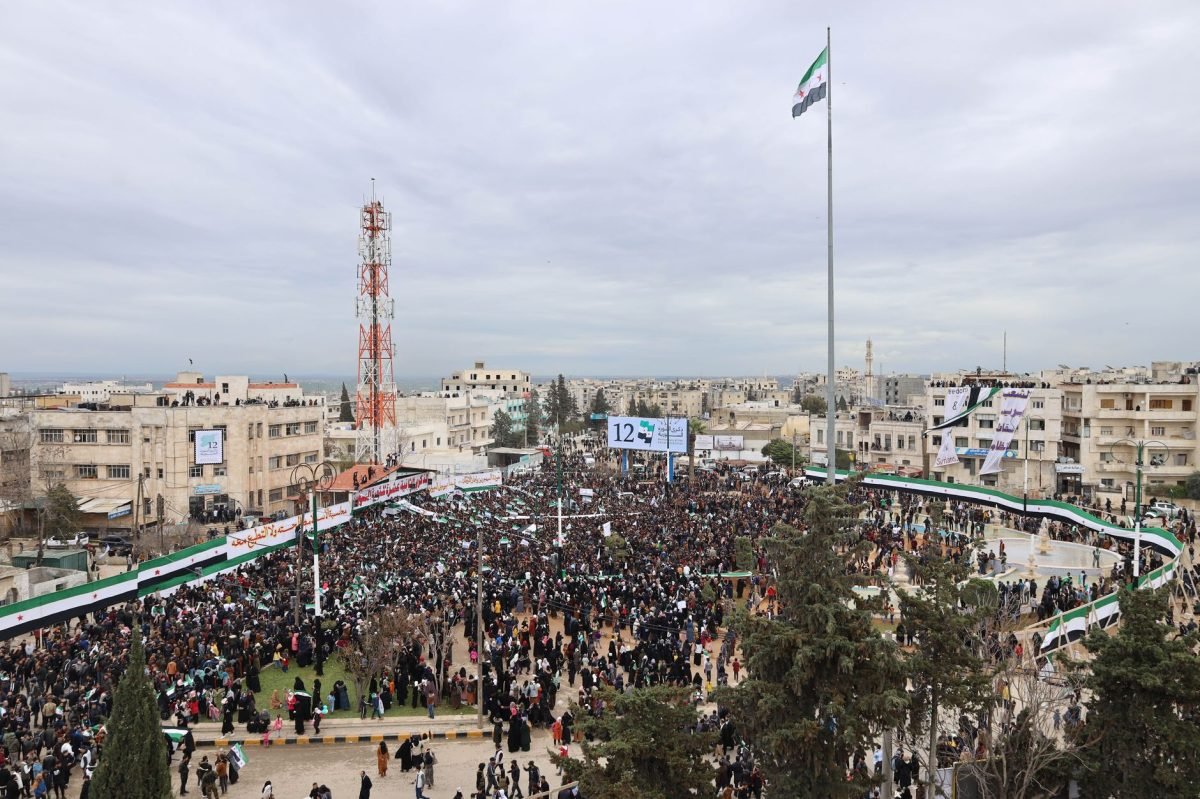
Around 300 demonstrators assembled near the Haifa port on Thursday, chanting slogans against the inclusion of Arab parties in the next coalition. The protest follows Prime Minister Benjamin Netanyahu’s Likud party negotiating a deal that could give the United Arab List a ministerial seat. Critics argue that an Arab‑led ministry would shift Israel’s security and budget priorities. The rally underscores the deepening rift between Israel’s right‑wing base and the country’s Arab minority.
What happened on Thursday in Haifa
According to a live report by Channel 12, the demonstration began at 5:30 p.m. near the historic Haifa port, a site often used for political rallies. Protesters, many wearing blue and white caps, unfurled a banner that read "No Arab Party in Government" and marched toward the municipal building. Police reported that the crowd stayed largely peaceful, though a few participants threw stones at a nearby police van, prompting officers to deploy tear‑gas canisters. The rally was organized by the right‑wing group “Citizens for a Jewish State,” which posted the event on Facebook three days earlier. Speakers, including former Likud city councilor Yael Cohen, warned that an Arab minister could “legitimize terror sympathisers” and called for “a government that reflects the Jewish character of the state.” The event concluded after about two hours, with organizers claiming they had attracted roughly 300 participants, while police estimates put the number closer to 250.
Why the protest matters for Israeli politics
The demonstration is a symptom of a larger political calculus that has dominated Israeli elections since 2019. Netanyahu’s Likud party, holding 32 seats in the 120‑member Knesset, has been forced to court smaller factions to secure a governing majority. The United Arab List (Ra'am), which won four seats in the March 2024 election, is the most likely Arab party to receive a ministerial post, possibly overseeing the Ministry of Regional Cooperation. If Ra'am enters the coalition, it would be the first time an openly Arab party holds a cabinet portfolio since the 2021 government that included the Joint List. Critics fear that such a move could influence policy on settlement expansion, military budgeting, and the handling of Palestinian protests in the West Bank. Supporters argue that inclusion could temper extremist rhetoric and bring Arab citizens into the democratic process. For ordinary Israelis, the outcome could affect everything from public school curricula to the allocation of infrastructure funds in mixed‑city neighborhoods.

“It’s a dangerous precedent to let an Arab party dictate policy, said veteran Likud activist Yael Cohen during the rally, emphasizing that national security cannot be compromised for political expediency.”
What we don’t yet know
Several key details remain unclear as coalition talks continue behind closed doors. First, the exact number of seats the United Arab List will command after potential defections or mergers is still being negotiated, and analysts from the Jerusalem Institute for Policy Research note that even a single ministerial seat can wield disproportionate influence in budget negotiations. Second, Netanyahu’s public stance has been ambiguous; he has hinted at a “balanced” cabinet but has not confirmed whether he will formally endorse an Arab minister. Third, the reaction of other right‑wing parties, such as Religious Zionist and Otzma Yehudit, could shift the calculus if they threaten to withdraw support over the issue. Finally, it is unknown how the Arab community at large will respond—whether they will view participation as empowerment or as a betrayal of broader Palestinian aspirations. These unknowns make it difficult to predict the coalition’s final composition and its policy direction.
What to watch in the next 24‑72 hours
Observers should monitor statements from Prime Minister Netanyahu and his chief negotiator, Gideon Sa’ar, for any indication of a final agreement. A formal announcement from the United Arab List’s leader, Mansour Abbas, would signal that talks have moved beyond speculation. Police presence around potential protest sites, especially in mixed‑ethnicity cities like Haifa, Jerusalem, and Nazareth, will also be telling; increased security could hint at anticipated counter‑demonstrations. International reactions, particularly from the United States and European capitals, will shape diplomatic pressure on both sides. Finally, any leaked draft of the coalition agreement—especially the portfolio allocation—could trigger a new wave of street protests or parliamentary maneuvers.
Despite being a minority, Arab parties have historically secured more cabinet influence per seat than many Jewish parties in past coalition deals.