Iran's Foreign Minister Abbas Araghchi Says Hormuz Shipping Won’t Return to Pre‑War Levels

On Sunday, Iran’s foreign minister Abbas Araghchi told reporters that vessel traffic through the Strait of Hormuz fell by roughly 30% in the past month compared with the same period in 2022. He linked the decline to the ongoing confrontation between the United States, Israel and Iran. The statement signals a shift in regional maritime dynamics that could reverberate through global oil markets. Understanding the new reality is essential for policymakers, traders and anyone dependent on the flow of energy commodities.
What Araghchi Said and When He Said It
During a press briefing at Tehran’s Foreign Ministry on Sunday, 25 October, Abbas Araghchi explained that the conflict with the United States and Israel has fundamentally altered security conditions in the Persian Gulf. He cited a recent report from the Iranian Maritime Authority that documented a 30 percent drop in the number of container ships and oil tankers transiting the Strait of Hormuz between September and early October. Araghchi emphasized that the reduction was not a temporary blip but a structural change caused by heightened naval patrols, the presence of U.S. carrier groups, and the risk of missile strikes. He added that Iran’s own naval forces have increased patrols and have begun escorting commercial vessels to mitigate perceived threats. Account to the Tehran Times noted that the minister also referenced a series of “incidents” involving unidentified fast‑moving craft near the strait in early September, which further discouraged commercial operators. The minister’s remarks came after a week of heightened rhetoric on both sides, including a U.S. statement that it would protect shipping lanes against any Iranian aggression.
Implications for Global Energy Markets and Regional Security
The Strait of Hormuz is a chokepoint through which about 20 percent of the world’s petroleum passes daily. A sustained decline in traffic could push oil prices higher, especially if refiners anticipate supply disruptions. Analysts at Bloomberg have warned that even a modest 10 percent reduction in flow can add $2‑$3 per barrel to the global price, affecting everything from gasoline at the pump to airline fuel costs. For countries that rely heavily on imported oil—such as Japan, South Korea and many European nations—the prospect of a less reliable route forces them to consider alternative supply lines, including longer routes around the Cape of Good Hope, which increase shipping costs and carbon emissions.nnBeyond economics, the security calculus in the Gulf is shifting. Iran’s increased naval presence and its statement that the strait will not revert to “pre‑war” conditions signal a willingness to assert control over its maritime borders. This stance may embolden regional allies like Syria and Hezbollah to adopt more confrontational postures, while Gulf Cooperation Council (GCC) states could accelerate their own naval procurement programs. The United Nations has called for de‑escalation, but the lack of a clear diplomatic pathway leaves commercial insurers raising premiums for vessels that still choose the Hormuz route. In turn, higher insurance costs are passed on to shippers, further inflating the price of imported goods worldwide.

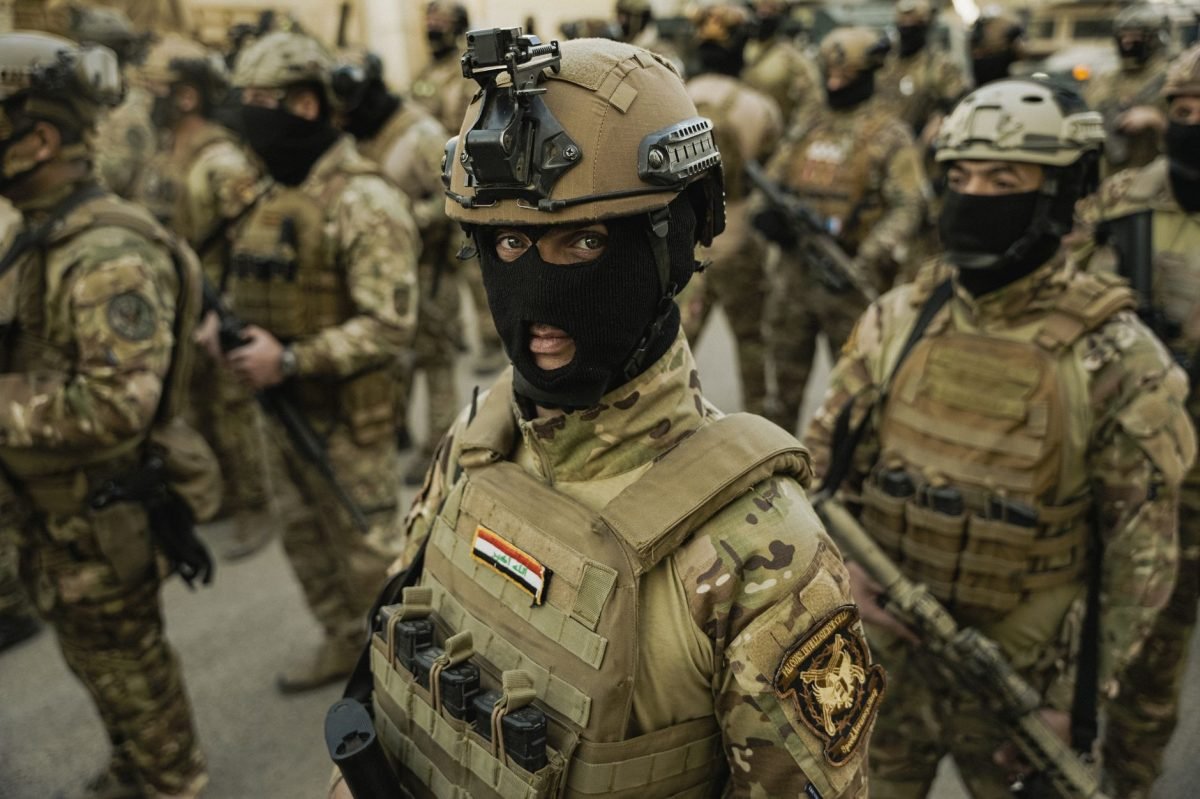
“Araghchi told the press that "the security environment has fundamentally changed; we cannot expect the strait to function as it did before the escalation," underscoring Tehran’s view that the status quo is no longer attainable.”
Unanswered Questions About Future Traffic and Diplomatic Moves
While Araghchi’s statements provide a clear picture of Iran’s current stance, several critical uncertainties remain. First, it is unclear how long the 30 percent reduction in vessel traffic will persist. The Iranian Maritime Authority has not released a timeline for when, if ever, traffic might normalize, leaving ship owners to make decisions based on incomplete data. Second, the diplomatic channel between Washington and Tehran is in a stalemate; no formal talks have been scheduled, and each side continues to issue threats of further naval deployments. Third, the role of third‑party mediators such as the European Union or the United Nations remains ambiguous. Past attempts at de‑escalation, like the 2021 Joint Comprehensive Plan of Action, did not directly address maritime security, and it is uncertain whether any new framework can be negotiated quickly enough to influence near‑term shipping patterns. Finally, the impact on regional economies—particularly those of the Gulf states that depend on transit fees—has not been