Inside Rwanda's Dress Code Controversy: How Kagame Defended a Cultural Mandate


On June 12, 2024, President Paul Kagame addressed a gathering of journalists in Kigali, reiterating his government’s stance on modest attire in public spaces. He framed the dress‑code policy as a safeguard of Rwanda’s cultural identity, not a punitive measure. The comments arrived amid growing social‑media backlash from young Rwandans and foreign visitors who claim the rules stifle personal expression. The clash highlights a broader tension between tradition and modernity in a country eager to attract investment while preserving its post‑genocide moral narrative.
What Happened: Kagame’s Public Defense of Dress Codes
According to a report by the Nile Post, Kagame delivered his remarks on June 12 at the Kigali Convention Centre, a venue that routinely hosts government briefings. He referenced a draft amendment to the 2015 Public Order and Safety Act that would formalise penalties for "inappropriate" clothing in government offices, schools, and public transport. The amendment, still under parliamentary review, proposes fines of up to 200,000 Rwandan francs (approximately $190) for violations. Kagame cited a recent incident in the capital’s downtown bus terminal where a tourist was asked to cover a sleeveless top, noting that the driver faced a warning from a local police officer. He emphasized that “Rwandan society has its own standards of acceptable behaviour, and we must not discard them for fleeting trends.” The president’s remarks were captured on video and quickly circulated on local platforms, prompting a surge of commentary that mixed support with criticism. The Ministry of Culture later issued a brief statement echoing Kagame’s sentiment, saying the policy aims to "protect the dignity of the Rwandan people and promote a cohesive national image."
Why It Matters: The Policy’s Ripple Effects on Citizens and Visitors
The dress‑code debate is more than a sartorial squabble; it touches on Rwanda’s economic strategy. The country has positioned itself as East Africa’s tourism hub, with visitor numbers reaching 1.7 million in 2023, according to the Rwanda Development Board. If travelers perceive the dress rules as restrictive, they may choose alternative destinations, potentially denting a sector that contributes roughly 12 % of GDP. For ordinary citizens, especially women, the enforcement could translate into daily micro‑penalties that affect employment and education. A teacher in a secondary school in Huye recounted being warned for wearing a short skirt during a lesson, fearing that repeated infractions could lead to suspension. Conversely, some community leaders argue that modest dress reduces harassment and aligns with the country’s post‑genocide emphasis on social cohesion. The policy also intersects with gender dynamics: critics note that the rules disproportionately target women, while men’s attire remains largely unchecked. This gendered enforcement could reinforce existing inequalities, a point highlighted by the Women’s Rights Association of Rwanda in a recent press release. Ultimately, the controversy forces Rwanda to balance cultural preservation with the liberal expectations of a globalized economy.

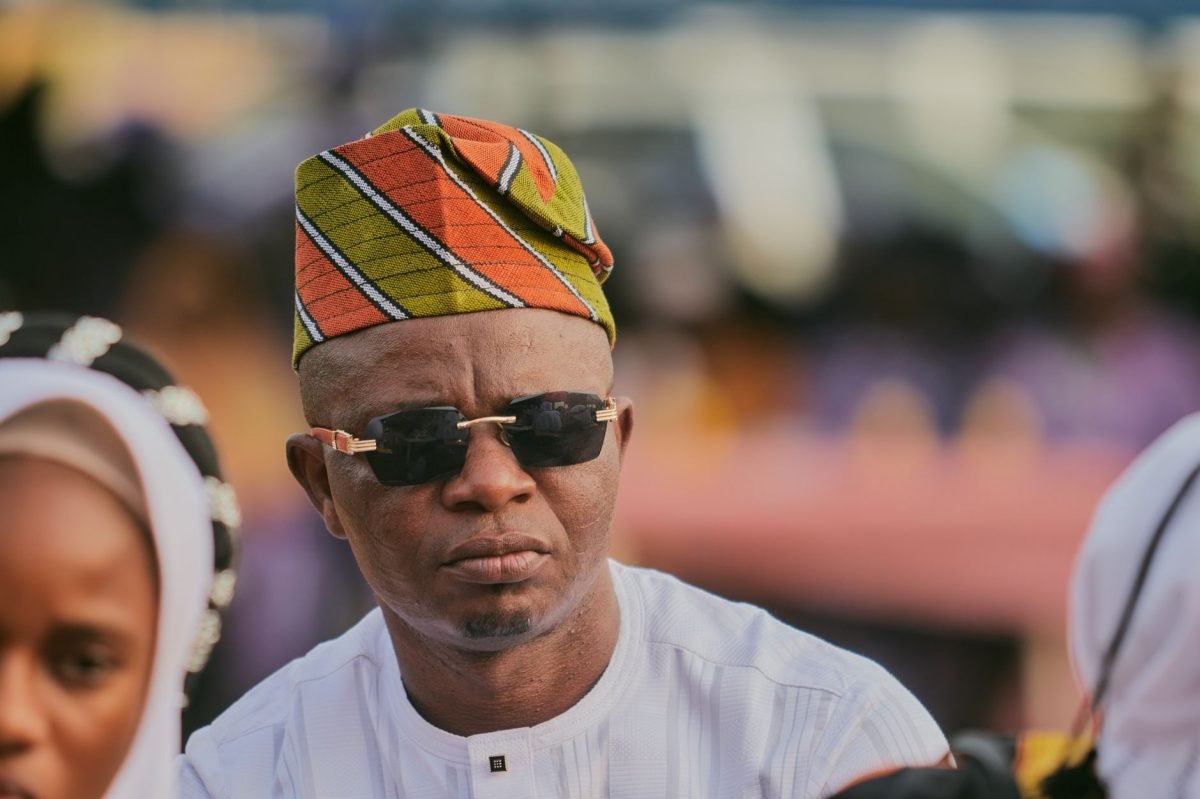
“"Our society cannot abandon its moral fabric for the sake of fleeting fashions," President Kagame said during the Kigali press conference, stressing that the dress code is a protective measure, not a punitive one.”
What We Don’t Know Yet: Gaps in the Policy’s Implementation
Several uncertainties cloud the future of Rwanda’s dress‑code enforcement. First, the exact language of the pending amendment remains unpublished; legal analysts at the University of Rwanda’s Faculty of Law note that the draft is still undergoing consultation with civil‑society groups. Second, the mechanisms for monitoring compliance are vague. While police officers have been instructed to issue warnings, there is no clear protocol for documenting infractions or appealing fines, raising concerns about arbitrary enforcement. Third, the impact on foreign investment has not been quantified. The Rwanda Investment Promotion Agency has not released an assessment of whether dress‑code concerns are influencing the decisions of multinational firms considering Kigali’s burgeoning tech hub. Finally, public opinion data is limited. A poll conducted by the independent firm AfroPulse in May surveyed 1,200 urban respondents, but the methodology and full results have not been made public, leaving analysts without a reliable gauge of nationwide sentiment. These unanswered questions mean that the policy’s real-world effects could differ markedly from the government’s stated intentions.
Key Takeaways
- Kagame defended a draft dress‑code amendment on June 12, linking modesty to Rwanda’s cultural identity.
- The proposed law could fine violators up to 200,000 Rwandan francs for "inappropriate" clothing.
- Tourism officials warn that perceived restrictions might deter the 1.7 million visitors Rwanda welcomed in 2023.
- Critics say enforcement may disproportionately affect women and lack clear appeal procedures.
What to Watch: Developments in the Next 24‑72 Hours
In the coming days, three developments will signal how the dress‑code controversy evolves. First, the parliamentary committee on legal affairs is scheduled to hold a closed‑door session on June 15 to debate the amendment’s wording; any amendments or postponements will be reported by local newswire Rwanda‑Info. Second, the Ministry of Tourism plans to issue guidance for hotel operators on handling dress‑code complaints from guests; the document, expected by June 16, could set a precedent for how the sector balances cultural expectations with visitor comfort. Third, a coalition of youth activists, calling themselves "Free Dress Rwanda," has announced a peaceful rally at the Kigali City Hall on June 17, aiming to petition the president for a review of the policy. Monitoring the turnout and any official response will reveal whether public pressure can sway the government’s stance. Observers should also keep an eye on social‑media metrics; a spike in hashtags like #RwandaDressCode and #KagameCulture may indicate growing grassroots mobilization.
Rwanda’s first national dress‑code law was introduced in 1999, targeting school uniforms; the Nile Post notes that the current debate revives a policy dormant for over two decades.
President Kagame’s remarks have reignited a conversation about who gets to define public decency in Rwanda. For citizens, the stakes involve everyday freedom and gender equity. For the tourism sector, the issue touches on the country’s brand as a welcoming, modern destination. As lawmakers, activists, and business leaders navigate the next few weeks, the outcome will reveal how Rwanda balances its deep‑rooted cultural values with the pressures of a globalized world. The story is still unfolding, and its resolution will likely set a precedent for other African nations wrestling with similar cultural‑economic crossroads.


