Israeli Forces Release Syrian Civilian After Two‑Day Detention in Quneitra

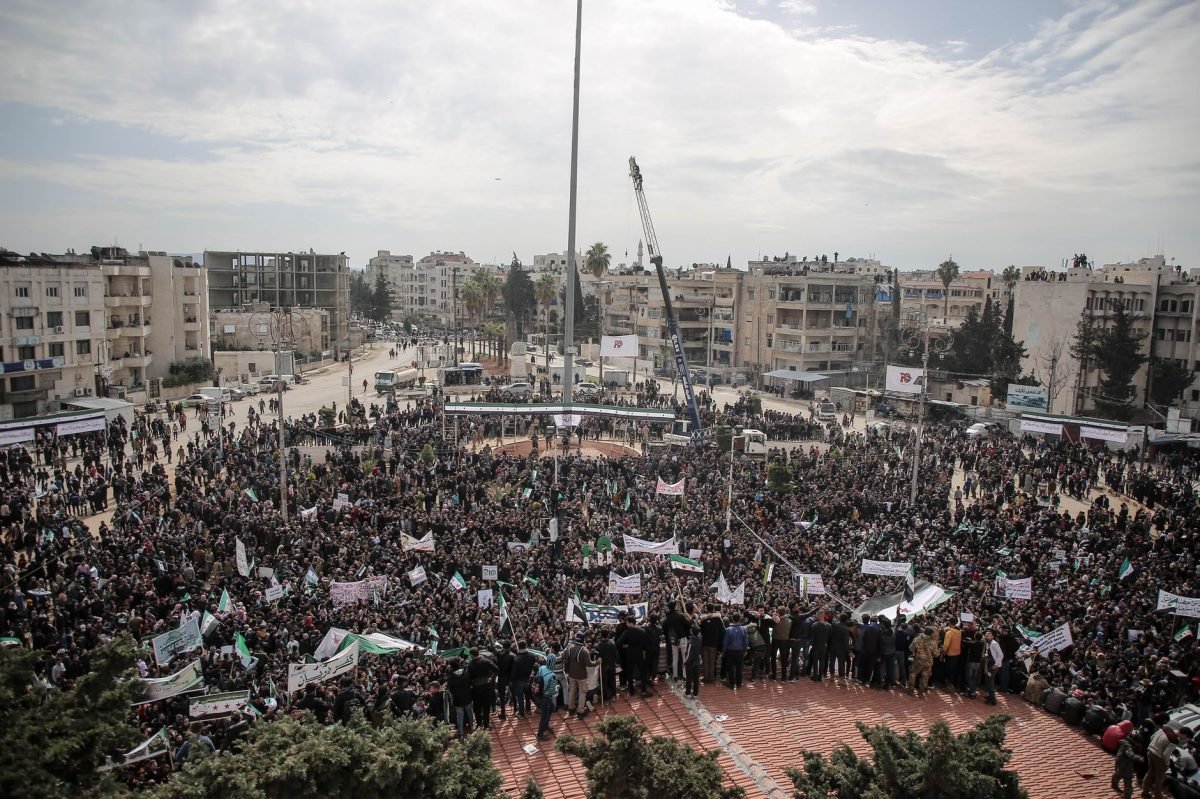
On Tuesday, Israeli troops released Ahmed al‑Hamwi, a 34‑year‑old Syrian civilian who had been detained during an incursion into the Quneitra governorate. The detention began on Oct. 22, when a mixed Israeli‑Armored unit entered the area near the Golan Heights. Al‑Hamwi’s release comes after diplomatic pressure from the United Nations and a quiet negotiation with Syrian officials. The episode underscores the fragile security dynamics that persist along the Israel‑Syria border.
What Happened: Timeline of the Quneitra Incursion
According to an account released by the Israeli Defense Forces (IDF) on Oct. 22, a reconnaissance patrol entered the Quneitra governorate at approximately 0600 GMT, citing intelligence about a suspected weapons cache near the village of Al‑Dimas. Within minutes, soldiers encountered a group of civilians returning from a market in the nearby town of Khan Eshieh. Ahmed al‑Hamwi, who was carrying a basket of vegetables, was stopped and taken to a temporary holding facility set up at a former school building. The IDF statement said the detainee was "subject to verification" to determine any involvement with hostile activities. Syrian state media, citing the Syrian Observatory for Human Rights (SOHR), confirmed that al‑Hamwi was held for 48 hours and that his family was denied contact. On Tuesday, Oct. 24, an Israeli spokesperson announced that the civilian had been released and would be escorted back across the border under the supervision of United Nations Disengagement Observer Force (UNDOF) personnel. A small concrete detail noted by UNDOF was that al‑Hamwi was handed a sealed envelope containing a written apology from the Israeli unit commander, a gesture that is rarely documented in such operations.
Why It Matters: Implications for Border Communities
The release of al‑Hamwi highlights a broader pattern of civilian entanglement in the Israel‑Syria frontier. First, it illustrates how routine security sweeps can quickly evolve into diplomatic incidents when non‑combatants are caught up in the action. For residents of Quneitra, the fear of arbitrary detention disrupts daily life, discourages movement, and hampers economic activity such as market trade. Second, the episode adds pressure on Israeli military planners to refine rules of engagement that differentiate between combatants and civilians. Human Rights Watch has repeatedly called for clearer protocols, arguing that ambiguous procedures erode trust among border populations. Third, the incident feeds into regional narratives used by the Syrian government to portray Israel as an occupying force, potentially fueling propaganda that justifies retaliation. For ordinary Syrians, each detention fuels a sense of vulnerability that can translate into increased support for armed groups promising protection. Finally, the involvement of UNDOF signals that multilateral monitoring mechanisms remain relevant; their presence may deter future arbitrary arrests, but only if both sides respect the observers’ findings. The balance between security concerns and humanitarian rights continues to be a delicate negotiation for the people who live in the shadow of the Golan Heights.

“Human Rights Watch spokesperson Sarah Glick told reporters that "the release of a civilian after a two‑day detention is a positive step, but it does not absolve the Israeli military of its responsibility to prevent civilian harm during cross‑border operations."”
What We Don’t Know Yet
Several critical questions remain unanswered. First, the exact reason why al‑Hamwi was singled out for detention has not been disclosed by the IDF; the official statement only references a "verification process" without detailing the criteria used. Second, it is unclear whether any evidence was found linking him to militant activity, or if the detention was purely precautionary. Third, the role of Syrian authorities in negotiating the release is opaque; Syrian officials have not publicly commented on the talks, leaving speculation about whether a ransom, prisoner exchange, or diplomatic concession was involved. Fourth, the long‑term impact on al‑Hamwi’s personal safety is uncertain—he may face harassment or retaliation from either side for his brief captivity. Finally, the incident raises questions about the future of UNDOF’s monitoring capacity: will the observers receive expanded authority to intervene in real time, or will they remain limited to post‑event reporting? Until these gaps are filled, analysts will continue to debate the strategic calculus behind the raid and its broader repercussions.
Key Takeaways
- Israeli troops detained 34‑year‑old Syrian civilian Ahmed al‑Hamwi during a Quneitra raid on Oct. 22.
- Al‑Hamwi was held for 48 hours before UNDOF‑supervised release on Oct. 24, amid diplomatic pressure.
- The incident underscores the risk of civilian harm in cross‑border security sweeps along the Golan Heights.
- Human Rights groups call for clearer IDF protocols to prevent arbitrary detentions of non‑combatants.
What to Watch in the Next 24‑72 Hours
Observers should monitor statements from the Israeli Ministry of Defense for any clarification on the criteria used during the Quneitra operation. A follow‑up briefing could reveal whether new guidelines are being drafted to protect civilians. At the same time, Syrian state media may release a narrative framing the incident as evidence of Israeli aggression; such messaging could influence public opinion and potentially trigger protests near the border. Internationally, the United Nations Office for the Coordination of Humanitarian Affairs (OCHA) is expected to issue a brief on the humanitarian implications of cross‑border raids, which could prompt a diplomatic note from the United States or the European Union. Finally, UNDOF’s daily patrol logs will likely indicate whether the force plans to increase its presence in the Quneitra sector, a move that could either de‑escalate tensions or be perceived as a constraint on Israeli security operations. Tracking these developments will help gauge whether the release of al‑Hamwi is an isolated goodwill gesture or the first sign of a shift in policy.
UN observers recorded that al‑Hamwi received a handwritten apology note from the Israeli unit commander, a detail confirmed by UNDOF field reports.
Ahmed al‑Hamwi’s release offers a brief moment of relief for a community accustomed to uncertainty at the border. While the episode does not resolve the deeper strategic disputes between Israel and Syria, it illustrates how individual lives are caught in the crossfire of geopolitical maneuvering. Continued vigilance and transparent dialogue will be essential to prevent similar incidents and to protect ordinary civilians who simply want to go about their daily routines.