UN Warns Famine Looms in Sudanu2019s Darfur and Kordofan as Drought and Conflict Intensify


The United Nationsu2019 Integrated Food Security Phase Classification (IPC) released on 8u202fOctober 2024 warns that more than 7.5u202fmillion Sudanese in Greater Darfur and Greater Kordofan are on the brink of famine. The assessment follows months of heavy fighting between the Sudanese Armed Forces and the Rapid Support Forces, which have disrupted agricultural cycles and market access. At the same time, an Elu202fNiu00f1ou2011driven drought has cut rainfall by nearly 30u202fpercent compared with the 1990u20112020 average, leaving fields parched and livestock dying. The convergence of conflict and climate stress threatens to push the region into Phaseu202f4, the IPCu2019s designation for famine.
What the UN Report Says About the Current Crisis
Account to UN News indicates that the IPCu2019s latest briefing was compiled by a joint team of UN agencies, the World Food Programme, and local NGOs between 1u202fSeptember and 5u202fOctober 2024. The team surveyed 1,200 households across 30 villages in the Darfur and Kordofan states, measuring food consumption, market prices, and health indicators. Their findings show that 30u202fpercent of households have exhausted their grain reserves and are relying on aid packages that cover less than half of daily caloric needs. In the town of Elu2011Fashir, the price of a kilogram of wheat flour rose from 1,200u202fSDG in July to 2,300u202fSDG in September, a 92u202fpercent increase that makes staple foods unaffordable for most families. The IPC placed 12 districts in Greater Darfur and 9 districts in Greater Kordofan at Phaseu202f4, meaning that at least 3u202fmillion people are experiencing acute food shortages, malnutrition rates are climbing, and mortality risk is elevated. The report also notes that humanitarian corridors established in early 2024 have been repeatedly blocked by active combat, limiting the flow of trucks carrying grain, medicine, and clean water.
Why the Famine Threat Matters for Sudanese Communities
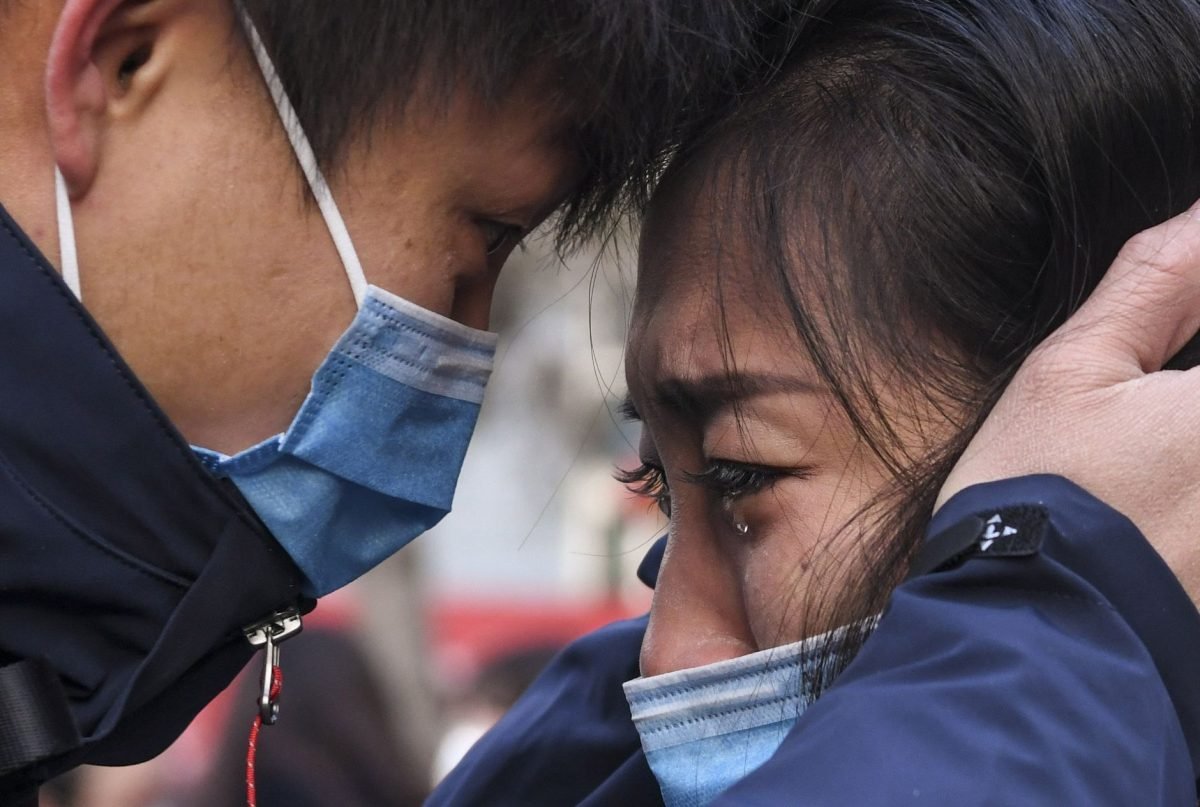
The looming famine does not only represent a statistical spike in malnutrition; it reshapes daily life for millions. First, loss of harvests forces families to sell livestock, their primary source of savings and credit, at prices that are half of market value. This erodes longu2011term resilience and pushes households into a debt trap with local moneyu2011lenders. Second, school attendance in affected districts has dropped by 45u202fpercent, according to the Ministry of Education, because children are needed to fetch water from distant wells or to work in informal markets to supplement dwindling family incomes. Third, health facilities are overwhelmed. The World Health Organization reports that clinics in Elu2011Geneina have seen a 60u202fpercent surge in severe acute malnutrition cases among children under five, straining limited therapeutic food supplies. Fourth, the displacement of 1.2u202fmillion people since March 2024 has crowded informal settlements, increasing the risk of disease outbreaks such as cholera and measles. Each of these factors compounds the humanitarian emergency, turning a food crisis into a multiu2011dimensional threat to health, education, and economic stability.

What We Still Donu2019t Know
Despite the detailed IPC assessment, several critical gaps remain. Satellite imagery shows that some remote farming areas have received unexpected rainfall in early October, but ground verification is lacking, leaving uncertainty about whether these microu2011climates could offset broader crop failures. The exact number of internally displaced persons (IDPs) is also fluid; the UN Office for the Coordination of Humanitarian Affairs estimates between 1.1 and 1.4u202fmillion, but registration systems have been disrupted by ongoing hostilities. Moreover, the durability of humanitarian corridors is uncertain; recent skirmishes near the White Nile have halted aid convoys for three consecutive days, but it is unclear when negotiations for safe passage will resume. Finally, the longu2011term impact of the 2024 Elu202fNiu00f1o on soil fertility in the Sudanese savanna has not been fully studied, raising questions about agricultural recovery in the postu2011crisis period.
What to Watch in the Next 24u201172 Hours
In the immediate term, observers should monitor three key developments. First, the Sudanese governmentu2019s next diplomatic briefing with the United Nations, scheduled for 12u202fOctober, will indicate whether a new ceasefire agreement can be secured to reopen the main humanitarian corridors linking Khartoum to