World Cotton Day Highlights Africa’s Low Share of Manufacturing Value from Its 15 Million Bales

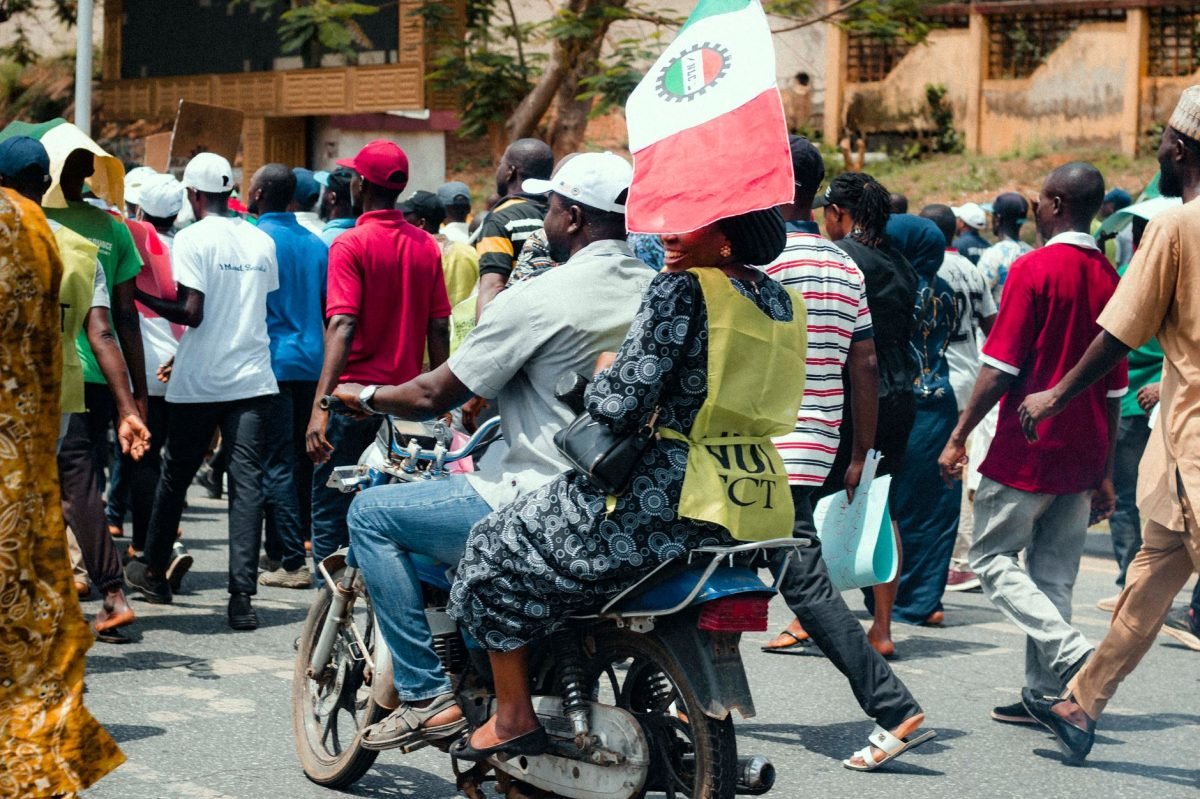
On World Cotton Day, October 7, the African cotton community marked the end of the 2023 harvest, which yielded roughly 15 million bales across 20 countries. The milestone has sparked a debate about how much of that harvest translates into local jobs, factories, and African‑owned revenue. Stakeholders argue that counting bales alone hides a deeper economic story that could reshape trade policies and rural livelihoods.
What Happened on World Cotton Day 2023
The International Cotton Advisory Committee (ICAC) reported that Africa produced an estimated 15 million bales in the 2022/23 season, representing about 30 percent of global output. The harvest was led by Burkina Faso (3.2 million bales), Mali (2.8 million), Benin (1.9 million), Tanzania (1.6 million) and Ethiopia (1.4 million), according to data released by the United Nations Food and Agriculture Organization (FAO) on September 28. On Oct. 7, the African Cotton Development Initiative (ACDI) organized a virtual round‑table that featured ministers from the five leading producers, representatives of the African Union’s Trade Committee, and senior officials from the World Bank. During the event, participants highlighted that while the continent supplies a third of the world’s cotton, less than 5 percent of the global cotton‑fabric trade originates from African factories. A small but concrete detail emerged: Burkina Faso’s cotton ginner, Cotton Vale, processed 210,000 tonnes of lint in the last quarter, yet only 12 percent of that lint was sold to domestic textile mills, the rest flowing to Europe and Asia. Account to allAfrica notes that the discussion shifted from raw output to the “value‑added” that each bale creates for African economies.
Why It Matters for Jobs and Growth
First, the lack of downstream manufacturing means that most of the profit from cotton ends up outside the continent. The World Bank estimates that for every US$1 of raw cotton exported, only US$0.15 stays in Africa as wages or tax revenue. This low retention rate translates into fewer employment opportunities for rural workers who already face seasonal unemployment. In Mali, for example, the cotton sector employs roughly 1.2 million people during peak season, but only 180,000 retain jobs once the lint is shipped abroad, according to a 2023 Ministry of Agriculture report. Second, limited processing capacity stifles the development of a domestic textile industry that could supply African apparel brands and reduce reliance on imported fabrics. Ghana’s “Made in Ghana” clothing initiative, launched in 2022, has struggled to source locally spun yarn, forcing designers to import from China at higher costs. Third, the disparity affects trade balances. Countries like Tanzania earn an average of US$300 million annually from raw cotton exports, yet import finished garments worth twice that amount, creating a persistent trade deficit. If African‑owned value chains were expanded, the same bales could generate higher tax bases, better infrastructure investment, and more resilient rural economies.


“Dr. Aisha B. Ganda, director of the African Cotton Development Initiative, told the World Cotton Day round‑table that ‘the continent’s cotton bounty is a missed opportunity unless we can spin, weave and finish more of it locally, turning bales into jobs and tax revenue for our farmers.’”
What We Don’t Know Yet
Despite the vivid picture painted by ministers and analysts, several data gaps remain. First, reliable statistics on informal cotton processing—small‑scale ginneries that operate outside official registries—are scarce, making it difficult to gauge the true scale of domestic value creation. Second, the impact of climate variability on future yields is still uncertain; while the 2022/23 season was relatively stable, projections from the International Research Institute for Climate and Society suggest a 10‑15 percent yield drop in the next decade for West Africa under current warming trends. Third, the effectiveness of recent policy incentives, such as Ethiopia’s 2023 cotton‑processing tax break, has not been evaluated beyond the first six months, leaving analysts unsure whether the measures will attract the promised foreign direct investment. Finally, consumer demand for “Made in Africa” textiles is growing, yet market research on willingness to pay a premium remains limited, meaning manufacturers cannot accurately forecast returns on new factories. These unknowns hinder precise policy design and investment decisions.
Key Takeaways
- Africa produced roughly 15 million cotton bales in 2022/23, about 30 percent of global output (FAO).
- Less than 5 percent of global cotton‑fabric trade originates from African factories, limiting local revenue.
- For every US$1 of raw cotton exported, only US$0.15 stays in Africa as wages or taxes (World Bank).
- Data gaps on informal processing and climate impacts hinder precise policy planning.
- Upcoming AU framework, EU grant, and World Bank webcast could signal the first steps toward a stronger African cotton value chain.
What to Watch in the Next 24‑72 Hours
In the immediate aftermath of World Cotton Day, three developments will signal whether the call for greater African‑owned value will translate into action. 1) The African Union’s Trade Committee is scheduled to release a draft “Cotton Value‑Chain Development Framework” on Oct. 9, outlining subsidies for ginneries and tax incentives for textile parks. Observers will watch the language around public‑private partnerships, especially any mention of Chinese or Turkish investors who have previously funded African textile projects. 2) The European Union’s Delegation to Burkina Faso is expected to announce a €45 million grant for a pilot yarn‑spinning facility in Koudougou on Oct. 10. The grant’s conditionalities—such as local hiring quotas—will reveal how external donors are aligning with the continent’s own value‑capture goals. 3) On Oct. 11, the World Bank will host a webcast on “Financing Cotton Processing in East Africa.” The attendance list, particularly the presence of regional development banks, will indicate whether financing pipelines are opening. Monitoring these events will help gauge whether rhetoric is moving toward concrete investment and regulatory change.
Burkina Faso’s cotton sector contributed 2.5 percent of the country’s GDP in 2022, according to World Bank data.
World Cotton Day has shone a spotlight on the paradox of Africa’s abundant raw cotton and its limited capacity to turn that bounty into finished goods. By exposing the gap between harvest volumes and local manufacturing, the conversation is pushing policymakers, investors, and farmers toward a more integrated value chain. If the proposed incentives and financing mechanisms materialize, the continent could begin to retain more profit, create jobs, and reduce trade deficits. The next few weeks will reveal whether the momentum translates into concrete projects that benefit the people who grow the cotton each year.