Israeli Druze Lawmaker Ayoob Kara Urges Seizure of Syria’s Sweida in Heated Knesset Speech

During a March 15 session of the Knesset, Ayoob Kara, a veteran Druze politician and former communications minister, demanded that Israel move to seize the Syrian city of Sweida. The statement came amid rising tensions along Israel’s northern border. Kara’s appeal highlights the fraught relationship between Israel, Syria, and the Druze community that straddles both nations. Observers say the remarks could reshape diplomatic calculations in a volatile region.
What Happened: Kara’s Public Call for Sweida
On March 15, 2024, Ayoob Kara took the floor of the Israeli Knesset and delivered a forceful plea for the Israeli Defense Forces to take control of Sweida, a city of roughly 300,000 people in southern Syria. Kara, who represents the Druze minority and served as minister of communications from 2015‑2019, argued that the city’s historic Druze population should be protected under Israeli sovereignty. He cited recent clashes between Syrian government forces and rebel groups near the city as a justification for pre‑emptive action. According to an account to Ynet, Kara raised his hand, pointed to a map of the Golan Heights, and declared, “Sweida is not just a Syrian town; it is part of the Druze homeland that Israel must safeguard.” The speech was recorded and quickly spread on social media, prompting immediate reactions from opposition lawmakers, security analysts, and Druze community leaders. The Knesset’s Foreign Affairs Committee scheduled a follow‑up hearing for March 22 to examine the proposal’s legal and strategic implications.
Why It Matters: Regional Security and Druze Identity
Kara’s demand reverberates beyond a single parliamentary remark; it touches on three interlinked dynamics shaping the Middle East. First, the proposal challenges the fragile cease‑fire that has held between Israel and Syria since the 1973 Yom Kippur War. Any Israeli move toward Sweida could provoke a direct military response from Damascus, potentially dragging the United States and Iran into a broader confrontation. Second, the call underscores the complex identity of the Druze, a religious minority that lives in Israel, Syria, Lebanon, and Jordan. In Israel, Druze citizens serve in the army and enjoy full civic rights, yet many maintain kinship ties across the border. Kara’s appeal frames Israeli control as a protective measure for Druze cultural heritage, a narrative that resonates with some Druze but alienates others who fear entanglement in Israeli politics. Third, the statement may influence Israel’s broader strategic calculus regarding the Golan Heights. Since annexing the region in 1981, Israel has sought to solidify its hold on surrounding territories. Adding Sweida would extend Israel’s buffer zone, but it would also require a significant military commitment and could strain diplomatic ties with the United Nations, which still regards the Golan as occupied Syrian land. For ordinary Israelis, the debate could affect security budgets, conscription policies, and the political capital of parties that rely on minority support. For Syrians, especially those in Sweida, the prospect of Israeli occupation raises concerns about displacement, loss of property, and the erosion of Syrian sovereignty.

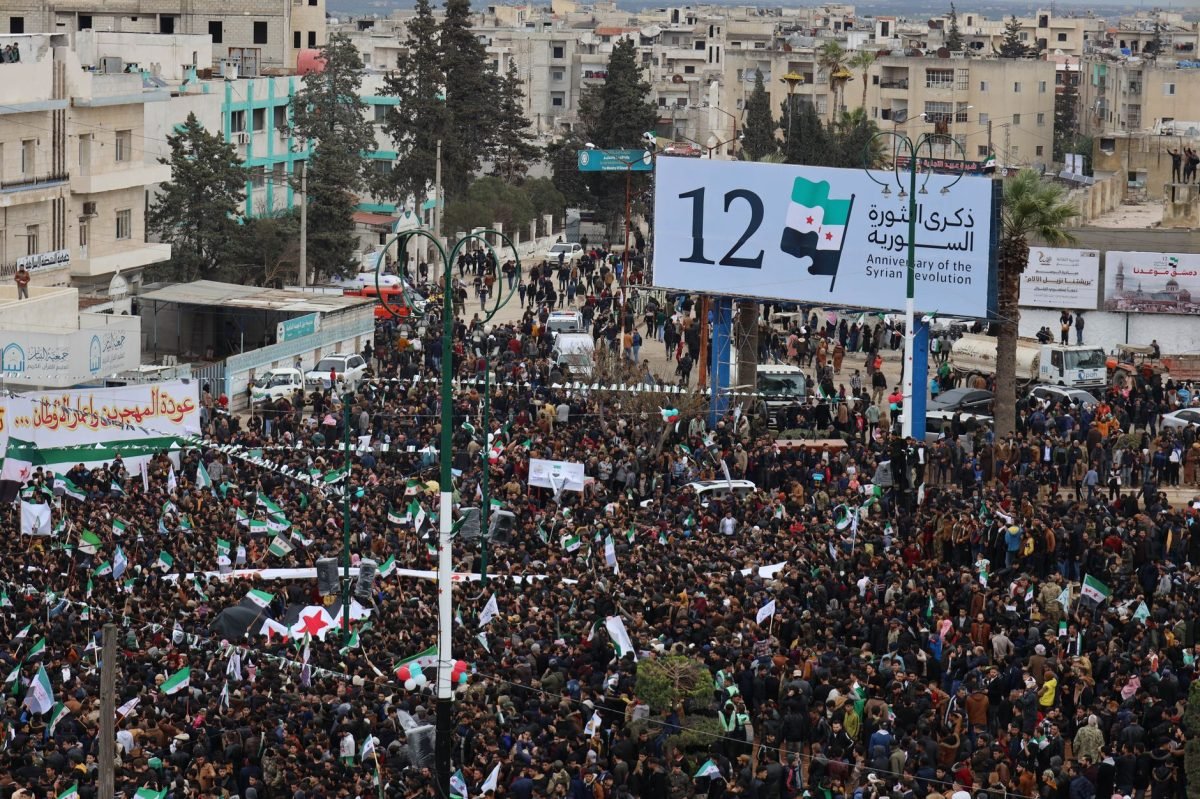
“In a televised interview the day after his speech, Kara told Channel 12, “We cannot stand by while our Druze brothers in Sweida face existential threats; Israel must act decisively to protect them.””
What We Don’t Know Yet: Gaps in Information and Uncertainties
While Kara’s remarks have been widely reported, several critical details remain unclear. First, there is no official Israeli government response confirming whether the proposal will be pursued or merely remains a rhetorical device. The Ministry of Defense has declined comment, leaving analysts to speculate on the feasibility of a military operation. Second, the exact nature of any potential coordination with Syrian opposition groups in Sweida is unknown; no rebel faction has publicly welcomed Israeli involvement. Third, the reaction of the Druze religious leadership, particularly the spiritual authority of the Druze community in Israel, has been muted, with only limited statements expressing cautious support. Finally, the international community’s stance is uncertain. The United Nations has not yet issued a statement, but past resolutions on the Golan suggest a likely condemnation if Israel were to move forward. These unknowns make it difficult to predict the trajectory of the proposal and its impact on regional stability.
Key Takeaways
- Ayoob Kara, former communications minister, called for Israeli seizure of Sweida during a Knesset session on March 15, 2024.
- The proposal threatens to destabilize the long‑standing Israel‑Syria cease‑fire and could draw regional powers into conflict.
- Sweida’s Druze population of about 300,000 is central to Kara’s argument that Israel must protect its cultural kin.
- No official Israeli response has been given; the Knesset Foreign Affairs Committee hearing on March 22 will be pivotal.
- International reaction, especially from the UN and the United States, remains uncertain and will shape any potential action.
What to Watch: Near‑Term Developments Over the Next 72 Hours
In the coming days, several indicators will reveal how seriously Israel is considering Kara’s proposal. The Knesset’s Foreign Affairs Committee hearing on March 22 will be the first formal venue where security officials may outline operational scenarios or dismiss the idea outright. Watch for any briefing documents released by the IDF that reference “Sweida” or “southern Syrian operations.” Additionally, statements from senior officials in the Israeli Ministry of Foreign Affairs could signal diplomatic positioning, especially if they reference negotiations with the United States or Russia, both of whom have stakes in Syrian affairs. On the Syrian side, monitor any statements from President Bashar al‑Assad’s office or the Syrian Ministry of Defense; a rapid condemnation could precede a heightened military alert along the border. Finally, social media activity among Druze communities in Israel and Syria may reveal grassroots sentiment, which could pressure political leaders either toward or away from escalation. The next 24‑48 hours will be crucial in determining whether Kara’s speech remains a political flourish or becomes the catalyst for a new front in the Syrian conflict.
The Druze community in Israel has the highest per‑capita rate of military service among minority groups, according to the Israel Ministry of Defense (2023 report).
Kara’s bold demand has thrust the city of Sweida into the spotlight, forcing policymakers to weigh cultural solidarity against geopolitical risk. While the proposal may resonate with segments of the Druze population, it also threatens to upset a delicate regional balance that has held for decades. As Israel, Syria, and their allies grapple with the implications, ordinary citizens on both sides of the border await clarity on whether a new conflict will erupt or if diplomatic channels will prevail. The next few days will determine whether this call remains rhetoric or becomes a catalyst for change.