US and Australia suspend consular services in Brazil over security concerns, effective Friday

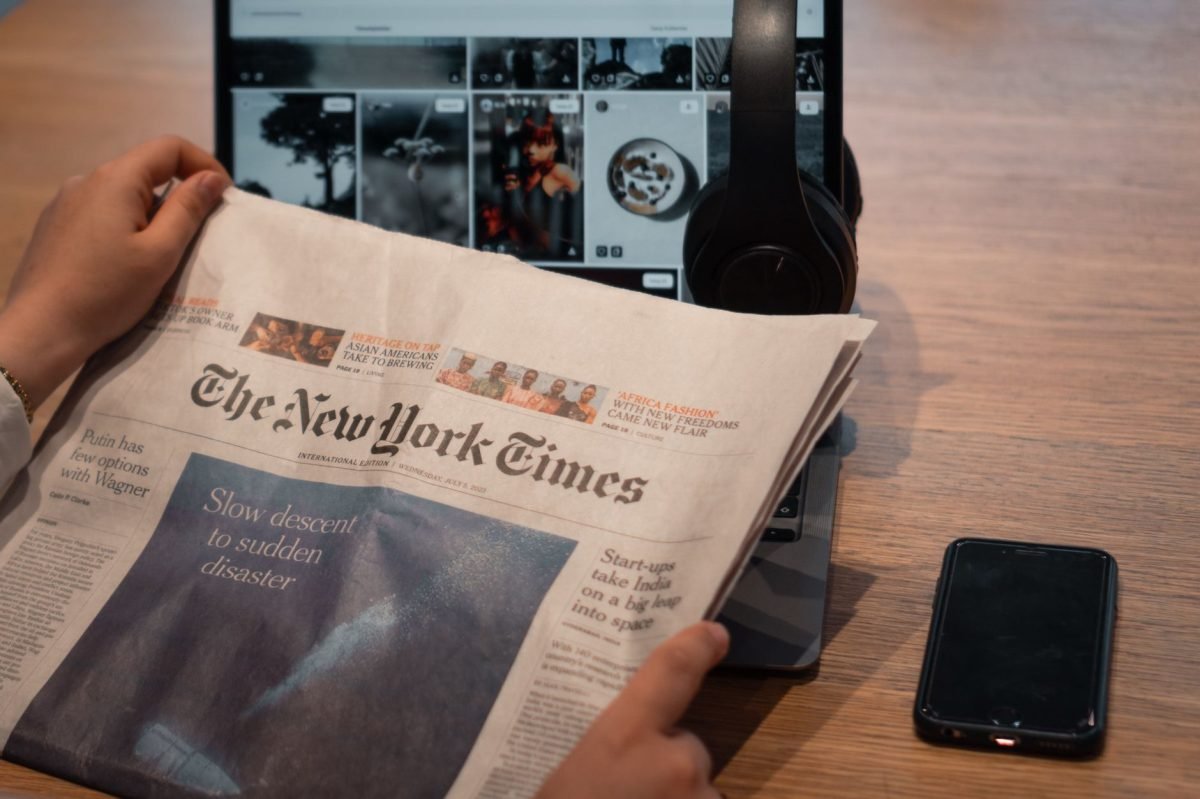
On Friday, October 2, the United States and Australia announced the suspension of all public services at their embassies and consulates in Brazil. The decision was communicated through official statements posted on the respective foreign‑ ministry websites. Both governments said the move was driven by “security concerns” that could endanger diplomatic personnel. The abrupt closure affects visa applicants, American and Australian citizens, and businesses that rely on diplomatic channels.
What happened: suspension of embassy and consular operations
According to a press release from the U.S. Department of State, the United States will cease all consular services in Brazil beginning at 00:01 local time on Friday, October 2. The notice listed the embassy in Brasília, consulates in São Paulo, Rio de Janeiro, Recife, and Porto Alegre as fully non‑operational. Australian officials issued a matching statement through the Australian Department of Foreign Affairs and Trade (DFAT), confirming that its embassy in Brasília and its consular posts in São Paulo, Rio de Janeiro and Belo Horizonte would also suspend services. The statements did not disclose the specific nature of the threats, only that they were “serious enough to warrant immediate protective measures.” A small detail revealed in the U.S. release was that the suspension would be reviewed after a “30‑day security assessment.” Both countries urged their citizens in Brazil to register with the respective embassy hotlines and to limit travel to high‑risk areas until further notice. The Brazilian Ministry of Foreign Affairs (Itamaraty) expressed regret but said it was cooperating with the foreign missions to ensure the safety of diplomatic staff.
Why it matters: implications for travelers, businesses, and diplomacy
The suspension reverberates across several layers of everyday life. First, American and Australian tourists and expatriates lose access to emergency assistance, passport renewals, and notarial services. For the estimated 12,000 U.S. citizens and 5,000 Australians living or traveling in Brazil, the closure means they must rely on third‑party consulates in neighboring countries or private firms, which can delay critical support during medical emergencies or legal troubles. Second, the halt disrupts commercial visas and trade facilitation. Companies that depend on timely visa issuance for engineers, consultants, and executives now face project delays, especially in the oil‑and‑gas sector where U.S. firms have a strong presence in the offshore pre‑salt fields. A senior analyst at Bloomberg noted that “any interruption in diplomatic channels can ripple through supply chains, increasing costs for both sides.” Third, the diplomatic fallout signals a deterioration in security cooperation. Both Washington and Canberra have long coordinated anti‑drug and cyber‑crime initiatives with Brazilian authorities. The suspension may strain those joint operations, potentially slowing joint investigations into organized crime networks that operate across the Amazon basin. Finally, the move could influence public perception in Brazil, where recent polling by Datafolha shows a slight dip in confidence toward foreign governments after a series of diplomatic incidents earlier this year.


“John K. Miller, senior adviser at the U.S. Embassy in Brasília, told reporters that the decision was taken after a “thorough risk assessment” and that staff safety remains the highest priority, even though the exact threat details cannot be disclosed for operational security.”
What we don’t know yet: unanswered questions
The statements from Washington and Canberra are deliberately vague, leaving several critical questions unanswered. First, the precise nature of the security threat remains undisclosed. Is it a credible physical attack, cyber intrusion targeting embassy networks, or a coordinated campaign against diplomatic staff? Second, the timeline for resumption is unclear. While the U.S. release mentions a 30‑day assessment, no deadline has been set, and Australia has not provided a similar timeframe. Third, the role of Brazilian authorities in the assessment is ambiguous. Itamaraty has pledged cooperation, but it has not indicated whether it identified the threat or contributed intelligence. Fourth, the impact on ongoing diplomatic negotiations, such as the pending trade talks on agricultural exports, is uncertain. Will Brazil seek alternative venues or postpone discussions? Finally, the broader regional implications are unknown. Neighboring countries with U.S. or Australian missions, such as Argentina and Uruguay, may adjust their security postures, but no official comments have been made. Until these gaps are filled, businesses, travelers, and policymakers must operate in an environment of heightened uncertainty.
Key Takeaways
- The U.S. and Australia stopped all consular services in Brazil on Oct 2, citing security threats to staff.
- American and Australian citizens in Brazil now lack direct embassy assistance for emergencies or visa needs.
- Commercial visas and trade facilitation are delayed, potentially affecting projects worth billions in the energy sector.
- The exact nature of the threat, timeline for reopening, and Brazil’s role in the assessment remain unclear.
What to watch: upcoming developments and diplomatic signals
In the next 24‑72 hours, several indicators will reveal how the situation evolves. Watch for a follow‑up communiqué from the U.S. Department of State; a detailed security assessment report would likely be released if the threat is neutralized. Australian officials may issue a briefing to the Parliament’s Foreign Affairs Committee, which could shed light on the diplomatic calculus. Brazilian security agencies, particularly the Federal Police, are expected to hold a press conference about any investigations linked to the threat. Another key development will be the response from multinational corporations operating in Brazil; statements from firms like ExxonMobil and Boeing could signal whether they anticipate prolonged disruptions. Finally, monitor social media channels of the embassies for real‑time alerts to citizens, as well as any travel advisories issued by the U.S. State Department’s travel website and Australia’s Smart Traveller portal. These signals will help gauge whether the suspension is a short‑term precaution or the prelude to a longer diplomatic strain.
The U.S. embassy in Brasília is the largest American diplomatic mission in South America, employing over 300 local staff, according to the U.S. Department of State.
The suspension of consular services by the United States and Australia underscores how quickly security concerns can reshape diplomatic engagement. While the immediate impact is felt by travelers and businesses that rely on embassy assistance, the longer‑term effects on bilateral cooperation remain to be seen. As authorities assess the threat and negotiate a path forward, citizens and companies must stay informed through official channels. The situation serves as a reminder that diplomatic presence is both a bridge and a potential flashpoint in international relations.


