Kenyan Public University Lecturers Strike After Rejecting 2025‑2029 CBA Counter‑Offer

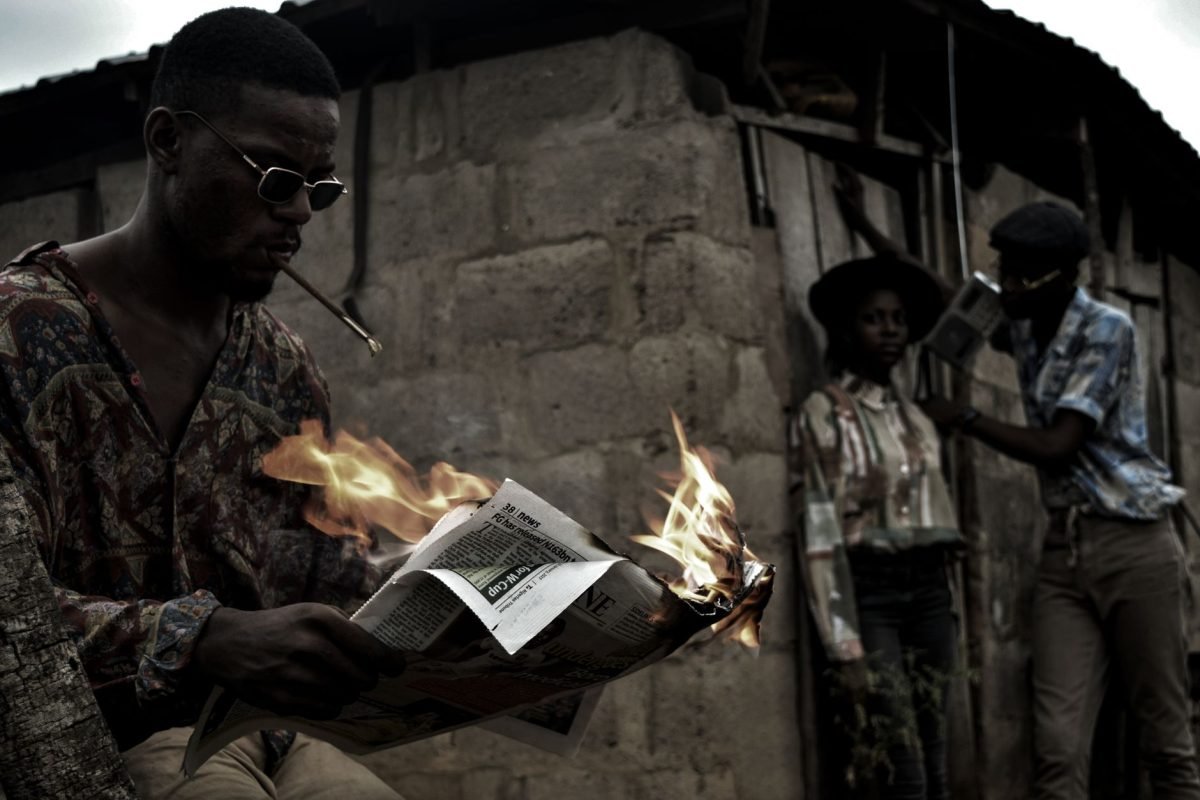
On Monday, lecturers at the University of Nairobi and staff at ten other public institutions set down their tools after the Kenya Universities Staff Union (KUSU) rejected a counter‑offer on the 2025‑2029 collective bargaining agreement. The walkout began at 8 a.m, with faculty members posting notices on campus notice‑boards and social media. The dispute threatens to suspend classes for thousands of students across the country. With the academic calendar already compressed, the strike could push back graduation dates and affect scholarship disbursements.
What Happened: The Strike Takes Shape Across Kenya’s Public Universities
The strike was triggered after the Inter‑Public Universities Councils Consultation (IPUCC) presented a revised collective bargaining agreement (CBA) on Friday, 2024‑10‑25. The document proposed a 3.5 % salary increase over the four‑year period, a reduction in overtime pay, and new performance‑linked bonuses that many faculty members deemed unrealistic. According to a statement released by the Kenya Universities Staff Union (KUSU) and reported by Capital FM, the union’s executive committee voted 78‑12 to reject the counter‑offer during a closed‑door meeting in Nairobi. By the following morning, lecturers at the University of Nairobi, Kenyatta University, Egerton University, Moi University, Maseno University, and eight other campuses had organized coordinated walkouts. A small but telling detail emerged from the University of Nairobi campus: the department of Chemistry posted a handwritten sign reading “No pay, no work – we stand together.” The strike now involves roughly 4,200 academic staff and 2,900 support workers, according to KUSU’s latest headcount. The Ministry of Education has urged both parties to return to negotiations, but has not set a deadline for resumption of talks.
Why It Matters: Ripple Effects on Students, Research, and the Economy
First, the immediate impact falls on students. With lectures halted, more than 120,000 undergraduates risk missing critical coursework for the semester. Many students rely on university tuition fees to qualify for government loans; prolonged disruption could jeopardize their eligibility for the 2025 loan cycle. Second, research projects funded by international donors are at stake. The Kenya Medical Research Institute (KEMRI) collaborates with university labs on malaria vaccine trials; any pause in lab work could delay data collection and affect grant renewals. Third, the strike underscores a broader pattern of public‑sector labor unrest in Kenya, echoing the teachers’ strike of 2022 and the recent health‑worker walkout in Kisumu. These disputes strain the national budget, as the government must balance wage demands against fiscal targets set by the International Monetary Fund. Finally, the private sector may feel indirect pressure. Employers that depend on university graduates for internships and entry‑level positions may need to adjust hiring timelines, potentially slowing the pipeline of skilled labor into Kenya’s growing tech and manufacturing hubs.


“Union chairperson Prof. James Mwangi told reporters at the University of Nairobi that ‘the proposed CBA fails to reflect the rising cost of living and the increased workload on our staff; we cannot accept a deal that undermines our professional dignity.’”
What We Don’t Know Yet: Gaps in the Negotiation Timeline and Stakeholder Positions
While the strike is underway, several critical questions remain unanswered. The Ministry of Education has not disclosed whether it will issue a formal ultimatum or propose a new mediation framework. It is also unclear how the IPUCC will adjust its offer after the union’s rejection; the council has hinted at a “re‑evaluation” but provided no concrete figures. The role of external actors, such as the Teachers Service Commission and the Kenya Employers Federation, has not been publicly clarified, leaving speculation about possible coalition pressures. Moreover, the financial impact on university budgets is still being calculated; the University of Nairobi’s finance office declined to share projected losses, citing confidentiality. Finally, the response of student bodies is fragmented: while some student unions have expressed solidarity with staff, others worry about delayed graduations and have threatened to organize their own protests if the strike extends beyond two weeks.
Key Takeaways
- Lecturers and staff at 12 public universities began a coordinated strike on Monday after rejecting a 3.5 % salary increase proposal.
- The walkout affects over 7,000 workers and threatens to halt classes for more than 120,000 students nationwide.
- Research projects funded by international donors, especially in health and agriculture, risk delays if the strike continues.
- The dispute reflects a wider trend of public‑sector labor unrest that could pressure Kenya’s fiscal commitments to the IMF.
What to Watch: Developments Likely to Shape the Next 24‑72 Hours
In the coming days, observers should monitor three key developments. First, any official statement from the Ministry of Education regarding a deadline for resuming talks will signal the government’s willingness to intervene. A press release is expected by Thursday, according to sources within the ministry. Second, the IPUCC’s next meeting, scheduled for Friday at the Kenya Institute of Administration, could produce a revised CBA draft; insiders say the council may consider a 5 % cumulative raise to appease the union. Third, student union actions are likely to surface. The Kenya National Union of Students (KNUS) has announced a rally at the University of Nairobi on Saturday, demanding a swift resolution. The outcome of that rally could pressure both parties to accelerate negotiations. International donors, such as the World Bank, have also expressed concern about research disruptions, and a diplomatic note from the UK’s Department for International Development may arrive, urging a quick settlement to protect ongoing health‑research collaborations.
The University of Nairobi’s Chemistry department has a 25‑year tradition of posting hand‑written protest signs during labor disputes, a practice documented by the campus archives in 1999.
As Kenya’s academic community grapples with stalled lectures and uncertain research timelines, the human dimension remains clear: teachers worry about their families’ livelihoods, students fear delayed graduations, and administrators scramble to keep campuses operational. A resolution will require compromise, but the stakes for the nation’s education system and broader economy are high. All eyes remain on Nairobi, where the next round of talks could determine whether the strike ends soon or stretches into the new year.