India and EU set to sign free trade agreement on Dec 16, ahead of Modi's Europe tour

On December 16, India and the European Union will sign a comprehensive free trade agreement in Brussels. The ceremony will be attended by Prime Minister Narendra Modi and EU trade chief Valdis Dombrovskis. The deal caps a year‑long negotiation that began in 2022. It is expected to reshape the flow of goods and services between the two blocs.
What Happened: Signing of the India‑EU Free Trade Agreement
The signing ceremony is scheduled for 10:00 a.m. CET on December 16 at the European Commission headquarters in Brussels. Prime Minister Narendra Modi will travel to Belgium after stops in Canada and the United States, making it his third European engagement this month. The agreement, announced by the Indian Ministry of Commerce and Industry and the European Commission, will eliminate tariffs on roughly 90 % of Indian exports to the EU, covering sectors such as textiles, pharmaceuticals, and information technology services. In return, the EU will gain greater market access for its automotive parts, machinery, and renewable‑energy equipment. A small but notable provision grants Indian dairy producers preferential rates on butter and cheese, a concession that was hard‑won in the final round of talks. Account to The Economic Times reported that the pact also includes a chapter on sustainable development, obligating both parties to uphold labour standards and environmental safeguards. The signing will be witnessed by senior officials from both sides, including EU Trade Commissioner Valdis Dombrovskis and Indian Commerce Minister Piyush Goyal.
Why It Matters: Economic and Strategic Implications
The India‑EU FTA marks the first comprehensive trade pact the EU has concluded with a major Asian economy since its agreement with South Korea in 2011. Economically, the deal could lift bilateral trade from the current €100 billion to as much as €150 billion within five years, according to a forecast by the Confederation of Indian Industry. For Indian exporters, the removal of tariffs on 90 % of goods means lower costs for reaching European consumers, potentially creating millions of jobs in manufacturing and services. For European firms, especially in the automotive and renewable‑energy sectors, the agreement opens a market of over 1.4 billion consumers, encouraging investment in Indian production facilities.
Strategically, the pact signals a deepening of Indo‑European ties at a time when both sides are seeking alternatives to China‑centric supply chains. By aligning standards on digital trade, intellectual property, and green technologies, the agreement creates a framework for cooperation on next‑generation industries. This alignment may also influence future negotiations with other partners, as the EU pushes its "open strategic autonomy" agenda.
For ordinary citizens, the impact will be felt at the checkout counter and in the workplace. Lower tariffs could translate into cheaper Indian apparel and electronics on European shelves, while European cars and solar panels may become more affordable in Indian cities. Moreover, the sustainability chapter could spur greener production methods, benefiting consumers concerned about climate change.
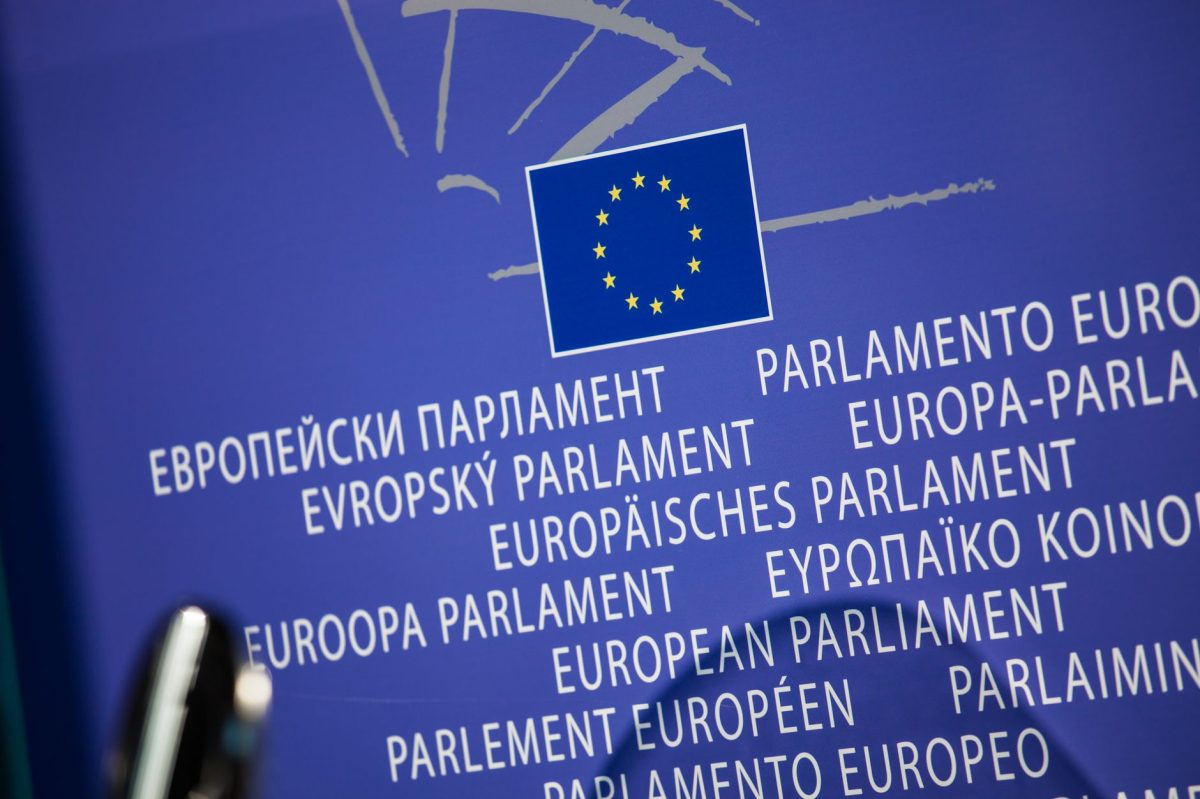

“European Commission trade chief Valdis Dombrovskis said the agreement "creates a new engine for growth, linking two of the world's largest economies on the basis of fair, rules‑based trade and shared sustainability goals," during a press briefing in Brussels on December 1.”
What We Don't Know Yet
Despite the celebratory tone, several critical details remain unresolved. First, the timetable for ratification by the European Parliament is unclear; the body typically takes several months to review trade agreements, and any objections could delay implementation. Second, the exact mechanisms for dispute resolution, especially concerning the new sustainability chapter, have not been disclosed, leaving businesses uncertain about enforcement. Third, while tariff cuts are promised, the schedule for phasing out duties on sensitive sectors such as dairy and steel is still under negotiation, and could affect price stability for consumers. Fourth, the impact on small and medium‑sized enterprises (SMEs) is ambiguous; the agreement includes a technical assistance fund, but its size and eligibility criteria have not been published. Finally, political opposition in both regions—particularly from EU member states wary of market opening for Indian textiles—could introduce amendments that alter the original terms. These gaps mean that the full economic benefit may take years to materialise, and stakeholders are watching closely for further clarification.
Key Takeaways
- India and the EU will sign a free trade agreement on December 16 in Brussels.
- The pact eliminates tariffs on about 90 % of Indian exports, boosting sectors like textiles and pharma.
- Both sides commit to a sustainability chapter, aligning standards on labour and environment.
- Ratification by the European Parliament and detailed tariff schedules remain pending.
What to Watch in the Coming Days
In the next 24‑72 hours, three developments will shape the trajectory of the India‑EU FTA. First, the European Parliament's Trade Committee is slated to hold a hearing with Indian Commerce Minister Piyush Goyal; any contentious questions raised there could signal upcoming hurdles in the ratification process. Second, the United States will announce its own trade posture toward India during Modi's Washington visit, and analysts will compare the U.S. approach with the EU's to gauge whether India is pivoting toward a broader multilateral strategy. Third, the Indian Ministry of Finance is expected to release a detailed schedule for tariff reductions, which will be scrutinised by industry groups for potential gaps. Observers should also monitor statements from labour unions in both regions, as their reaction to the sustainability provisions could influence political support. The outcome of these events will determine whether the agreement moves swiftly from ink to implementation or stalls amid procedural delays.
India is the EU’s 10th largest trading partner, accounting for 2 % of EU imports in 2023, according to Eurostat.
The signing of the India‑EU free trade agreement marks a milestone in global commerce, linking two massive economies with a shared vision for growth and sustainability. For businesses, it offers new market opportunities; for consumers, it may mean lower prices and greener products. Yet the path from signature to real‑world impact will depend on parliamentary approvals, detailed tariff schedules, and the ability of both sides to resolve lingering disputes. As the world watches, the coming weeks will reveal whether this pact can deliver on its ambitious promises.