France to Deploy Military Forces to Protect Saudi Oil Port, Macron Announces

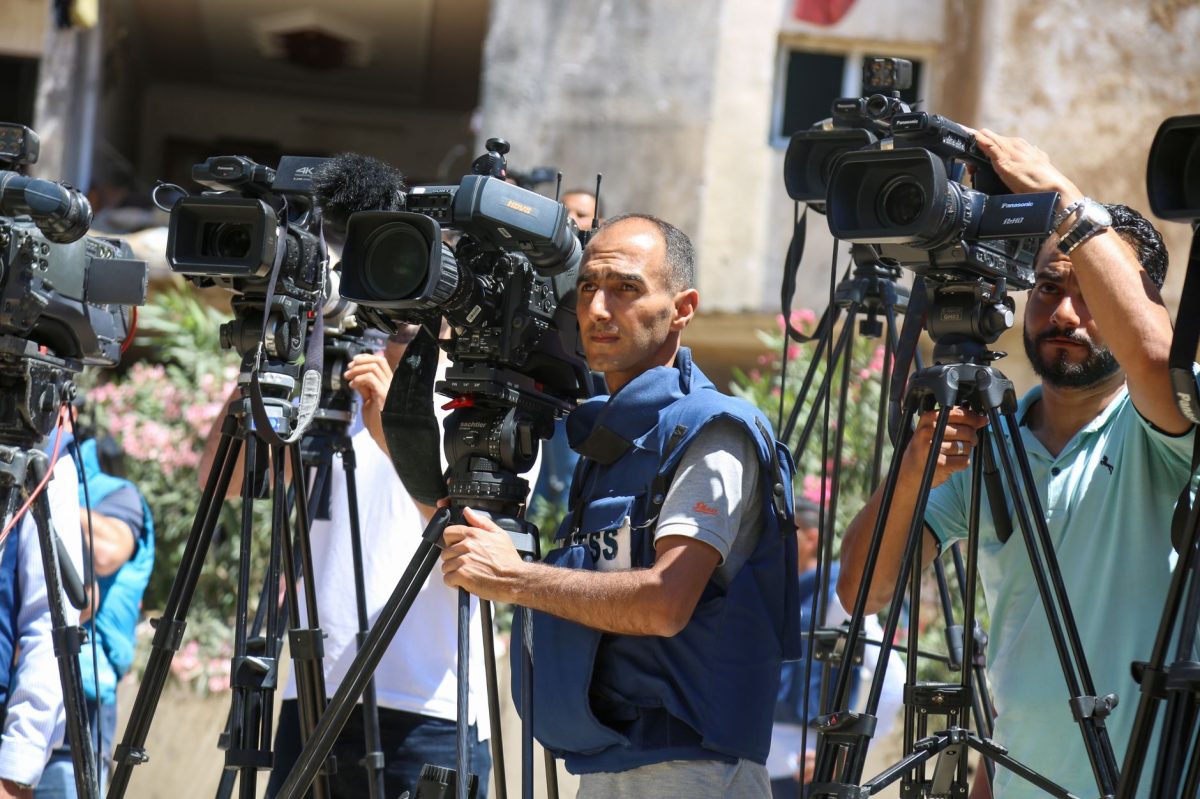
On Thursday, French President Emmanuel Macron announced that France would dispatch military means to safeguard the Dammam oil port in Saudi Arabia. The decision follows escalating security concerns in the Gulf region, where maritime attacks on commercial shipping have increased. This move marks the first time a European power has pledged direct military support to a Saudi infrastructure asset. The announcement has implications for global oil supply chains and regional stability.
What Happened
The announcement was made during a press briefing at the Élysée Palace, where President Macron explained that France would deploy a contingent of naval vessels equipped with advanced surveillance and defensive systems to the Dammam port. The French Navy is expected to operate in coordination with Saudi Arabian security forces, providing both deterrence and rapid response capabilities. According to the French Ministry of Defence, the deployment will include frigates and support ships capable of anti‑aircraft and anti‑submarine operations. The decision comes after a series of incidents in the Gulf, including a suspected drone attack on a commercial tanker in 2023. The French government cited the need to protect international shipping lanes and ensure uninterrupted oil exports from Saudi Arabia. Sources close to the Ministry of Defence said the operation will begin in the next 48 hours, pending final logistical arrangements. The French Foreign Ministry confirmed that the mission will be limited to defensive postures and will not involve offensive operations. The deployment is part of a broader French strategy to strengthen ties with Gulf allies amid increasing geopolitical competition in the region.
Why It Matters
The protection of the Dammam port is a critical safeguard for global oil supply, as the port handles more than 20% of Saudi Arabia’s crude exports. A disruption could trigger price volatility in international markets, affecting fuel costs worldwide. For ordinary citizens in Europe and North America, higher gasoline prices translate into higher living costs and could slow economic growth. The deployment also signals a shift in regional security dynamics, potentially encouraging other Gulf states to seek similar support from Western powers. This could alter the balance of power in the Persian Gulf, prompting both defensive realignments and increased military spending. Moreover, the French involvement may influence the ongoing negotiations between Saudi Arabia and Iran over maritime security agreements, adding a new layer of complexity. The decision underscores the growing recognition among Western governments that protecting critical infrastructure in volatile regions is essential for maintaining global economic stability.

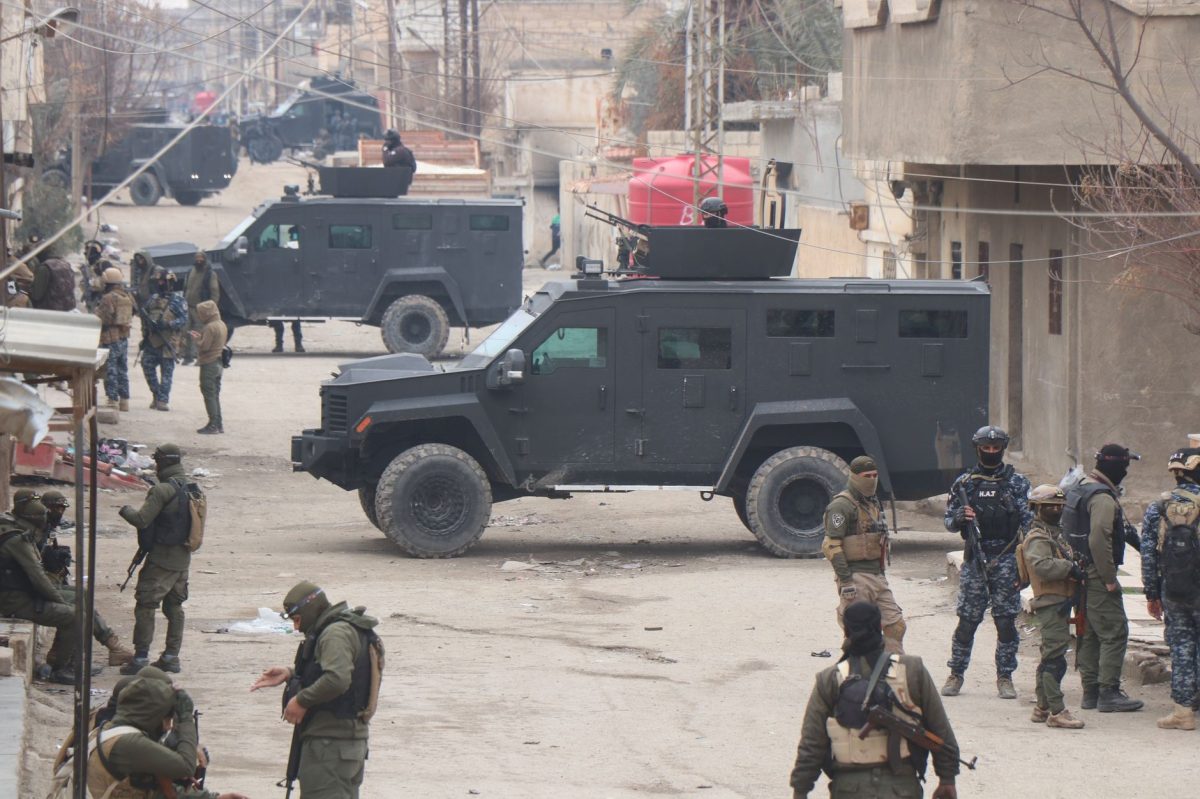
“French Defence Minister Sébastien Lecornu told reporters in Paris that the deployment "will enhance the security of a vital maritime hub and reinforce France’s commitment to international stability," adding that the operation would remain strictly defensive.”
What We Don’t Know Yet
While the French government has outlined a high‑level plan, the exact composition of the deployed force remains undisclosed. Details about the number of vessels, personnel, and the precise defensive systems to be used are still classified. The timeline for the arrival of the fleet at Dammam is uncertain; logistical challenges such as refueling, crew rotations, and coordination with Saudi security forces could delay the deployment. It is also unclear how the presence of French naval assets will affect existing agreements between Saudi Arabia and other Gulf Cooperation Council (GCC) members. The potential for diplomatic friction with neighboring countries that view foreign military presence as a provocation is another unknown. Finally, the long‑term strategy for the deployment—whether it will be a temporary measure or a permanent stationing of forces—has not been specified, leaving room for speculation about France’s future role in Gulf security.
Key Takeaways
- France will send naval forces to protect the Dammam oil port in Saudi Arabia.
- Deployment focuses on defensive operations, not offensive engagements.
- The move aims to secure a key node in global oil supply chains.
- It reflects growing Western involvement in Gulf security dynamics.
- Details on force composition and timeline remain undisclosed.
What to Watch
In the next 24 to 72 hours, observers should monitor the arrival of the first French frigate at the Dammam port, as well as any statements from the French Navy regarding operational readiness. The French Ministry of Foreign Affairs is expected to release a detailed briefing on coordination protocols with Saudi Arabian forces. Key individuals to watch include Admiral Jean‑Baptiste Lemaire, commander of the French Atlantic Fleet, and Saudi Minister of Interior Khalid Al‑Ghamdi, who will likely discuss joint security measures. Realistic outcomes include the successful deployment of a small naval escort group, increased patrols in the Gulf, and potential diplomatic outreach to neighboring Gulf states to mitigate concerns about foreign military presence. Analysts will also track any changes in maritime traffic patterns and the response of commercial shipping companies to the new security arrangement.
The port of Dammam is the world’s 6th largest oil export terminal, handling 20% of Saudi crude exports – BP Statistical Review 2023.
The French decision to station naval forces at the Dammam port underscores a broader trend of Western engagement in Gulf security. While the immediate objective is to safeguard a critical oil export hub, the move carries wider implications for regional stability and global energy markets. As the deployment unfolds, stakeholders will need to balance deterrence with diplomatic sensitivity to avoid escalating tensions. The coming days will reveal whether this initiative strengthens international maritime security or prompts new geopolitical calculations in the Persian Gulf. Ultimately, the decision reflects a pragmatic approach to protecting vital economic assets amid uncertain security environments.