Moroccan Pro-Palestine Groups Protest Israeli Embassy Upgrade, Call It ‘Blatant Affront’

On Sept 21, 2026, Morocco’s Ministry of Foreign Affairs announced the upgrade of Israel’s diplomatic representation in Rabat to a full embassy with ambassador‑level status. The announcement was made during a televised press briefing at 09:00 GMT and was accompanied by the appointment of a new Israeli ambassador. The decision has ignited immediate street protests and a wave of criticism from pro‑Palestine organisations across the country. Officials say the upgrade follows the 2020 Abraham Accords, but opponents argue it undermines Morocco’s historic support for the Palestinian cause.
What Happened: Embassy Upgrade and Immediate Reactions
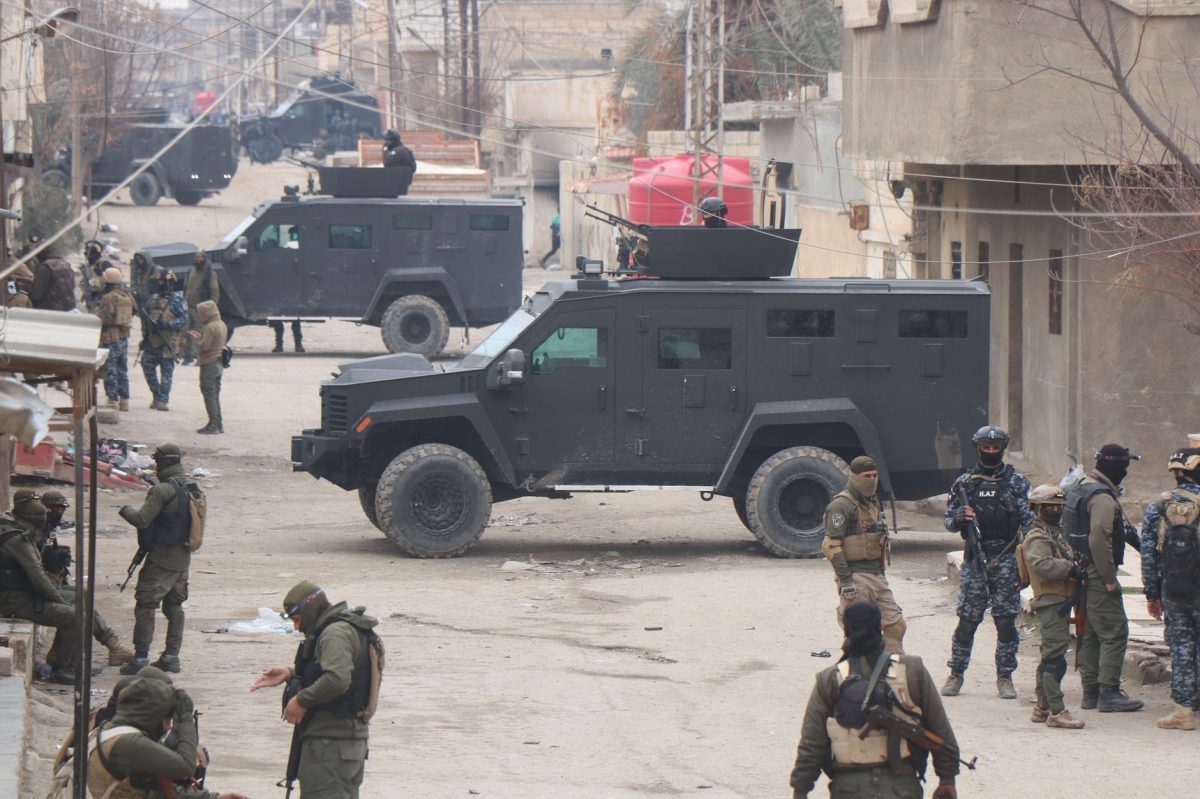
According to a report by Reuters, the Moroccan Ministry of Foreign Affairs issued a formal decree on Sept 21, 2026, officially upgrading Israel’s liaison office to an embassy in Rabat. The decree, published on the ministry’s website, listed the new ambassador‑designate, Eli Cohen, and set a date of Oct 1 for the embassy’s inauguration ceremony. Within hours, activists in Rabat’s Avenue Mohammed V began a sit‑in, waving Palestinian flags and chanting slogans such as “No to normalization”. In Casablanca, a separate rally gathered over 300 participants outside the Ministry’s regional office, demanding the reversal of the decision. Police deployed water cannons and tear gas to disperse the crowds, resulting in at least ten arrests, according to statements from the Moroccan National Police. The protests were coordinated through social‑media platforms, especially Facebook groups linked to the Union of Moroccan Youth for Palestine. The Ministry defended the move, citing “strategic partnership” and economic cooperation as key motivations. The upgrade also coincides with a scheduled visit by Israeli trade delegations later this month, a detail noted by the Moroccan Chamber of Commerce.
Why It Matters: Regional Diplomacy and Domestic Tensions
The embassy upgrade is part of a broader trend of normalization between Israel and Arab states that began with the United Arab Emirates in 2020 and expanded to Bahrain, Sudan and Morocco. For Morocco, the decision is tied to a $1 billion economic aid package from the United States, which includes incentives for technology transfer and tourism development. However, the move has exposed a fault line within Moroccan society: while the government frames the upgrade as a step toward economic modernization, many citizens view it as a betrayal of the Arab League’s long‑standing support for Palestinian statehood.
The protests illustrate how foreign policy decisions can quickly become flashpoints for domestic unrest. Young Moroccans, many of whom are unemployed, see the embassy upgrade as a diversion of resources from pressing social issues such as housing and education. The unrest has also strained relations between the monarchy and civil society groups, prompting calls for greater transparency in diplomatic negotiations.
Internationally, the upgrade may influence Morocco’s standing in the Arab world. Countries like Algeria and Tunisia, which have taken a hard line against normalization, have publicly condemned the decision, warning that it could weaken regional solidarity. Conversely, Israel sees the embassy as a validation of its diplomatic outreach, potentially encouraging further economic deals with North African markets. The episode underscores how a single diplomatic gesture can ripple through trade, security cooperation, and public opinion across the Middle East and North Africa.

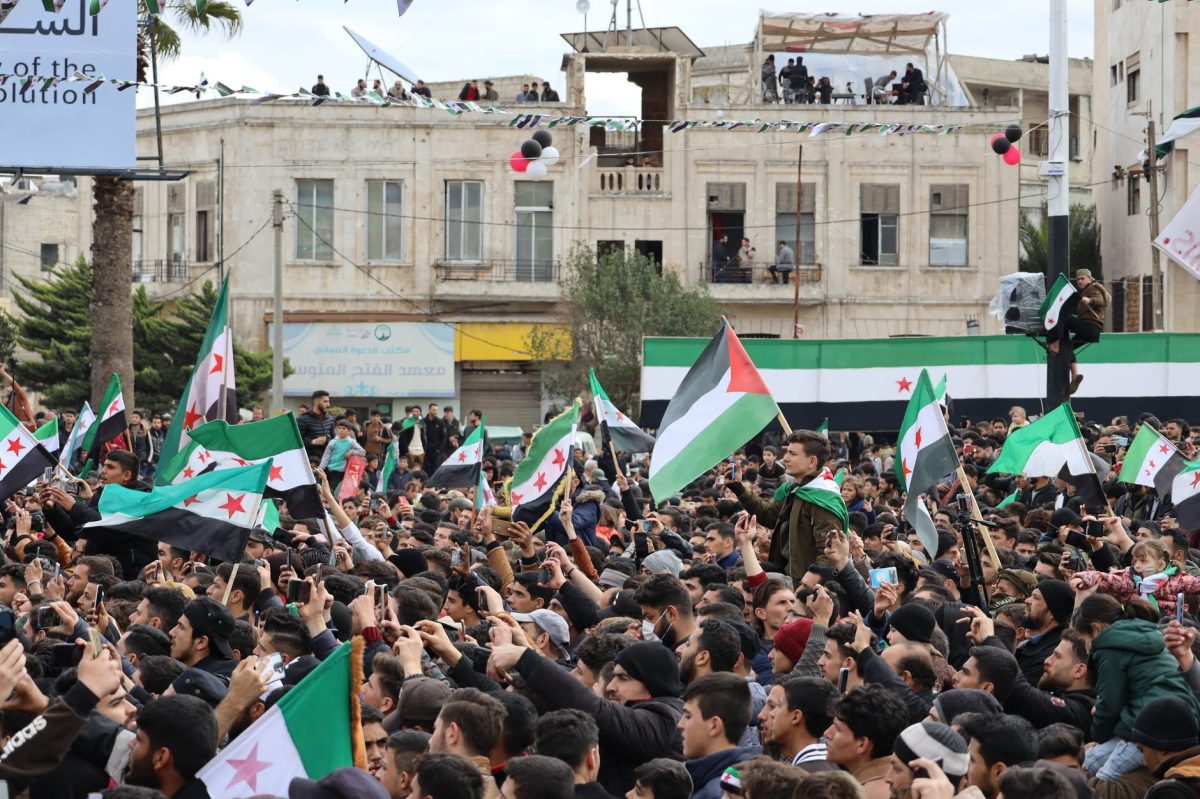
“Human‑rights activist Youssef Benchekroun told reporters at the Rabat rally that the embassy upgrade is a betrayal of Morocco’s historic solidarity with the Palestinian people and a dangerous signal to authoritarian regimes across the region.”
What We Don’t Know Yet
Several key questions remain unanswered as the situation unfolds. First, the Moroccan government has not disclosed the full terms of the economic package tied to the embassy upgrade, leaving analysts uncertain about the concrete benefits for Moroccan industries. Second, it is unclear whether the Israeli ambassador will be granted full diplomatic immunity and privileges, or if any restrictions will be imposed by the host country. Third, the extent of foreign funding for the protests has not been verified; some officials have hinted at possible external influence but have provided no evidence. Additionally, the impact on Morocco’s relationship with the Palestinian Authority is still being negotiated behind closed doors, with no public statements from either side. Finally, the response of regional allies—particularly Algeria, which shares a contentious border with Morocco—could shape future diplomatic moves, but official channels have remained silent so far.
Key Takeaways
- Morocco upgraded Israel’s diplomatic mission to a full embassy on Sept 21, 2026, appointing Eli Cohen as ambassador.
- Pro‑Palestine protests erupted in Rabat and Casablanca, leading to at least ten arrests and police use of tear gas.
- The upgrade is linked to a $1 billion U.S. aid package and broader normalization trends across the Arab world.
- Critics argue the move betrays Morocco’s historic support for Palestine and may fuel domestic unrest.
- Unclear details remain on economic benefits, diplomatic privileges, and regional reactions, especially from Algeria.
What to Watch
In the next 24‑72 hours, observers should monitor three developments. First, the Moroccan Ministry of Foreign Affairs is expected to issue a detailed briefing on the economic agreement linked to the embassy upgrade; the content of that briefing will reveal whether tangible projects, such as joint technology parks or tourism initiatives, are imminent. Second, security forces are likely to increase patrols around the embassy and major protest sites, potentially leading to further clashes; any new arrests or legal actions will signal how the state plans to manage dissent. Third, diplomatic communications from the United States, the European Union and the Arab League will surface, offering clues about international pressure on Morocco to either proceed with or roll back the upgrade. Watching statements from Israel’s Foreign Ministry, especially regarding the scheduled trade delegation visit in early October, will also indicate whether the partnership is moving beyond symbolic gestures toward substantive cooperation.
Morocco became the first Arab nation to normalize relations with Israel in December 2020 under the Abraham Accords, according to the Ministry of Foreign Affairs.
The embassy upgrade has thrust Morocco into a delicate balancing act between economic ambition and popular sentiment. Protesters see the decision as a betrayal, while the government frames it as a pragmatic step toward growth. As the nation watches the upcoming diplomatic ceremonies and the response of security forces, ordinary Moroccans will feel the impact in their daily lives—whether through heightened security measures, potential new jobs in tourism, or a deepening sense of political disenfranchisement. The coming weeks will reveal whether the controversy can be contained or will reshape Morocco’s foreign‑policy trajectory.