Expose: The Real Reason Behind Iran’s Military Warning of U.S. Attack

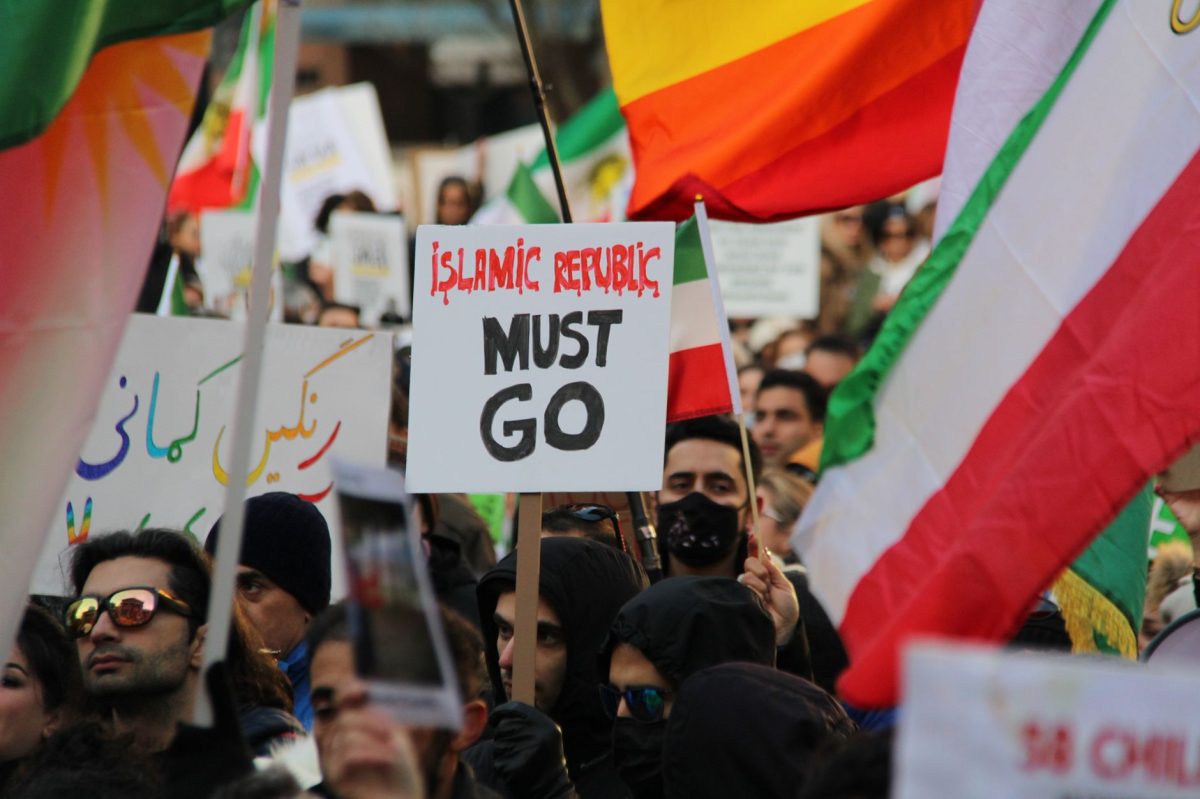
On September 18, Tehran’s Defense Ministry issued a stark warning that the United States was preparing a new military operation near the Strait of Hormuz. The statement highlighted a surge in U.S. naval presence in the area, a region critical for global oil shipments. This development escalates an already volatile security environment in the Middle East and could have far‑reaching economic repercussions. The timing of the warning coincides with a series of U.S. sanctions against Iran and a recent spike in Iranian drone activity, underscoring the urgency of the situation.
What Happened
The Iranian Defense Ministry, through spokesperson Major General Mohammad Reza Jafarzadeh, released an official statement on its website stating that the United States had "mobilized a substantial naval task force" in the Gulf of Oman. The report cites that U.S. aircraft carriers and destroyers were detected within 15 nautical miles east of the Strait of Hormuz, a distance that places them well within range of Iranian coastal defenses. The ministry added that Iranian forces had conducted a series of drills along the northern coast of the Persian Gulf to prepare for a possible confrontation. This announcement follows a week of intensified U.S. sanctions against Iran’s oil industry and a series of Iranian drone sorties over the Persian Gulf. The statement was posted at 10:00 a.m. local time and was later shared on the ministry’s official Twitter account.nnThe source of the information is the Defense Ministry’s official communications office, which confirmed that the data were drawn from satellite imagery and maritime radar feeds. A small but concrete detail noted in the release was that a U.S. Navy destroyer, the USS Chester, had been observed conducting a “routine patrol” near the Iranian coast, a maneuver the ministry described as a “signal of intent.”
Why It Matters
The warning signals a potential escalation that could disrupt one of the world’s most vital oil transit corridors. The Strait of Hormuz handles roughly 20% of global oil exports; any conflict there could drive prices higher and strain economies dependent on cheap energy. For ordinary people, the impact would be felt through higher fuel costs, inflation, and increased insurance premiums for shipping.nnSecond, the statement reflects a broader pattern of strategic posturing between the U.S. and Iran. Over the past year, the U.S. has intensified sanctions and conducted military exercises near Iranian borders. Iran, in turn, has increased its drone and missile capabilities, positioning itself as a counterbalance to U.S. influence. This tit‑for‑tat dynamic raises the likelihood of miscalculation, especially as both sides prepare for potential rapid escalation.nnThird, regional allies such as Saudi Arabia, the United Arab Emirates, and Israel could be drawn into a larger conflict. These countries rely on the Gulf’s stability for security and economic prosperity. A flare‑up could force them to mobilize their own forces, further destabilizing the region. The ripple effects would extend to global supply chains, especially for critical minerals and electronics that depend on stable shipping routes.

“"We are prepared to defend our sovereignty and protect the interests of our citizens," General Mohammad Bagheri told reporters in a televised briefing. "The United States must understand that any aggression will be met with decisive action."”
What We Don’t Know Yet
Key questions remain about the authenticity and intent behind the U.S. naval movements. Is the U.S. truly planning a direct attack, or is it conducting routine patrols to deter Iranian aggression? Satellite data show increased U.S. activity, but the exact nature of the operations—whether they are training exercises or preparatory maneuvers for an offensive—has not been clarified by the Pentagon.nnAnother uncertainty surrounds Iran’s own capabilities. While the ministry claims readiness, independent assessments suggest that Iran’s naval and air defense systems are still developing. The effectiveness of Iranian missile batteries against a modern U.S. fleet is contested, and there is no definitive evidence that Iran can sustain a prolonged engagement.nnFinally, the political calculus within both governments is unclear. President Biden’s administration has repeatedly emphasized diplomacy, yet the Defense Department’s statements hint at a more aggressive posture. Likewise, Iran’s leadership may be using the warning to rally domestic support amid economic hardships, but the extent to which this is genuine or propagandistic remains to be seen.nnThese gaps create a fog of uncertainty that complicates diplomatic efforts and heightens the risk of misinterpretation on both sides.
What to Watch
In the next 24 to 72 hours, analysts should monitor several developments:nn1. U.S. Department of Defense releases – The Pentagon is expected to issue a briefing on its naval deployments. The content of that briefing will clarify whether the task force is on a combat‑ready posture or merely a deterrent.n2. Satellite imagery updates – Commercial satellite firms such as Planet Labs and governmental agencies like the U.S. National Reconnaissance Office will likely release new images of the Gulf of Oman. These images could confirm or refute claims of increased U.S. presence.n3. UN Security Council meetings – The Security Council is scheduled to convene to discuss regional security. Statements from member states, especially Russia and China, could signal international pressure or support.n4. Iranian military exercises – If Iran conducts new drills, the scale and type of equipment used will provide insight into its readiness.n5. Statements from key leaders – President Biden, General Mark Milley, and Iranian President Ebrahim Raisi are likely to issue comments. Their wording will indicate the likelihood of escalation or de‑escalation.nnMonitoring these indicators will help analysts assess whether the situation is moving toward conflict or toward diplomatic resolution.