Iran Launches Nationwide Mobilisation Drive, 2 Million Citizens Urged to Join IRGC

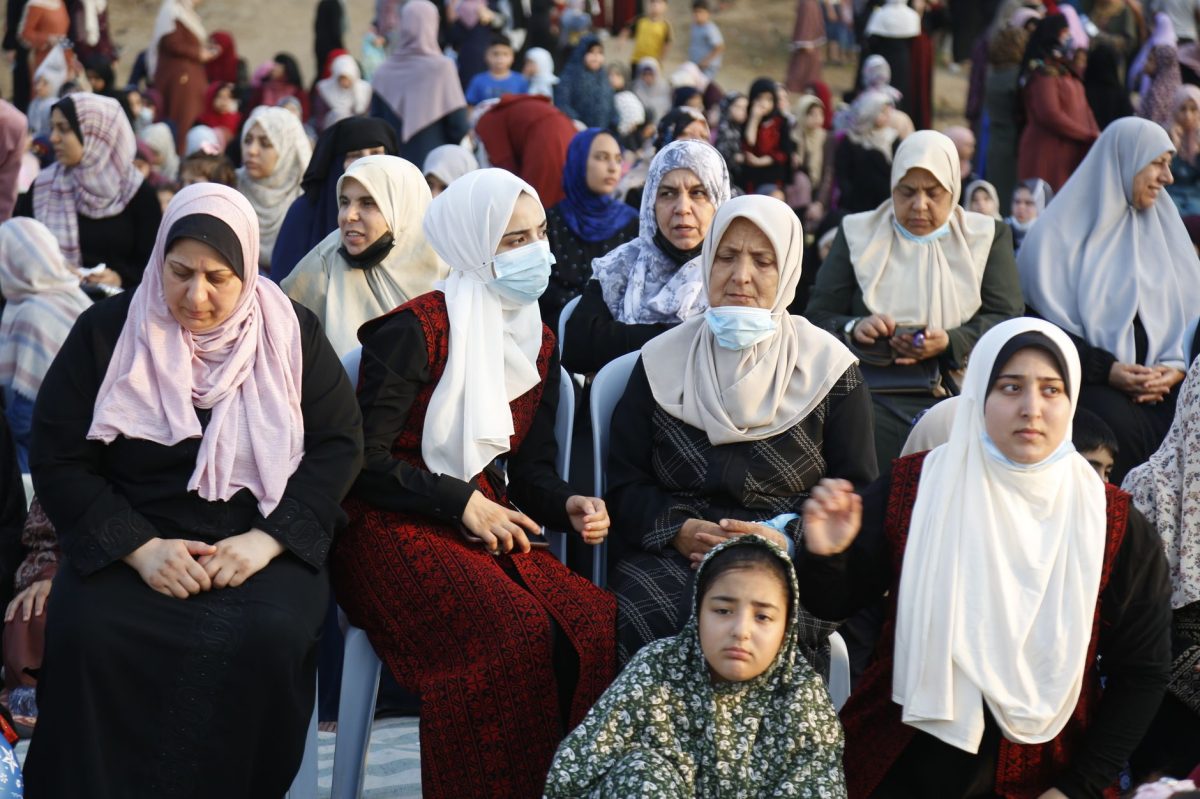
On March 12, the Iranian Revolutionary Guard Corps opened registration for 2 million volunteers at Tehran’s Azadi Square. The move, announced by Maj. Gen. Mohammad Reza Rahimi, marks the first nationwide mobilisation effort since 1979. It signals a strategic shift from defensive posturing to proactive militarisation. The campaign could reshape domestic security and international diplomacy.
What Happened: The Launch of Iran’s Mass Mobilisation Drive
On Thursday, March 12, Tehran’s Azadi Square filled with crowds of men, women, and children holding signs that read "Iran for the People" as the Revolutionary Guard Corps (IRGC) unveiled its National Mobilisation Campaign. Maj. Gen. Mohammad Reza Rahimi, the IRGC’s chief spokesman, addressed the crowd from the podium, announcing a call for 2 million volunteers aged 18‑35 to register within 30 days. The announcement came after a midnight meeting of the IRGC’s Central Command, which decided to expand the reserve forces in response to escalating U.S. sanctions and a perceived threat of a new conflict. The first batch of 10,000 volunteers will be trained at the Golestan training base near Mashhad, where they will undergo a six‑week basic military curriculum. According to an account to IRIB, the IRGC will provide free training, uniforms, and a stipend of 5 000 rials per month for the first three months. The initiative is part of a broader strategy to reinforce the regime’s legitimacy by rallying the populace around a shared defence narrative.
Why It Matters: A Shift in Iran’s Security Calculus
The mobilisation marks a departure from Iran’s historically defensive posture, signalling that the regime is now willing to increase its military footprint. This move echoes a pattern seen in other authoritarian states that, facing internal dissent and external pressure, rally citizens around nationalistic military campaigns to consolidate power. For ordinary Iranians, the campaign means a sudden surge in conscription pressures, potentially disrupting education,

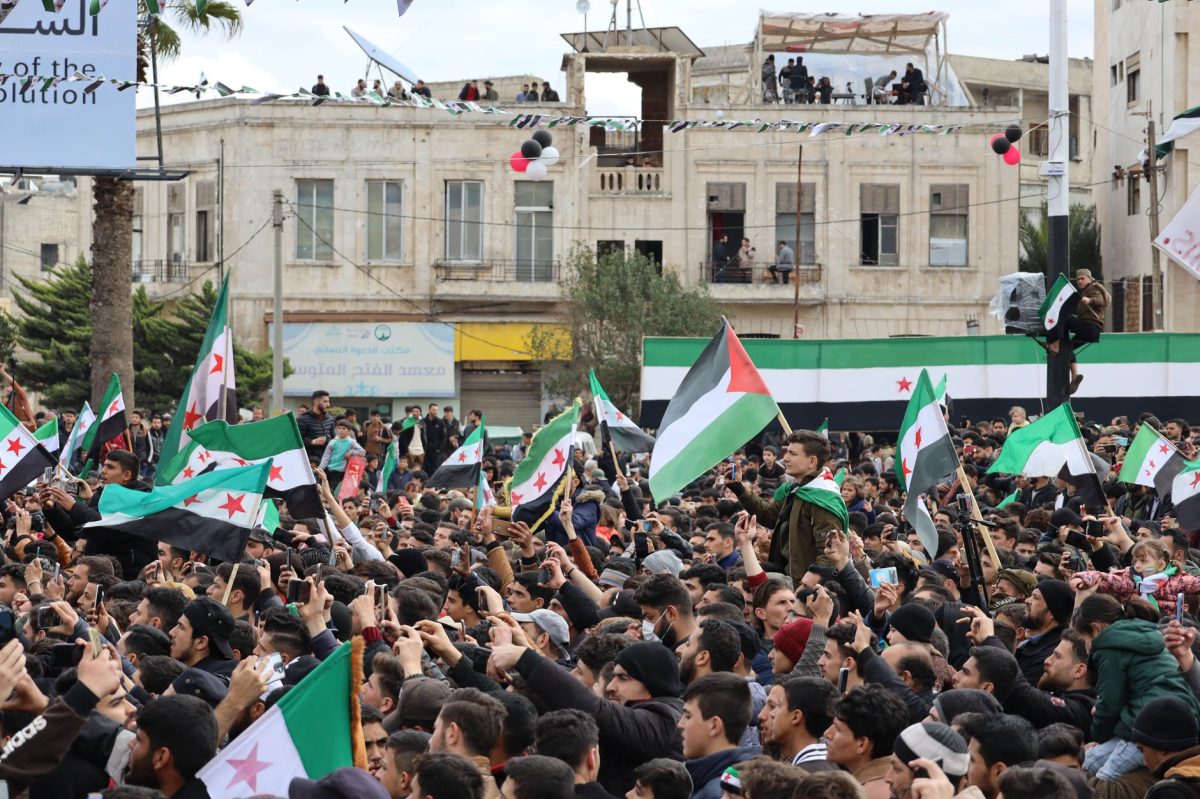
Despite the massive recruitment push, many volunteers are motivated more by promised civilian job placement than by patriotic zeal.