7 Key Facts About Iran's New Conditions to Resume US Talks Right Now

On September 17, 2026 Tehran announced it had formally conveyed a list of conditions to a quartet of neutral mediators in Doha. The move follows weeks of back‑channel messages after the April drone strike that killed senior Iranian commanders. By laying out its red lines publicly, Iran hopes to pressure the United States into a diplomatic reset before the summer election cycle intensifies.
What Iran Said It Delivered to Mediators
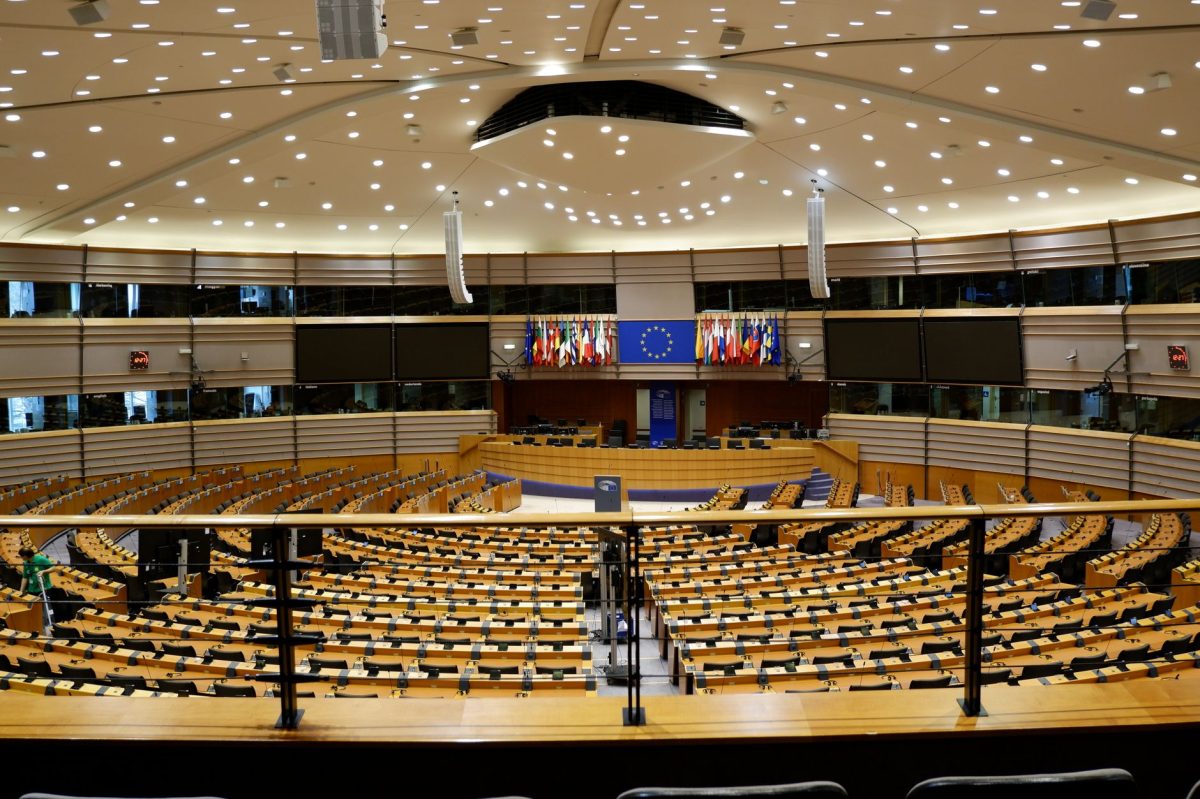
According to a statement released by Iran's Ministry of Foreign Affairs on September 17, the conditions were handed to representatives from Qatar, Oman, the United Nations and the European Union in a sealed envelope at the Doha Peace Forum. The document, described by officials as "comprehensive and non‑negotiable," contains three core demands. First, the United States must lift all secondary sanctions tied to Iran's oil exports and banking sector by the end of 2026. Second, Washington must cease any military assistance or intelligence sharing with Israel related to operations in the Gaza Strip and the broader Levant. Third, Tehran seeks the immediate release of the 15 Iranian nationals it says are being held in U.S. prisons on espionage or terrorism charges. A footnote in the dossier cites a recent UN report that lists 12 of those detainees as political prisoners. The envelope was delivered in a private meeting at the Sheraton Hotel in Doha, a detail confirmed by a spokesperson for the Qatari Foreign Ministry. The Iranian side emphasized that these points are linked to a broader call for "mutual respect of sovereignty and non‑interference" in regional affairs.
Why These Conditions Could Shift Regional Dynamics
The first demand—lifting secondary sanctions—targets a cornerstone of U.S. pressure on Tehran since 2018. If the United States were to ease those restrictions, Iran's oil exports could rebound to pre‑sanction levels of roughly 3.5 million barrels per day, according to data from the International Energy Agency. That influx would bolster Tehran's fiscal position and could reduce its reliance on illicit financing networks. Second, the request to halt U.S. support for Israel touches a volatile flashpoint. Analysts at the Carnegie Middle East Center note that American military aid to Israel, valued at about $3.8 billion annually, has been a rallying point for Iranian hardliners. Removing that lever might lower the risk of retaliatory strikes in the Persian Gulf, which have spiked since the April incident. Third, the prisoner‑release clause addresses a domestic political narrative. Iranian President Ebrahim Raisi has repeatedly framed the detainees as symbols of foreign oppression; freeing them could shore up his waning popularity ahead of the upcoming parliamentary elections in October. Together, these conditions could reshape the security calculus for Gulf states, many of which have been balancing ties with both Washington and Tehran. For ordinary citizens in Iran, the most immediate impact would be a potential drop in fuel prices and a loosening of internet restrictions that often accompany heightened tensions.

“"Our conditions reflect the legitimate aspirations of the Iranian people for peace, dignity and economic recovery," Foreign Minister Hossein Amirabdollahian said during a televised briefing in Tehran on September 18, emphasizing that Tehran will not compromise on sovereignty.”
What Remains Unknown
While Tehran's list is now on record, the United States has not issued an official response, leaving several critical gaps. First, it is unclear whether the U.S. administration will interpret the demands as a pre‑condition for talks or as an ultimatum. The State Department's spokesperson declined to comment, citing ongoing diplomatic consultations. Second, the exact timeline for lifting sanctions is ambiguous; Washington typically requires congressional approval for major sanction relief, a process that could be stalled by upcoming midterm elections. Third, the request to halt support for Israel raises questions about how the United States would verify compliance, especially given the classified nature of many military aid programs. Finally, the fate of the 15 detainees hinges on legal proceedings that are currently sealed. Without transparency on these fronts, both sides risk misreading each other's signals, which could reignite the cycle of proxy confrontations that have defined the region for the past decade.
Key Takeaways
- Iran delivered three core demands—sanction relief, halting U.S. aid to Israel, and prisoner releases—to Doha mediators on Sept. 17.
- Lifting secondary sanctions could restore Iranian oil exports to about 3.5 million barrels per day, reshaping its economy.
- U.S. aid to Israel, valued at $3.8 billion annually, is a central leverage point that Tehran seeks to remove.
- The release of 15 Iranian detainees is tied to domestic political calculations ahead of Iran’s October parliamentary elections.
- No official U.S. response yet; the next 72 hours will reveal whether talks can progress beyond the stated conditions.
What to Watch in the Next 72 Hours
In the coming three days, diplomatic channels are expected to light up with activity. Watch for a possible statement from the U.S. National Security Council, which may outline a preliminary stance on the Iranian conditions. Simultaneously, Qatar's Foreign Minister may convene a follow‑up meeting in Doha to gauge the willingness of the European Union to act as a guarantor for any future agreement. Iranian state media is likely to broadcast additional commentary from senior officials, which could reveal internal pressure points. Another key indicator will be any movement in the United Nations Security Council; a draft resolution on regional de‑escalation could surface, testing the resolve of permanent members. Finally, market analysts will monitor oil price fluctuations; a sudden dip could signal investor optimism that sanctions relief is on the table, while a spike might reflect continued uncertainty. These signals will help determine whether the dialogue moves beyond rhetoric toward a concrete roadmap.
Oman's foreign ministry reported that its diplomatic office in Muscat handled 12 back‑channel messages between Tehran and Washington in the past month, according to an official press release on September 12, 2026.
Iran's public presentation of its red‑line demands marks a rare moment of transparency in a relationship long defined by secrecy and brinkmanship. For ordinary citizens on both sides of the Persian Gulf, the stakes are tangible: lower fuel costs, fewer internet shutdowns, and a possible easing of the constant threat of military escalation. Yet the path forward hinges on whether Washington can translate political will into actionable policy amid domestic pressures. As diplomats convene in Doha and beyond, the world watches to see if a fragile bridge can be built before the next crisis erupts.