Contrarian: Everyone Is Wrong About EU Energy Permit Reform — The Real Stakes Behind the New 12‑Month Deadline


On 12 March 2024 the European Parliament approved a resolution to cut energy‑project permitting times to 12 months, a move championed by the EU’s climate agenda. The decision forces Brussels to draft a binding Energy Permit Directive, while countries such as Poland and Hungary argue that the one‑size‑fits‑all timetable ignores local legal quirks and grid constraints. The outcome will shape how quickly Europe can meet its 2030 renewable targets and could reshape the balance of power between EU institutions and national governments.
What Happened: Parliament’s Vote and the Draft Directive
The European Parliament’s Environment, Public Health and Food Safety Committee voted 46‑15 in favour of a resolution that calls for a 12‑month deadline for all new renewable energy permits across the bloc. The vote took place in Brussels on 12 March 2024, following a heated debate that lasted over three hours. According to a press release from the European Parliament, the resolution will be forwarded to the European Commission, which is now tasked with drafting a formal Energy Permit Directive before the end of the year. The draft will replace the current patchwork of national timelines that range from 12 months in Denmark to 30 months in Italy. A small but concrete detail highlighted in the release: the new rule would require member states to publish a transparent schedule for each permit within 48 hours of application. The proposal has already triggered a formal objection from the Council of the European Union, where Poland, Hungary and the Czech Republic have lodged written protests, warning that the rule could clash with national environmental assessment laws. Account to Euractiv notes that the Commission’s legal services are preparing a detailed impact assessment that will be released in September.
Why It Matters: Impacts on the Energy Transition and Everyday Life
First, the tighter timeline could accelerate the deployment of wind and solar farms, shaving years off projects that currently sit in bureaucratic limbo. For households, this means faster access to cheaper, locally generated electricity and a quicker reduction in energy bills. Second, the directive aims to level the playing field for investors. At present, developers face a maze of national procedures that favour countries with streamlined processes, skewing capital toward places like Germany while leaving nations such as Poland under‑invested. A more uniform system could spread financing more evenly, creating jobs in regions that have lagged behind the green transition. Third, the reform touches on environmental safeguards. Critics argue that a blanket deadline may force authorities to rush assessments, potentially overlooking site‑specific impacts on wildlife or water resources. If not properly managed, this could trigger local opposition, slowing projects in the very way the rule intends to speed them up. Finally, the political fallout could reshape EU governance. A successful directive would reinforce Brussels’ authority to set common standards, whereas a stalemate could embolden member states to push back on other climate‑related legislation, weakening the EU’s overall climate credibility.
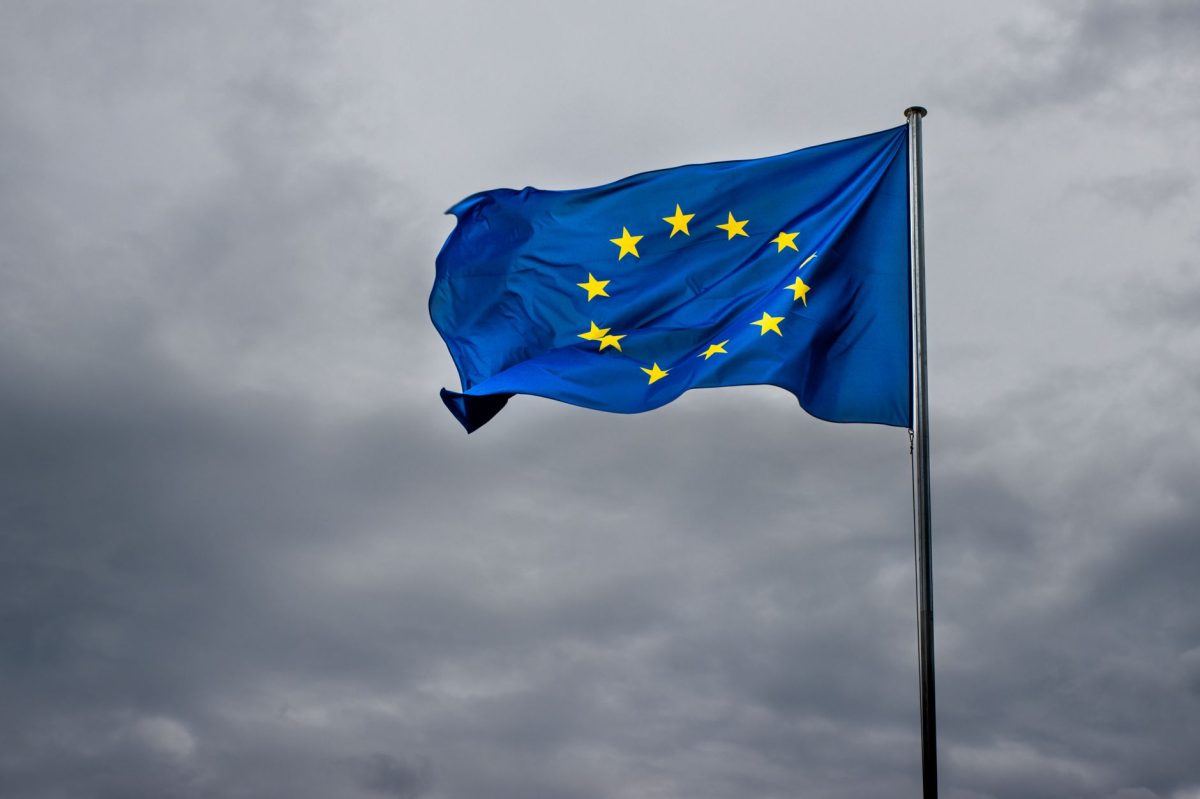

“We cannot afford further delays in green infrastructure," said EU Energy Commissioner Kadri Simson at a Brussels press conference on 13 March 2024, emphasizing the urgency of meeting the bloc’s 2030 climate goals.”
What We Don't Know Yet: Legal Hurdles and Implementation Gaps
The draft Energy Permit Directive is still in the early stages, and several key uncertainties remain. First, it is unclear how the European Court of Justice will interpret the clash between the proposed 12‑month deadline and existing national environmental laws, especially in countries with strict biodiversity protections. Second, the Commission has not yet disclosed the methodology it will use to calculate the "reasonable" timeframes for complex offshore wind projects, which often require longer marine impact studies. Third, member states have not provided detailed feedback on the administrative resources they would need to meet the new schedule; some ministries have warned of staffing shortfalls that could paradoxically increase processing times. Finally, the timeline for the Council of Ministers to adopt a common position is unknown, and a protracted negotiation could push the final directive beyond the end‑2025 target set by the European Parliament. These gaps mean that the promised acceleration may never materialise if legal challenges or bureaucratic bottlenecks persist.
Key Takeaways
- The European Parliament voted for a 12‑month permit deadline, aiming to harmonise renewable project approvals across the EU.
- Poland, Hungary and the Czech Republic have formally objected, citing conflicts with national environmental assessment laws.
- Faster permits could lower electricity prices for consumers and spread green‑job creation to lagging regions.
- Legal uncertainty remains over how EU courts will reconcile the new rule with existing national and EU environmental safeguards.
What to Watch: Upcoming Negotiations and Potential Flashpoints
In the next 24‑72 hours, attention will turn to the Council of the European Union’s meeting on 16 March 2024, where finance and energy ministers from all 27 member states will discuss the Parliament’s resolution. Watch for statements from Poland’s energy minister, who is expected to demand a “flexibility clause” that would allow national extensions in cases of environmental complexity. Simultaneously, the European Commission is slated to release a preliminary impact assessment on 18 March, which will outline expected cost savings and administrative burdens. Environmental NGOs such as Greenpeace Europe have warned they will stage a coordinated protest in Brussels on 20 March if the draft does not include robust safeguards for biodiversity. Finally, the European Court of Justice is rumored to be preparing an advisory opinion on the compatibility of a uniform deadline with the EU’s environmental directives, a decision that could set a legal precedent for future climate legislation.
Poland currently has 1,200 pending renewable energy permits, the highest number in the EU, according to Eurostat data released in February 2024.
The clash over energy permitting is more than a bureaucratic squabble; it is a test of the EU’s ability to coordinate climate action while respecting national realities. If Brussels can craft a directive that speeds up approvals without compromising environmental standards, the bloc could see a tangible boost in renewable capacity before 2030. Conversely, a deadlock could stall projects, keep electricity prices high, and undermine public confidence in the EU’s climate agenda. The coming weeks will reveal whether compromise or confrontation will shape Europe’s green future.