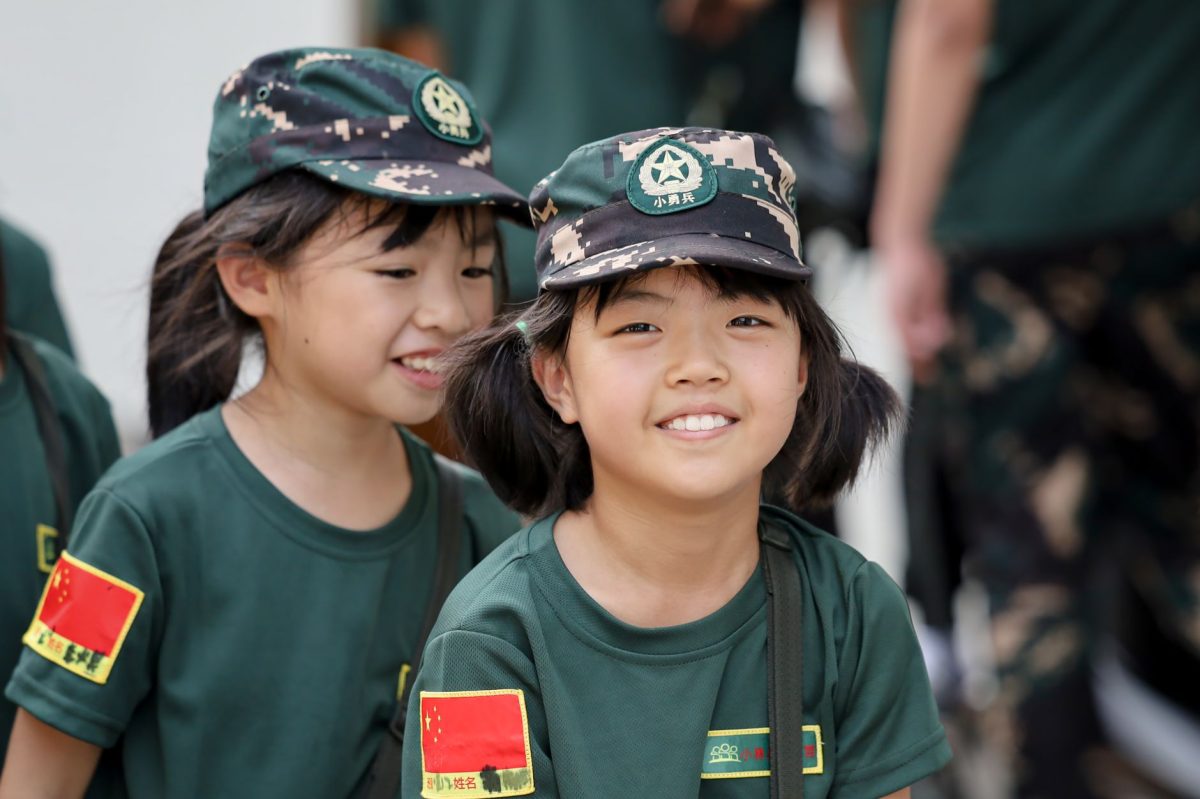
China's MFA rebukes Anthropic CEO's plea to curb Beijing's AI development

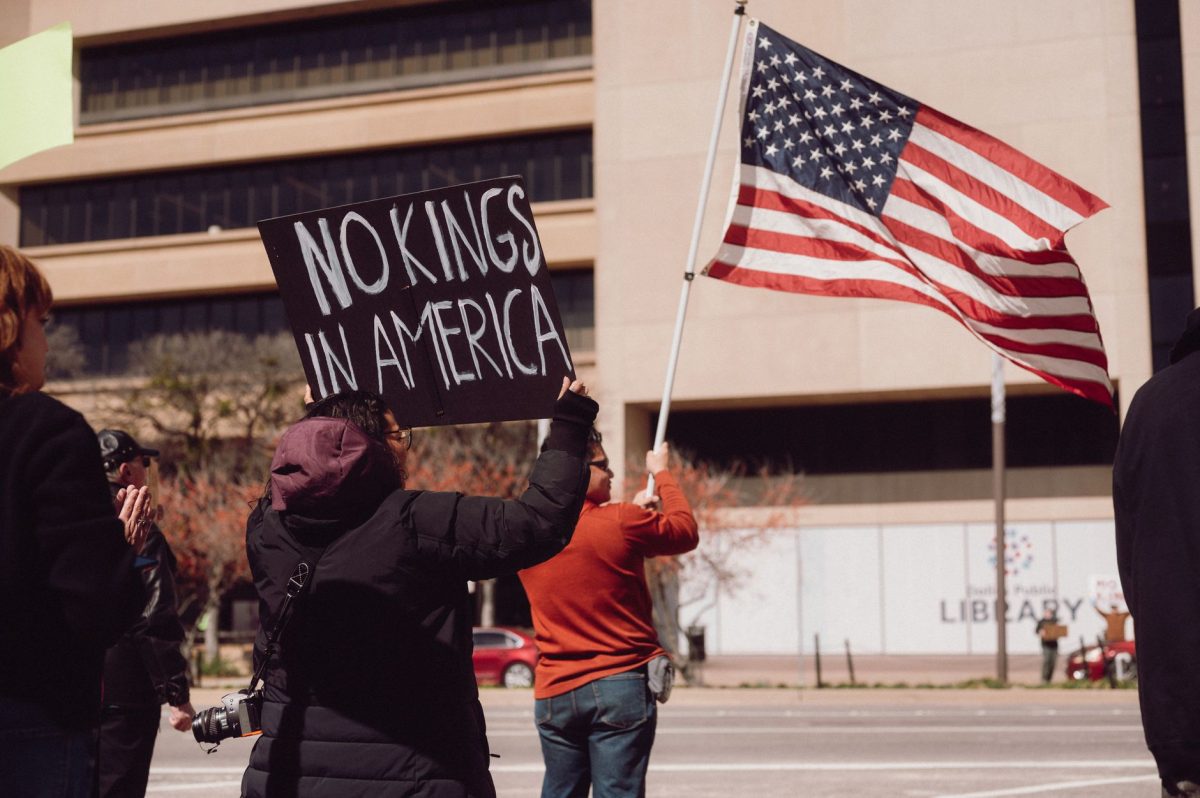
On Monday, Anthropic chief executive Dario Amodei urged the United States to rein in China’s rapidly expanding artificial‑intelligence sector. The appeal was made during a panel in San Francisco and quickly drew a sharp response from Beijing. China’s foreign ministry issued a statement that night, insisting its AI progress is a matter of national security and economic growth. The exchange highlights a growing diplomatic tug‑of‑war over emerging technologies.
What happened: Beijing’s foreign ministry responds to Anthropic’s warning
At 10:30 a.m. Beijing time on Monday, the Ministry of Foreign Affairs (MFA) released a statement on its official Weibo account, directly addressing the remarks made by Anthropic CEO Dario Amodei. The ministry’s spokesperson, Wang Wenbin, said the call for the United States to "curb" China’s AI capabilities was "irresponsible and contrary to the principles of mutual respect and non‑interference". He emphasized that China’s AI development is guided by its own legal framework and is essential for national modernization. The statement also cited recent Chinese AI milestones, such as the launch of the Kunlun model by Baidu, which achieved 1.5 trillion parameters in early September. Wang added that any external attempt to limit China’s tech sector would only deepen mistrust and could trigger a "technology Cold War". The MFA’s response was posted alongside a photo of the Great Hall of the People, underscoring the political weight the issue now carries.
Why it matters: AI rivalry and global tech policy
The clash between Anthropic’s leadership and Beijing reflects a broader pattern of strategic competition in artificial intelligence. Over the past two years, the United States has tightened export controls on advanced chips and AI software, aiming to prevent Beijing from acquiring cutting‑edge tools. In turn, China has accelerated domestic research, pouring an estimated $30 billion into AI projects through state‑backed funds, according to a report from the China Academy of Information and Communications Technology (CAICT). For ordinary citizens, this rivalry can affect everything from smartphone performance to job prospects. As AI becomes embedded in public services—such as health‑care diagnostics and traffic management—policy decisions made in Washington or Beijing can shape the quality and accessibility of those services.
Another dimension is data privacy. Chinese AI firms often rely on vast domestic data pools, which are governed by the Personal Information Protection Law (PIPL). Western concerns about data misuse have fueled calls for stricter cross‑border data flows. If the U.S. were to impose broader curbs, Chinese companies might shift to more closed ecosystems, limiting consumer choice and potentially raising costs for global tech products. Conversely, a hardline stance could push Chinese developers to innovate independently, leading to divergent AI standards that complicate international collaboration.
Finally, the diplomatic tone of the exchange signals how AI is now a core element of national security. Defense ministries in both countries are investing heavily in autonomous weapons and surveillance tools. A public rebuttal from the MFA suggests that Beijing will not tolerate external pressure on its AI trajectory, which could influence future negotiations on trade, cybersecurity, and even climate‑tech cooperation. The stakes extend beyond corporate competition; they touch on the everyday digital experiences of billions of people worldwide.
“Wang Wenbin told reporters that "China will continue to pursue independent AI development and will not be swayed by foreign calls for restriction," a remark made during a daily press briefing at the MFA headquarters.”
What we don’t know yet
Several critical questions remain unanswered. First, it is unclear whether the United States will translate Anthropic’s public appeal into concrete policy measures, such as expanding the Entity List or tightening licensing for AI chips. The Treasury Department has hinted at possible revisions, but no official proposal has been published. Second, the internal Chinese response beyond the MFA’s public statement is opaque; senior officials in the Ministry of Industry and Information Technology have not commented, leaving analysts to speculate about any behind‑the‑scenes coordination.
A third unknown is how other AI players will position themselves. Companies like OpenAI, Google DeepMind, and Microsoft have already faced U.S. export restrictions, yet they continue to collaborate with Chinese research institutions under limited agreements. Whether they will follow Anthropic’s lead and publicly call for curbs, or remain silent to protect market access, could shift the dynamics dramatically.
Finally, the impact on ongoing AI standards discussions at the International Telecommunication Union (ITU) and the World Economic Forum is uncertain. If Beijing perceives the U.S. stance as a coordinated effort to isolate its tech sector, it may withdraw from multilateral forums, slowing the creation of global AI governance frameworks. The lack of clear signals makes it difficult for policymakers, investors, and ordinary users to anticipate the next moves in this high‑stakes arena.
Key Takeaways
- China’s MFA publicly dismissed Anthropic CEO Dario Amodei’s call for U.S. limits on Chinese AI, labeling it irresponsible.
- Beijing frames AI development as a sovereign, security‑related priority, warning against external interference.
- U.S. export‑control policy could tighten, but no concrete measures have been announced yet.
- The dispute may influence global AI standards talks and affect everyday tech services for consumers.
What to watch
In the next 24‑72 hours, three developments will be most telling. 1️⃣ A follow‑up briefing from the U.S. State Department or Commerce Department could reveal whether any new export controls are being drafted. Watch for language that references "national security" or "critical technologies," which would signal a shift from rhetorical criticism to actionable policy.
2️⃣ Chinese tech giants such as Alibaba, Tencent, and Baidu are expected to issue internal memos to staff about the MFA’s statement. Leaked excerpts, often shared on Chinese micro‑blog platforms like Weibo and Zhihu, can indicate whether companies will accelerate in‑house AI development or seek alternative overseas partnerships.
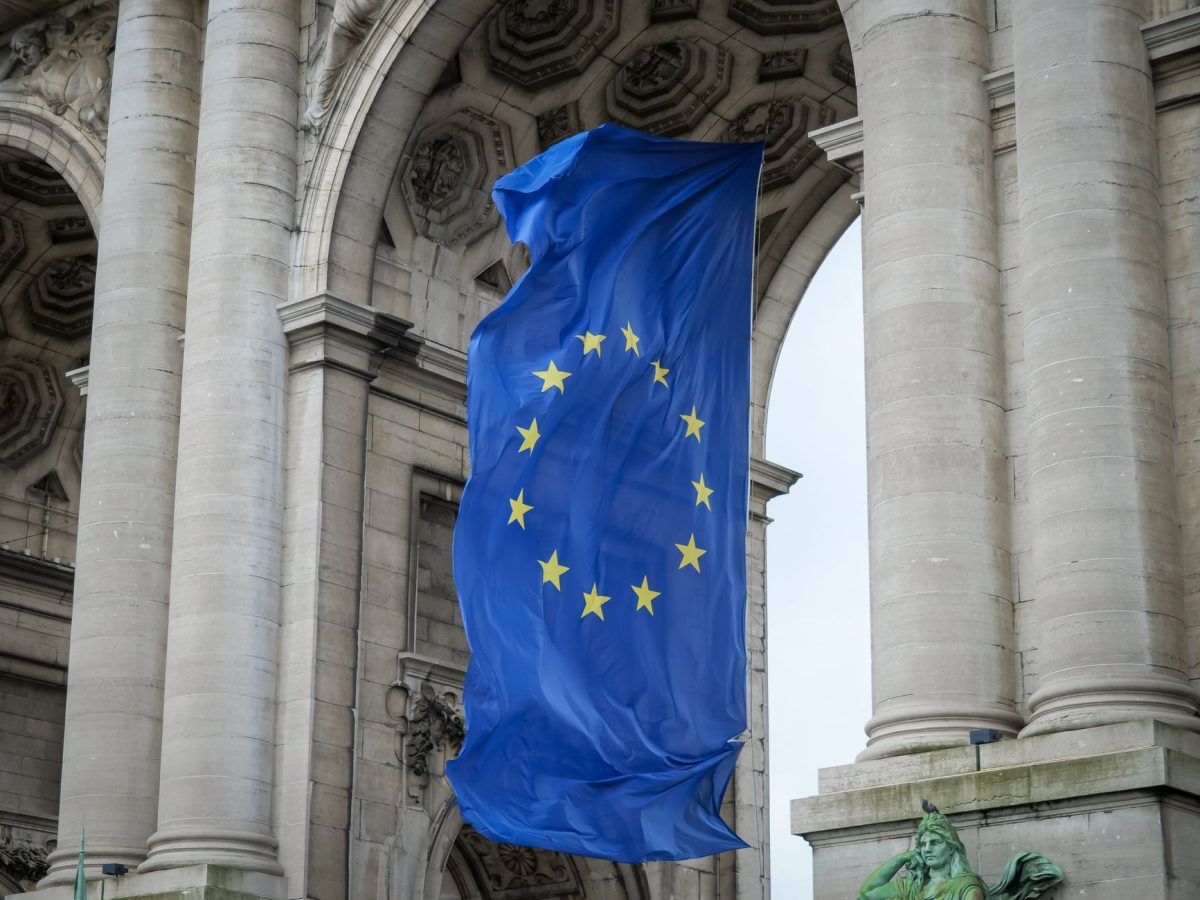
3️⃣ The upcoming AI summit in Geneva, scheduled for next week, will feature panels with representatives from the EU, the United States, and China. Any deviation from the usual collaborative tone—especially if Chinese delegates cite the MFA’s rebuke—could foreshadow a hardening of diplomatic positions. Monitoring these signals will help gauge whether the dispute remains a diplomatic volley or escalates into concrete trade and technology restrictions.
Stakeholders should also keep an eye on market reactions: AI‑related stocks in both Shanghai and Nasdaq have shown heightened volatility following the statements, and short‑term price swings could affect retail investors. Analysts will be parsing earnings calls for references to "regulatory risk" tied to AI, offering another barometer of how seriously the industry is taking the diplomatic friction.
In September 2023, China’s Baidu unveiled the Kunlun model with 1.5 trillion parameters, making it one of the world’s largest AI systems – a milestone reported by CAICT.
The back‑and‑forth between Anthropic’s leadership and China’s foreign ministry underscores how artificial intelligence has become a geopolitical flashpoint. While the MFA’s rebuke affirms Beijing’s resolve to chart its own AI course, the United States has yet to reveal whether it will formalize the calls for restriction into policy. For consumers and businesses, the outcome will shape the availability, cost, and safety of AI‑driven products and services in the years ahead. Observers should watch official channels for any policy shifts, while keeping in mind that the broader tech rivalry continues to evolve beneath the headlines.