U.S. Cuts HIV Funding to Namibia, Threatening Services for 29,000 People


On July 12, 2024 the United States announced it will end its bilateral HIV/AIDS assistance to Namibia by December 2025. The $46 million program has funded antiretroviral therapy, community testing, and youth prevention campaigns since 2005. Without that money, an estimated 29,000 Namibians risk losing access to life‑saving services. The decision arrives as Namibia strives to meet its 2025 target of ending AIDS as a public health threat.
What Happened: U.S. Announces End of HIV Funding to Namibia
According to a statement from the U.S. Agency for International Development (USAID), the administration will “phase out” its President’s Emergency Plan for AIDS Relief (PEPFAR) support to Namibia over the next 18 months. The decision was communicated to Namibia’s Ministry of Health and Social Services on July 10, 2024 and confirmed in a press release on July 12. The funding, which totals roughly $46 million annually, has underpinned three core pillars: antiretroviral treatment (ART) for people living with HIV, community‑based testing and counseling, and prevention programs for adolescents and key populations. A small but concrete detail is that the program currently finances 12 mobile clinics that travel to remote regions such as Omaheke and Kavango East. USAID cited “strategic reallocation of resources” and a shift toward “national ownership” as reasons for the withdrawal. The phase‑out schedule calls for a 25% reduction in the first six months, followed by a full cessation by the end of 2025. Namibia’s Ministry of Health confirmed receipt of the notice and said it will convene an emergency task force to assess the impact.
Why It Matters: Impact on Patients, Clinics and National HIV Goals
The immediate effect will be felt at the clinic level. Over 150 health facilities rely on U.S.‑supplied test kits and medication pallets that arrive quarterly. When those shipments stop, patients may experience interruptions in ART, which can lead to viral rebound, drug resistance, and higher mortality. For many rural patients, the mobile clinics are the only point of contact with the health system; losing them could push thousands back into undiagnosed status.
Beyond individual health, the funding cut threatens Namibia’s broader epidemiological targets. The country has been on track to achieve the UNAIDS 95‑95‑95 goals—95% of people living with HIV knowing their status, 95% of those on treatment, and 95% of treated individuals achieving viral suppression—by 2025. The loss of testing kits jeopardizes the first 95, while the reduction in ART supplies undermines the second and third milestones.
Economically, untreated HIV increases health‑care costs and reduces labor productivity. The World Bank estimates that each untreated case can cost a household up to $2,300 per year in lost earnings and medical expenses. In Namibia’s small, service‑oriented economy, a surge in HIV‑related morbidity could strain social safety nets and slow progress toward Vision 2030, the nation’s development blueprint.
Finally, the funding withdrawal may erode trust in international partnerships. Communities that have benefited from PEPFAR programs for nearly two decades may view the abrupt exit as a breach of commitment, potentially reducing willingness to engage with future donor initiatives.
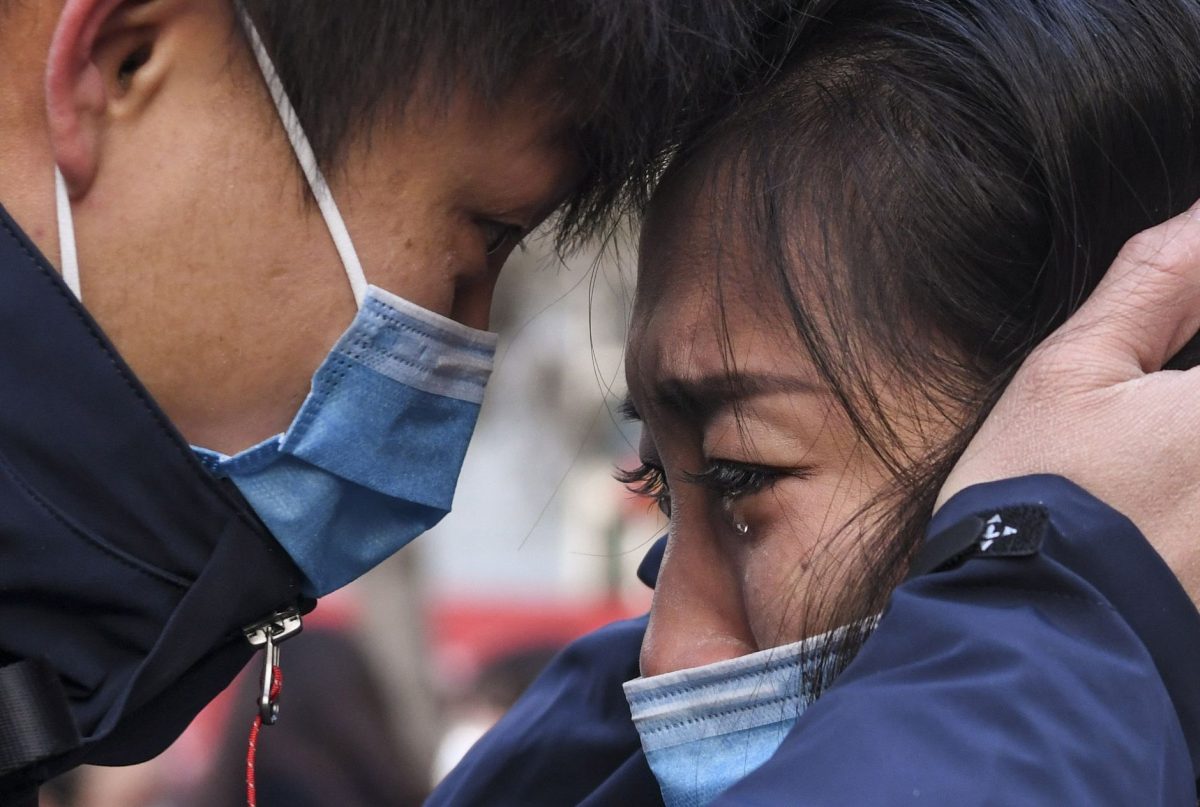

“Dr. Emma Kambala, director of Namibia’s National AIDS Council, told the press that “the sudden loss of U.S. resources puts thousands of patients at risk of treatment interruption and could reverse years of progress in HIV prevention,” speaking at a briefing in Windhoek on July 13.”
What We Don’t Know Yet
Several critical questions remain unanswered. First, the exact timeline for the hand‑over of program responsibilities to the Namibian government has not been disclosed. While officials say a transition plan is being drafted, details about funding gaps, staffing, and supply‑chain logistics are still missing. Second, the impact on specific vulnerable groups—such as sex workers, men who have sex with men, and adolescents—has not been quantified; data on how many of the 29,000 affected individuals belong to these key populations are scarce. Third, it is unclear whether alternative donors, such as the Global Fund or private philanthropies, will step in to fill the void, and if so, on what schedule. Finally, the long‑term health outcomes for patients who experience a temporary ART interruption are not well understood in the Namibian context; research on resistance patterns and mortality rates after such disruptions is limited. These gaps make it difficult for policymakers to gauge the full magnitude of the crisis and to design effective mitigation strategies.
Key Takeaways
- The U.S. will end $46 million in HIV aid to Namibia by Dec 2025, affecting over 29,000 people.
- Mobile clinics in remote regions like Omaheke rely on U.S. funding for medication and testing kits.
- Interruptions in ART risk viral rebound, drug resistance, and higher mortality among patients.
- Namibia’s 95‑95‑95 HIV targets for 2025 are jeopardized by the loss of testing and treatment supplies.
- Unclear if alternative donors will fill the gap; transition plan details are still pending.
What to Watch
In the next 24‑72 hours, observers should monitor three developments. One, the Namibian Ministry of Health is expected to release a formal response plan by July 15, outlining interim funding sources and contingency measures for the mobile clinics. Two, the U.S. Department of State may issue a supplemental diplomatic note clarifying whether any bilateral assistance will be redirected to other health priorities, which could affect the overall budget landscape. Three, international NGOs such as Médecins Sans Frontières and the Clinton Health Access Initiative have hinted at emergency shipments of ART to bridge the short‑term gap; any official announcement will indicate the speed of the humanitarian response. Tracking statements from these actors will reveal whether the anticipated service disruption can be mitigated or if a larger health emergency looms.
Namibia achieved a 90% viral suppression rate among patients on treatment in 2022, according to a WHO report.
The United States’ decision to withdraw HIV funding creates a precarious situation for thousands of Namibians who depend on consistent treatment and testing. As the nation scrambles to find alternative resources, the health of vulnerable communities hangs in the balance. Continued monitoring and swift action from both local authorities and international partners will be essential to prevent a reversal of hard‑won gains against HIV. The coming weeks will reveal whether Namibia can sustain its progress or face a new wave of preventable illness.