Tumwebaze Urges Parliament to Drop Western Suits, Advocates African Dress

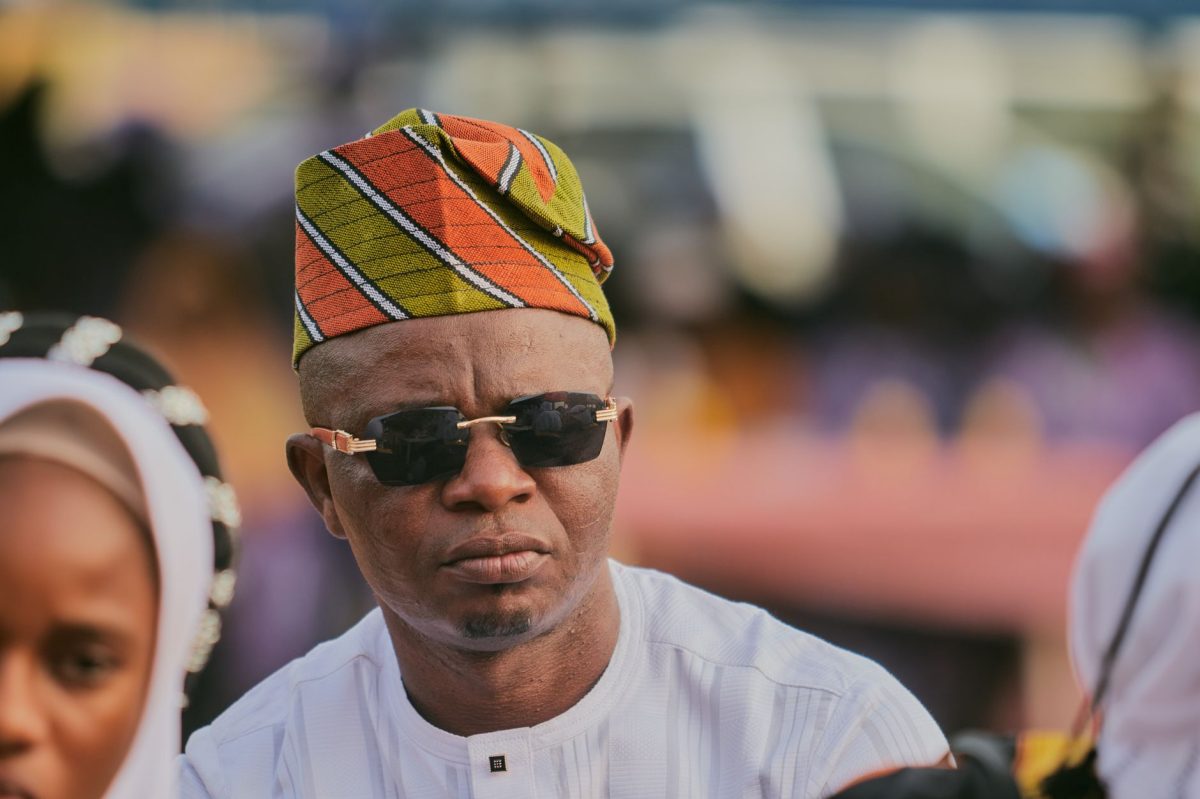
On March 15, Frank K. Tumwebaze filed a memorandum with the Rules Committee demanding an end to the requirement that MPs wear Western suits during parliamentary sessions. The motion signals a push for cultural authenticity and may reshape parliamentary dress codes. It also raises questions about the intersection of tradition and modern governance. The outcome could set a precedent for how national symbols are represented in Uganda’s political arena.
What Happened
On Wednesday, March 15, Kibale East Member of Parliament and Minister of Agriculture, Animal Industry and Fisheries Frank K. Tumwebaze formally presented a memorandum to the Parliament’s Committee on Rules, Procedures, and Business. The document, dated March 12, requests the committee to amend the 2013 parliamentary dress code amendment that mandates MPs wear Western suits during official sittings. Tumwebaze cites the amendment’s text, which specifies that “all members must wear business attire” as the source of his grievance. The memorandum was read aloud in the committee’s session held at the Parliament House in Kampala, where the speaker of the house, Dr. Susan K. Okello, noted the petition in the minutes. According to the Nile Post, the motion is the first formal request in Uganda’s history to alter a dress code that has been in place for over a decade. A small but significant detail is that the memo references a 2015 amendment that added a clause about “professional appearance” but did not specify a particular style of clothing. The committee is set to deliberate on the proposal over the next week, with a decision expected by the end of the month.
Why It Matters
The push to abandon Western suits reflects a broader movement toward embracing African heritage within formal institutions. In Uganda, where traditional attire such as kitenge shirts and sarongs once dominated public life, the 2013 amendment was seen as a step toward a more cosmopolitan image. Yet the cost of maintaining a Western suit wardrobe can be prohibitive for many MPs, especially those from rural constituencies. By allowing traditional garments, the parliament could reduce financial burdens and signal solidarity with constituents who wear local fabrics daily.
Beyond economics, the change touches on cultural identity. The use of Western suits has long been associated with colonial legacy and a perceived disconnect from local customs. A shift toward African attire could reinforce national pride and encourage other institutions, such as the judiciary and civil service, to follow suit. For ordinary Ugandans, seeing their representatives in familiar clothing may foster a sense of belonging and trust in the political process. The motion also invites debate about the role of symbolism in governance, prompting a re‑evaluation of what constitutes professionalism in a post‑colonial context.
“I am tired of being forced to wear a suit that does not reflect my heritage,”
What We Don’t Know Yet
The committee
Uganda’s textile sector produces more locally‑woven fabric per capita than any other East African country, yet only 12 % of MPs currently wear it during sessions.