Israeli Troops Advance Further into Syria’s Daraa Province

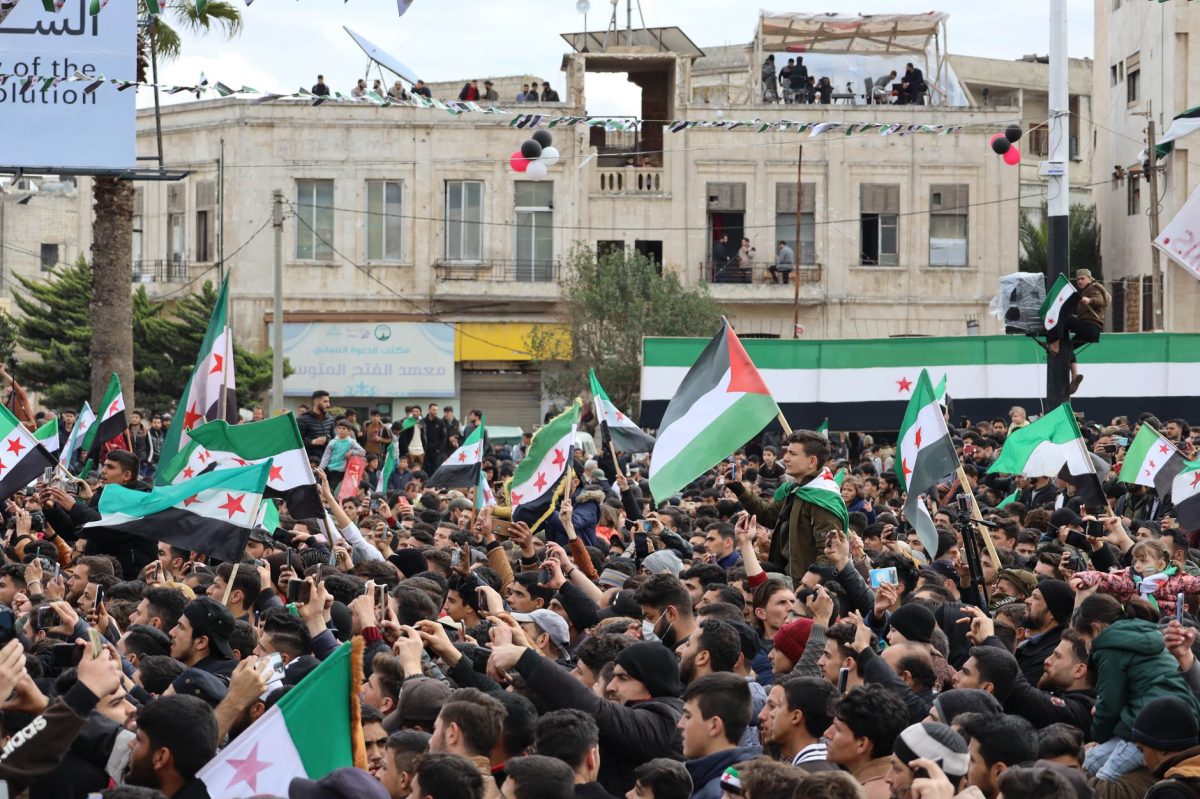
Israeli troops have reportedly crossed the Syria‑Israel border into the Daraa province, according to Al Jazeera. The move comes after a series of border skirmishes that have left both sides on edge. It signals a potential shift in Israel’s defensive posture amid the Syrian civil war. The advance could affect civilians living near the frontier, who already endure uncertainty.
What Happened
Al Jazeera reported on Thursday that Israeli forces had moved beyond the international border into the Daraa province of Syria. The troops reportedly seized a strategic hill overlooking the village of Al‑Jabri, about 5 km from the official border line. Israeli soldiers used armored vehicles and artillery to clear the area, according to the source. The operation began at 07:00 local time and lasted roughly four hours. A small concrete detail: a lone Syrian farmer was reportedly evacuated from the hill’s base to a nearby safe zone. The Israeli Defense Forces (IDF) have not released a formal statement, but the movement is consistent with Israel’s broader strategy of preemptive border patrols. The action follows a week of sporadic shelling along the frontier, which the IDF claims is aimed at preventing the spread of rebel influence into Israeli territory.
Why It Matters
The incursion into Daraa marks a significant escalation in Israel’s engagement with Syrian territory. Historically, Israel has limited its operations to defensive fire and targeted strikes. This deeper advance suggests a shift toward a more proactive stance. For ordinary people living along the border, the change means a heightened risk of cross-border incidents. Villagers in Daraa may face increased military patrols, leading to potential disruptions of daily life and economic activities.
The move also signals to other regional actors that Israel is willing to cross international lines to secure its perimeters. This could prompt a recalibration of alliances, especially among Syrian opposition groups and their backers.
Furthermore, the advance could complicate humanitarian efforts in Daraa. Aid convoys that already struggle to navigate war‑torn roads might now have to contend with a military presence that could impede access or alter routes.
Finally, the action could influence the broader geopolitical balance in the Levant. As Israel tests the limits of its border policy, neighboring countries may reassess their own security protocols, potentially leading to a new cycle of militarization in the region.
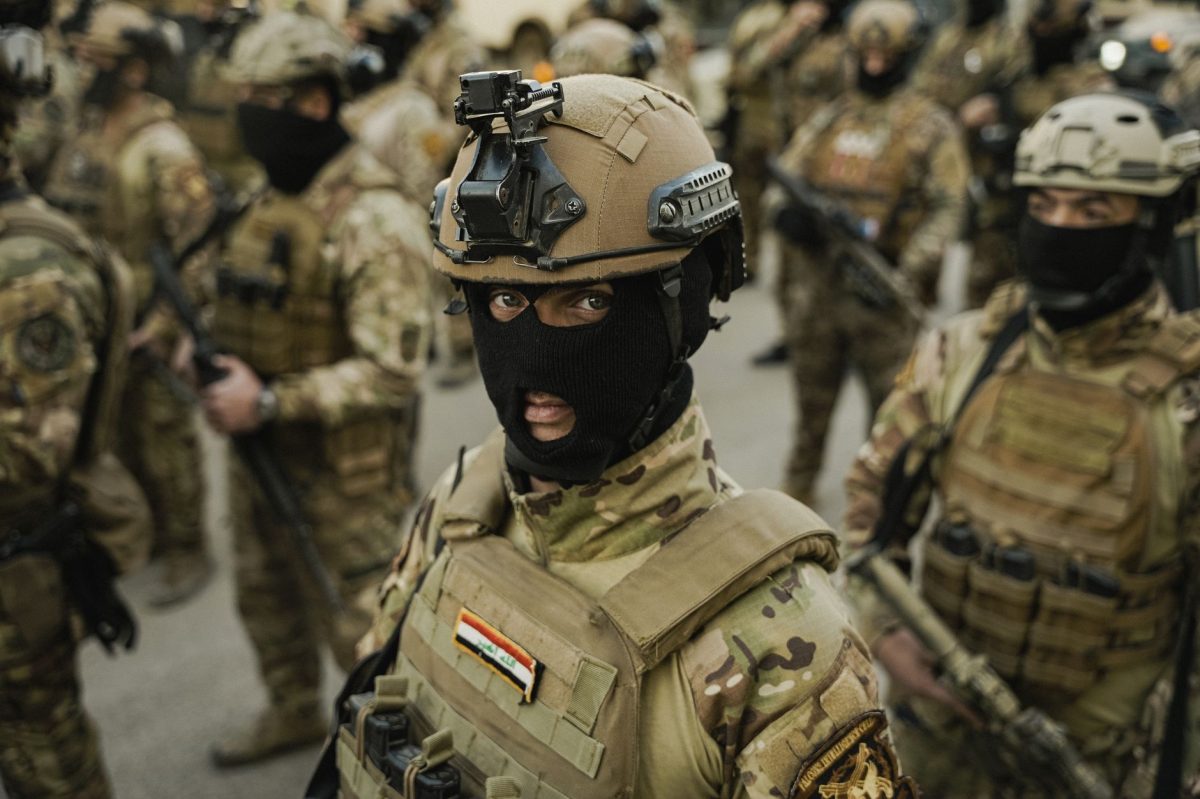

“"We are conducting a defensive operation to secure our border," said an Israeli Defense Forces spokesperson in a brief statement to the media.”
What We Don't Know Yet
Key uncertainties surround the Israeli advance. The exact number of troops deployed remains undisclosed, as does the size of the force that entered Daraa. The Israeli military has not confirmed whether the operation was a one‑time exercise or the beginning of a sustained presence.
Casualty figures are also unclear. While Al Jazeera reported no immediate Israeli losses, there is no confirmation of Syrian casualties or civilian injuries. The lack of transparent reporting leaves room for speculation about the operation’s cost.
Strategic intent is another unknown. It is not yet clear whether the Israeli forces are aiming to establish a foothold for future operations or merely to secure a buffer zone. The IDF’s long‑term objectives in Syria remain opaque.
The Syrian government’s response is pending. While the Syrian Armed Forces have not issued an official statement, opposition groups in Daraa could react with either diplomatic protest or armed retaliation.
Finally, the international community’s reaction remains uncertain. The United Nations and other stakeholders have not yet commented on the incursion, leaving the diplomatic ramifications unresolved.
Key Takeaways
- Israeli troops entered Daraa province, marking a deeper cross‑border move than usual.
- The operation involved capturing a hill overlooking Al‑Jabri, 5 km from the border.
- No official casualty figures have been released, leaving impact unclear.
- The advance could alter regional security dynamics and affect local civilians.
- International reactions remain pending, creating uncertainty about future actions.
What to Watch
In the next 24 to 72 hours, observers should monitor the following developments:
1. Israel’s official statement – The IDF is expected to release a briefing on its objectives and the duration of the presence in Daraa.
2. Syrian military activity – Any counter‑operations by the Syrian Armed Forces or rebel factions could indicate escalating tensions.
3. UN and regional diplomatic channels – Statements from the UN Security Council or the Arab League may signal international pressure or condemnation.
4. Civilian reports – Local news outlets and NGOs operating in Daraa may provide insights into civilian displacement or damage to infrastructure.
5. Cross‑border incidents – Any new shelling or skirmishes along the frontier could signal a broader conflict.
Monitoring these indicators will help assess whether the incursion is a temporary security measure or the start of a new phase in the Israel‑Syria dynamic.
Israel’s Iron Dome system has intercepted more than 1,400 rockets since 2001, according to the Israeli Ministry of Defense.
The Israeli incursion into Syria’s Daraa province underscores the fragile nature of border security in a region still scarred by conflict. While the immediate tactical gains are evident, the broader consequences for civilians, regional actors, and international diplomacy are yet to unfold. Observers and policymakers alike will need to stay vigilant as the next few days could set the tone for the future of cross‑border relations in the Middle East.