Japan Aims for Mars' Moons to Retrieve Samples for Solar System Origins Research

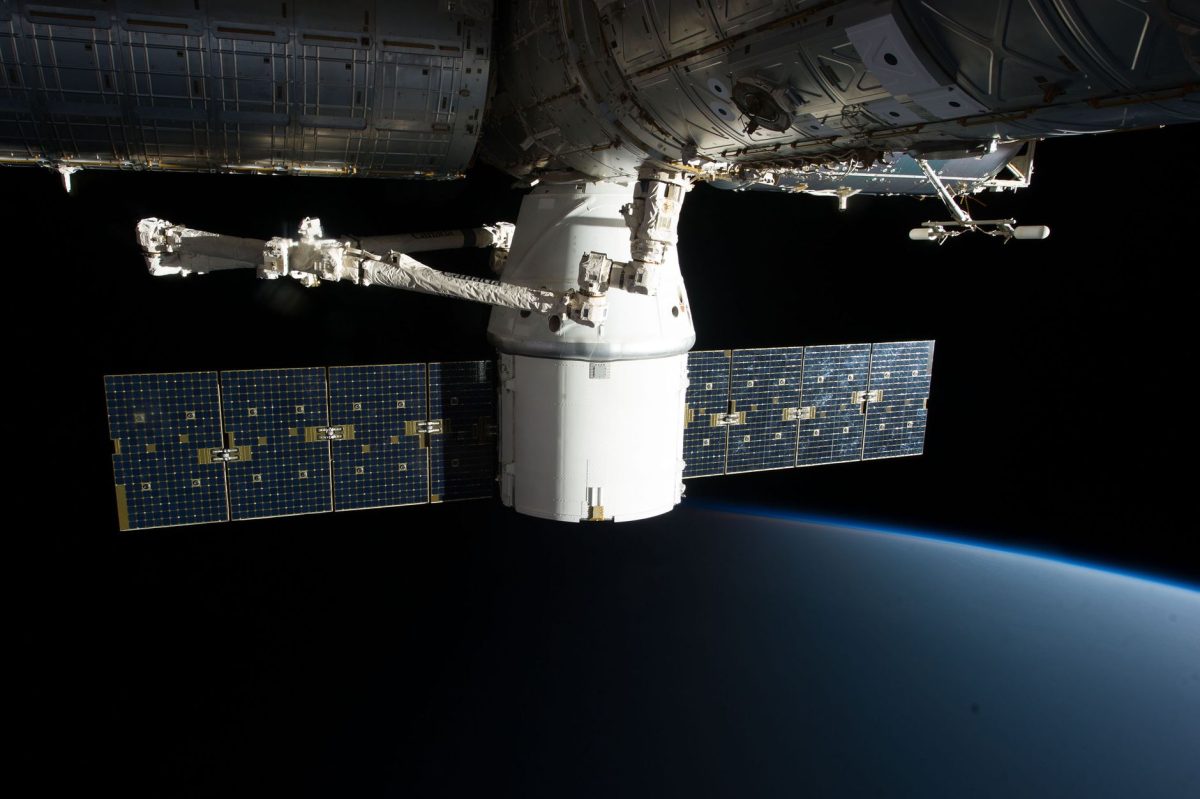
Japanese scientists are set to embark on a mission to Mars' moons, Phobos and Deimos, in a bid to retrieve samples that could unlock the mysteries of the Solar System's origins and the emergence of life on Earth. This ambitious endeavor holds significant implications for our understanding of the cosmos and the potential for life beyond our planet. The mission aims to collect samples from these moons, which are thought to be the remnants of a massive asteroid that once orbited Mars.
Japan Prepares Mars Moons Sample Return Mission
According to Dr. Hiroshi Ohno, a scientist at the Japan Aerospace Exploration Agency (JAXA), the mission is scheduled to launch in 2028 and will involve a spacecraft that will travel to Mars' moons, Phobos and Deimos, to collect samples that will be returned to Earth for analysis. The spacecraft will be equipped with a robotic arm that will collect samples from the surface of the moons, which will then be stored in a special container for transportation back to Earth. The mission is expected to provide valuable insights into the composition and history of the Solar System, as the moons are thought to contain materials that date back to the early days of the Solar System. Account to Dr. Ohno, 'The samples we collect from Phobos and Deimos will provide us with a unique window into the early history of the Solar System.' Dr. Ohno also mentioned that the mission will involve a complex process of sample collection and transportation, which will require careful planning and execution. The mission is expected to take several years to complete, with the samples expected to be returned to Earth in the late 2030s. The mission will involve a collaboration between JAXA and NASA, with the two space agencies working together to ensure the success of the mission.
Unlocking the Secrets of the Solar System and Life on Earth
The samples collected from Phobos and Deimos are expected to hold secrets about the formation and evolution of the Solar System, as well as the origins of life on Earth. The moons are thought to contain materials that date back to the early days of the Solar System, which could provide valuable insights into the conditions that existed on the early Earth. According to Dr. Ohno, the samples could also contain evidence of ancient life forms that may have existed on the moons. The mission is expected to provide valuable insights into the possibility of life existing elsewhere in the Solar System, which could have significant implications for our understanding of the universe and our place within it. The discovery of life on the moons could potentially rewrite the history of life on Earth and challenge our current understanding of the origins of life.

“The samples we collect from Phobos and Deimos will provide us with a unique window into the early history of the Solar System.' - Dr. Hiroshi Ohno, Japan Aerospace Exploration Agency (JAXA)”
What We Don't Know Yet
While the mission is expected to provide valuable insights into the Solar System and the origins of life, there are still many unanswered questions. For example, the composition and structure of the moons are not well understood, and it is unclear what kind of samples will be collected and what they will reveal. Additionally, the mission will involve a complex process of sample collection and transportation, which will require careful planning and execution. According to Dr. Ohno, 'There is still much to be learned about the moons and the sample collection process, and we will need to be prepared for any unexpected challenges that may arise.' The mission will also involve a significant amount of uncertainty, as the samples will be collected and analyzed in a remote and hostile environment.
Key Takeaways
- The Japanese space agency, JAXA, is preparing a mission to Mars' moons, Phobos and Deimos, to collect samples that may hold secrets about the origins of the Solar System and life on Earth.
- The mission is expected to launch in 2028 and will involve a complex process of sample collection and transportation.
- The samples collected from the moons are expected to hold secrets about the formation and evolution of the Solar System and the origins of life on Earth.
- The mission will involve a collaboration between JAXA and NASA.
- The discovery of life on the moons could potentially rewrite the history of life on Earth and challenge our current understanding of the origins of life.
What to Watch
The mission is expected to launch in 2028 and will involve a series of complex and challenging tasks. The spacecraft will need to travel to Mars and then to the moons, where it will collect samples and store them in a special container for transportation back to Earth. The mission will be closely monitored by scientists and engineers, who will be watching for any signs of success or failure. According to Dr. Ohno, 'We will need to be prepared for any unexpected challenges that may arise during the mission, and we will need to be flexible in our approach to ensure the success of the mission.' The mission will be closely watched by the scientific community, who will be eager to learn the results of the mission and what they will reveal about the Solar System and the origins of life.
Mars' moon Phobos is slowly falling towards the planet, and is expected to crash into Mars in about 50 million years
The mission to Mars' moons is an exciting and ambitious endeavor that holds significant implications for our understanding of the Solar System and the origins of life. While there are still many unanswered questions, the potential rewards of this mission make it an important and worthwhile effort. As scientists and engineers work to prepare for the mission, they will need to be prepared for any unexpected challenges that may arise and to be flexible in their approach to ensure the success of the mission.