Pakistan Petroleum Dealers Postpone Strike After Government Approves Margin Revision

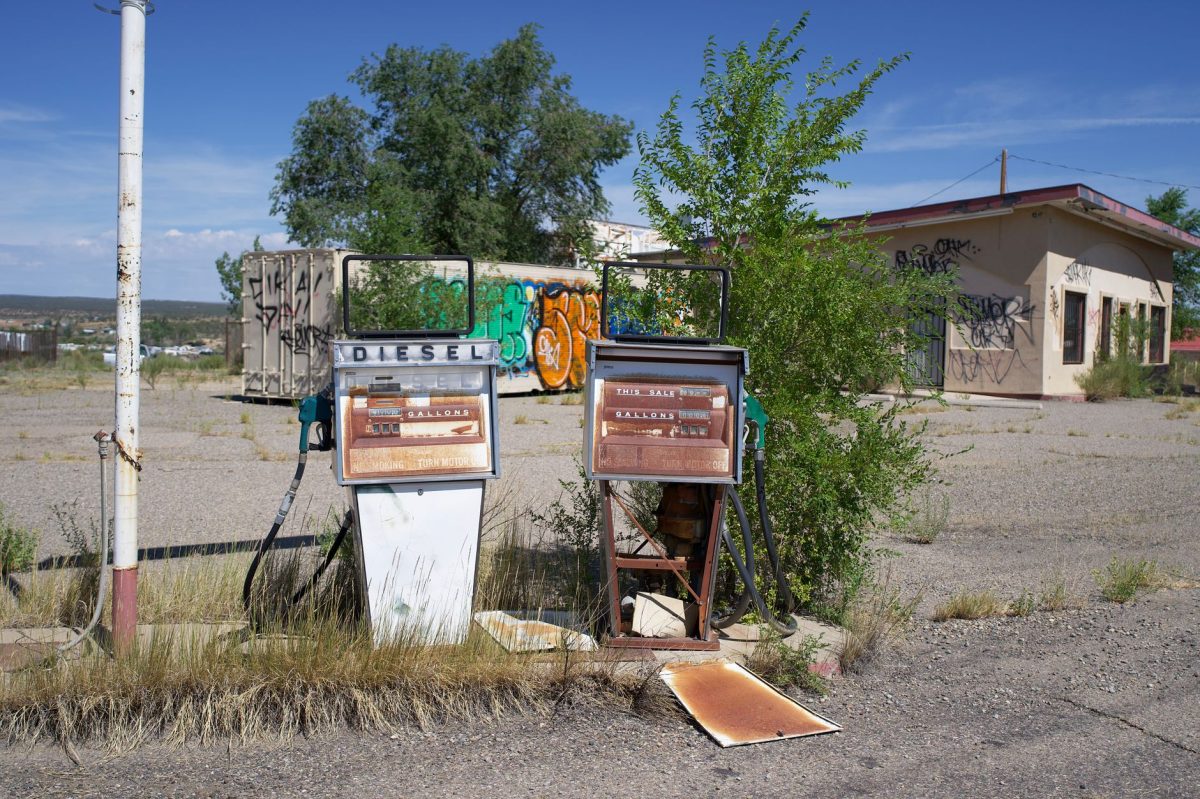
The Pakistan Petroleum Dealers' Association (PPDA) has called off its plans to begin a strike on Saturday after the government approved a proposed revision in the dealers' margins. This decision affects tens of thousands of people who rely on the petroleum dealers for their livelihood. The strike would have led to a shortage of fuel in the country.
What Happened:
The Pakistan Petroleum Dealers' Association (PPDA) had planned to begin a strike on Saturday to protest against the government's decision to impose a reduction in the dealers' margins. However, on Friday, the government approved a proposed revision in the dealers' margins, which led to the PPDA calling off its plans to begin the strike. According to a statement by the PPDA, the government has agreed to increase the dealers' margins by 1.5% from 2% to 3.5%. The PPDA had been demanding this increase for several months, and the government's decision is seen as a major victory for the association. Account to Naveed Chaudhry, General Secretary of PPDA, revealed that the association had been in talks with the government for several weeks and had made significant progress in recent days. Chaudhry stated that the government has agreed to increase the dealers' margins by 1.5% from 2% to 3.5% and has also agreed to provide relief to the dealers in terms of taxes and other expenses.
Why It Matters:
The approval of the proposed revision in the dealers' margins is a significant development for the petroleum dealers in Pakistan. The dealers had been facing financial difficulties due to the reduction in their margins, and the government's decision will help them to increase their revenue. The dealers will now be able to earn more money from the sale of petroleum products, which will help them to improve their livelihoods. The government's decision is also seen as a positive step towards reducing the burden on the dealers, who have been facing significant expenses in terms of taxes and other costs. The approval of the proposed revision in the dealers' margins will also help to stabilize the petroleum market, which has been facing significant volatility in recent months. The petroleum market in Pakistan is a critical sector that provides employment to tens of thousands of people, and the government's decision will help to improve the livelihoods of these workers. In addition, the government's decision will also help to reduce the inflation rate in the country, as the petroleum dealers will now be able to sell petroleum products at a lower cost to the consumers. The government's decision to increase the dealers' margins by 1.5% from 2% to 3.5% will help to reduce the financial burden on the dealers and improve their livelihoods.
“The government's decision to approve the proposed revision in the dealers' margins is a significant victory for the petroleum dealers. It will help to improve their livelihoods and reduce the financial burden on them. We are grateful to the government for taking this decision,”
What We Don't Know Yet:
Despite the government's decision to approve the proposed revision in the dealers' margins, there are still several questions that remain unanswered. One of the major questions is how the dealers will implement the increase in their margins. The dealers will need to adjust their pricing strategy to reflect the increase in their margins, which may lead to a increase in the prices of petroleum products. However, the government has not yet issued any guidelines on how the dealers should implement the increase in their margins. Another question is how the government will monitor the implementation of the increase in the dealers' margins. The government will need to establish a mechanism to monitor the dealers' margins and ensure that they are not exploiting the increase in their margins to increase the prices of petroleum products. The government will also need to establish a mechanism to provide relief to the dealers in terms of taxes and other expenses, which is a critical component of the proposed revision in the dealers' margins. The government's decision to approve the proposed revision in the dealers' margins is a positive step towards improving the petroleum sector, but there are still several challenges that need to be addressed.
What to Watch:
The government's decision to approve the proposed revision in the dealers' margins is a significant development, but there are still several factors that need to be monitored in the coming days. One of the key factors to watch is how the dealers will implement the increase in their margins. The dealers will need to adjust their pricing strategy to reflect the increase in their margins, which may lead to a increase in the prices of petroleum products. The government will also need to monitor the implementation of the increase in the dealers' margins and ensure that the dealers are not exploiting the increase in their margins to increase the prices of petroleum products. Another key factor to watch is how the government will provide relief to the dealers in terms of taxes and other expenses. The government will need to establish a mechanism to provide relief to the dealers, which will help to reduce the financial burden on them. The government will also need to monitor the impact of the proposed revision in the dealers' margins on the overall economy of Pakistan. The government's decision to approve the proposed revision in the dealers' margins is a positive step towards improving the petroleum sector, but there are still several challenges that need to be addressed.
Interestingly, the petroleum sector in Pakistan is one of the most heavily taxed sectors, with taxes accounting for over 50% of the total cost of petroleum products.
The government's decision to approve the proposed revision in the dealers' margins is a significant development that will help to improve the livelihoods of the petroleum dealers and reduce the financial burden on them. The approval of the proposed revision in the dealers' margins will also help to stabilize the petroleum market and reduce the inflation rate in the country. However, there are still several challenges that need to be addressed in order to ensure that the proposed revision is implemented effectively. The government will need to establish a mechanism to monitor the implementation of the increase in the dealers' margins and ensure that the dealers are not exploiting the increase in their margins to increase the prices of petroleum products. The government's decision to approve the proposed revision in the dealers' margins is a positive step towards improving the petroleum sector, but there are still several challenges that need to be addressed.