3.7 Million Afghan Children Left Malnourished as Clinic Closures Increase Vulnerability

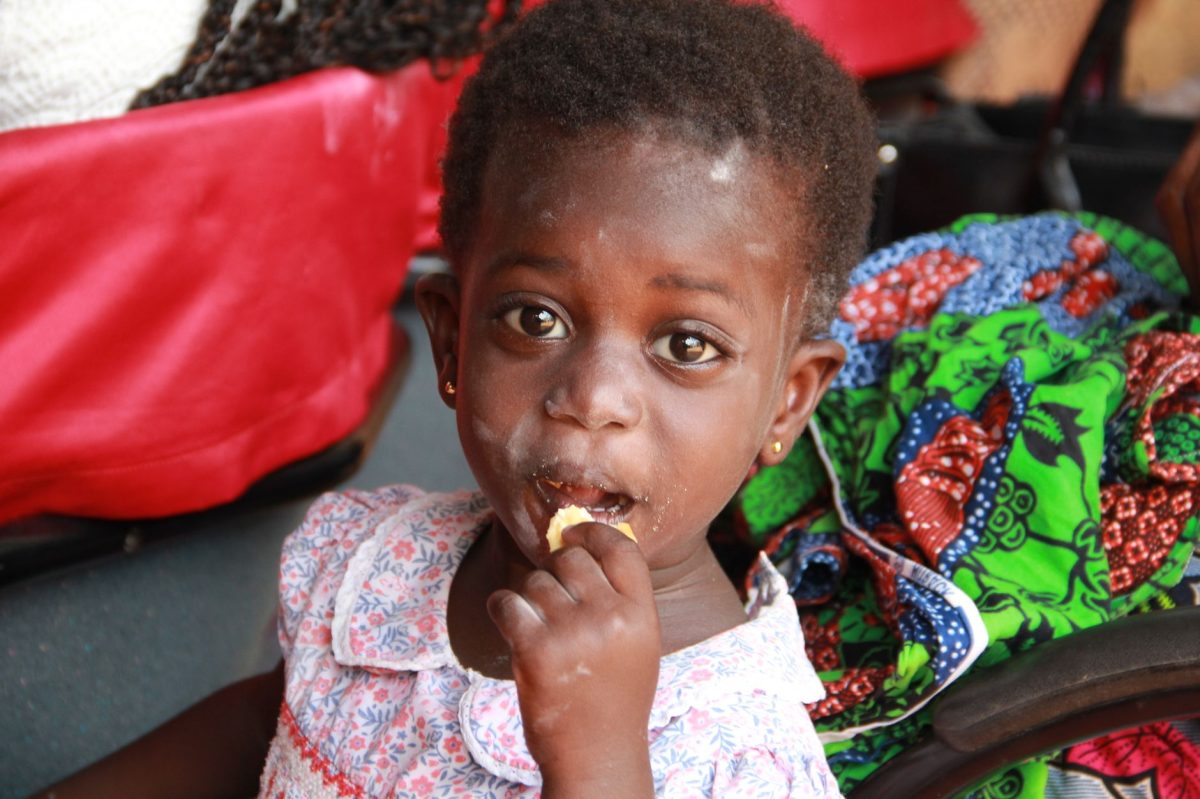
A staggering 3.7 million Afghan children are at risk of severe malnutrition due to the closure of healthcare clinics, leaving a vast majority of the country's population without access to medical care. This alarming trend has significant implications for the future of Afghanistan's most vulnerable population. As the international community struggles to respond to the crisis, the need for effective solutions has become increasingly pressing.
Clinic Closures Exacerbate Afghanistan's Healthcare Crisis
According to Save the Children, the closure of healthcare clinics has left a significant gap in medical services, particularly in rural areas where the majority of Afghanistan's population resides. The organization estimates that one in 10 children in Afghanistan are suffering from acute malnutrition, with the number expected to rise in the coming months. As Dr. Sara Hashem, a pediatrician at the Afghan Red Crescent Society, noted, "The closure of clinics has created a perfect storm for malnutrition to spread rapidly among Afghanistan's children." The situation is further complicated by the ongoing conflict, which has resulted in widespread displacement and destruction of infrastructure. As a result, many families are struggling to access basic medical care, with some traveling long distances to receive treatment. Account to Save the Children, over 70% of healthcare facilities in Afghanistan are not functioning at full capacity, leaving millions without access to essential services.
The Broader Implications of Malnutrition in Afghanistan
The malnutrition crisis in Afghanistan has far-reaching consequences for the country's long-term development and stability. Malnourished children are more susceptible to illnesses, which can lead to a range of complications, including stunted growth, developmental delays, and even death. Moreover, malnutrition can have a lasting impact on a child's cognitive and emotional development, reducing their potential for education and economic productivity. As the World Health Organization (WHO) notes, "Malnutrition is a major contributor to child mortality, accounting for nearly half of all deaths in children under the age of five worldwide." In the context of Afghanistan's fragile economy and conflict-ridden environment, the consequences of malnutrition can be particularly devastating, perpetuating a cycle of poverty and vulnerability that can be difficult to break. Furthermore, the crisis has significant implications for regional stability, as an unstable Afghanistan can have far-reaching consequences for neighboring countries.


“The closure of clinics has created a perfect storm for malnutrition to spread rapidly among Afghanistan's children. We need to act quickly to prevent a humanitarian disaster.”
What We Don't Know Yet
Despite the alarming trends, there are still many unanswered questions surrounding the malnutrition crisis in Afghanistan. One key area of concern is the lack of data on the exact number of malnourished children, with estimates varying widely depending on the source. Additionally, there is a pressing need for more effective solutions to address the root causes of malnutrition, including poverty, conflict, and lack of access to healthcare. As the international community struggles to respond to the crisis, it is essential to acknowledge the limitations of current efforts and to continue exploring innovative solutions to address this complex issue. Furthermore, the role of climate change in exacerbating malnutrition must be better understood and addressed, as the consequences of global warming can have devastating impacts on vulnerable populations.
Key Takeaways
- Over 3.7 million Afghan children are at risk of severe malnutrition due to clinic closures.
- Malnutrition can have long-term consequences for cognitive and emotional development.
- The international community is struggling to respond to the crisis, with limited data and effective solutions.
- Climate change is exacerbating malnutrition in Afghanistan.
- The United Nations is set to release a comprehensive report on the malnutrition crisis.
What to Watch
In the coming days, several key developments will be worth monitoring. The United Nations is set to release a comprehensive report on the malnutrition crisis in Afghanistan, which is expected to provide a detailed analysis of the situation and recommend potential solutions. Additionally, the international community will be holding emergency meetings to discuss the crisis and potential responses, including the deployment of humanitarian aid and the establishment of emergency healthcare facilities. Furthermore, Save the Children is launching a major fundraising campaign to support its emergency response efforts, which will aim to provide critical care to thousands of malnourished children across the country. As the situation continues to unfold, it is essential to remain vigilant and to continue exploring effective solutions to address this pressing issue.
Interestingly, breastfeeding can provide babies with up to 60% of the nutrients they need to combat malnutrition, making it a critical component of addressing the crisis in Afghanistan.
The malnutrition crisis in Afghanistan is a pressing humanitarian issue that requires immediate attention and effective solutions. As the international community continues to respond to the crisis, it is essential to acknowledge the limitations of current efforts and to continue exploring innovative solutions to address this complex issue. By working together, we can help to prevent a humanitarian disaster and ensure that Afghanistan's most vulnerable population receives the care they need to thrive.