Ebola Deaths in DR Congo Surpass 2,000 With Half in Last 20 Days

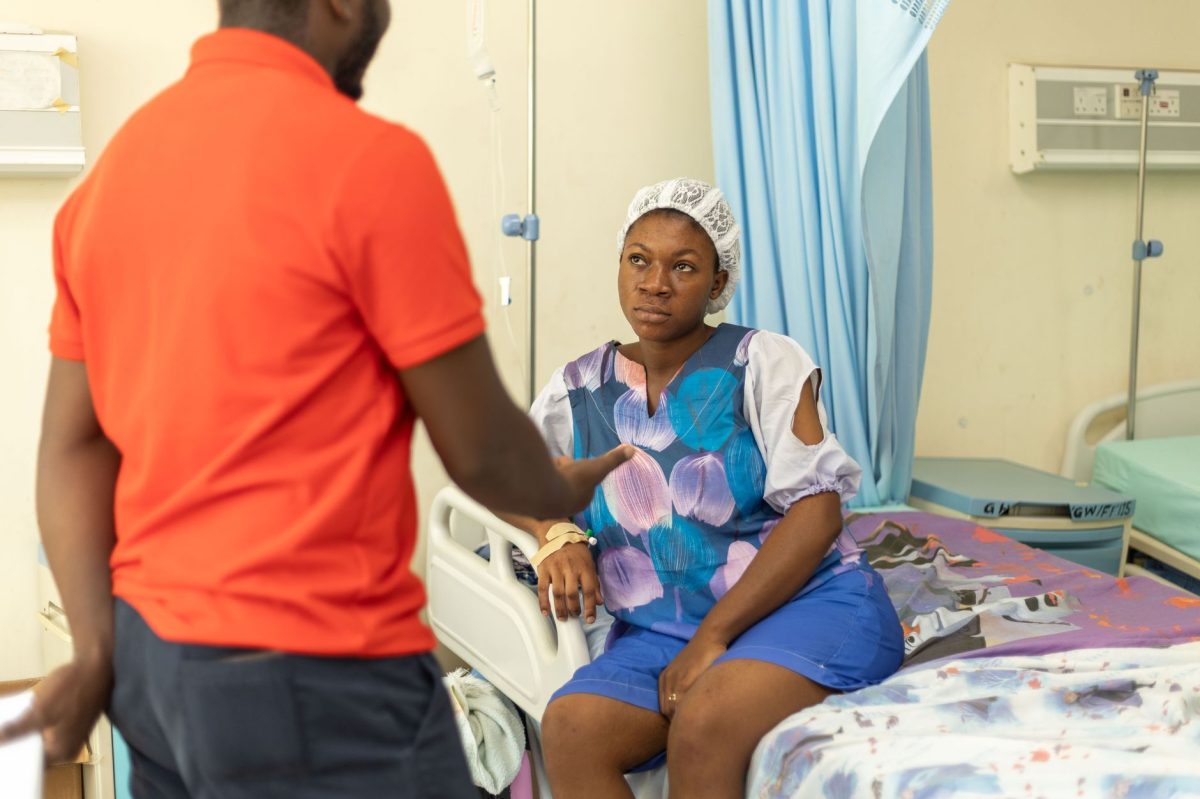
The Ebola outbreak in the Democratic Republic of Congo has claimed over 2,000 lives, with half of those deaths occurring in the last 20 days, highlighting the urgent need for effective interventions and a vaccine to contain the spread of the disease.
UN Reports 2,000 Ebola Deaths in DR Congo, Half in Last 20 Days
According to a report by the United Nations, local officials in the Democratic Republic of Congo have announced that the Ebola virus disease has caused over 2,000 deaths, with half of that number occurring in the last 20 days. This alarming increase in deaths underscores the severity of the outbreak and the need for swift action to prevent further spread of the disease.
Account to UN News, the outbreak has affected several provinces in the Democratic Republic of Congo, including Ituri, North Kivu, and South Kivu. The rapid spread of the disease has overwhelmed local healthcare systems, leading to a shortage of medical supplies and personnel.
As of the latest update, the number of confirmed Ebola cases has surpassed 3,500, with over 2,000 deaths reported. The World Health Organization (WHO) has been working closely with local authorities to contain the outbreak, but the situation remains critical.
In a statement, the WHO Director-General, Dr. Tedros Adhanom Ghebreyesus, emphasized the need for increased support to combat the outbreak: "We urge all countries to provide urgent support to the Democratic Republic of Congo to combat this outbreak," he said. "The situation is dire, and we must act quickly to prevent further spread of the disease."
The WHO has been working tirelessly to develop a vaccine against the Ebola virus, with several candidates in various stages of clinical trials. However, the development and deployment of a vaccine remain a significant challenge, and the WHO has warned that the situation may not improve in the near future.
Why the Ebola Outbreak Matters
The Ebola outbreak in the Democratic Republic of Congo has significant implications for global health security and the well-being of ordinary people. The rapid spread of the disease has highlighted the need for effective interventions, including vaccination, to prevent further outbreaks.
The Ebola virus is highly contagious and can cause severe hemorrhagic fever, leading to significant mortality rates. The disease has no cure, and treatment options are limited, making it a significant public health concern.
The outbreak has also highlighted the need for strengthened healthcare systems, particularly in resource-poor settings. The rapid spread of the disease has overwhelmed local healthcare systems, leading to a shortage of medical supplies and personnel. This has resulted in increased mortality rates and a significant burden on families and communities affected by the outbreak.
The Ebola outbreak has also had a significant economic impact, with trade and commerce disrupted in affected areas. The outbreak has also led to a significant increase in travel restrictions, affecting tourism and economic activity in the region.
The WHO has warned that the Ebola outbreak has the potential to spread to other countries, including neighboring states and even beyond the African continent. This highlights the need for increased global cooperation and support to combat the outbreak.

“We urge all countries to provide urgent support to the Democratic Republic of Congo to combat this outbreak. The situation is dire, and we must act quickly to prevent further spread of the disease," said Dr. Tedros Adhanom Ghebreyesus, WHO Director-General.”
What We Don't Know Yet
Despite the efforts of the WHO and local authorities, there are still several uncertainties surrounding the Ebola outbreak in the Democratic Republic of Congo. One of the significant challenges is the lack of effective treatments for the disease, which has led to increased mortality rates.
Another challenge is the difficulty in tracking the spread of the disease, particularly in resource-poor settings. The rapid spread of the disease has overwhelmed local healthcare systems, making it challenging to track cases and contact tracing.
The WHO has also warned that the Ebola outbreak has the potential to spread to other countries, including neighboring states and even beyond the African continent. This highlights the need for increased global cooperation and support to combat the outbreak.
There are also concerns about the impact of the Ebola outbreak on local communities, particularly in terms of economic and social disruption. The outbreak has led to a significant increase in travel restrictions, affecting tourism and economic activity in the region.
The WHO has warned that the situation may not improve in the near future, highlighting the need for sustained support and cooperation to combat the outbreak.
Key Takeaways
- The Ebola outbreak in the Democratic Republic of Congo has claimed over 2,000 lives, with half occurring in the last 20 days.
- The rapid spread of the disease has overwhelmed local healthcare systems, leading to a shortage of medical supplies and personnel.
- The WHO has warned that the situation may not improve in the near future, highlighting the need for sustained support and cooperation to combat the outbreak.
What to Watch
The situation in the Democratic Republic of Congo remains critical, with the Ebola outbreak showing no signs of abating. The WHO has warned that the situation may not improve in the near future, highlighting the need for sustained support and cooperation to combat the outbreak.
In the next 24-72 hours, the WHO will be working closely with local authorities to contain the outbreak, including deploying additional personnel and medical supplies.
The WHO will also be monitoring the spread of the disease, particularly in resource-poor settings, where the outbreak has been most severe.
The WHO has also warned that the Ebola outbreak has the potential to spread to other countries, including neighboring states and even beyond the African continent. This highlights the need for increased global cooperation and support to combat the outbreak.
The WHO will be working closely with governments and health authorities around the world to develop a coordinated response to the outbreak, including sharing data and best practices to combat the spread of the disease.
Interestingly, the Ebola virus can survive on surfaces for up to 6 days, making infection control a significant challenge.
The Ebola outbreak in the Democratic Republic of Congo is a stark reminder of the need for effective interventions, including vaccination, to prevent further outbreaks. The rapid spread of the disease has highlighted the need for strengthened healthcare systems, particularly in resource-poor settings. The situation remains critical, and the international community must come together to provide sustained support and cooperation to combat the outbreak.