Berlin Real Estate Project Threatens Remaining Hitler Bunker Remains

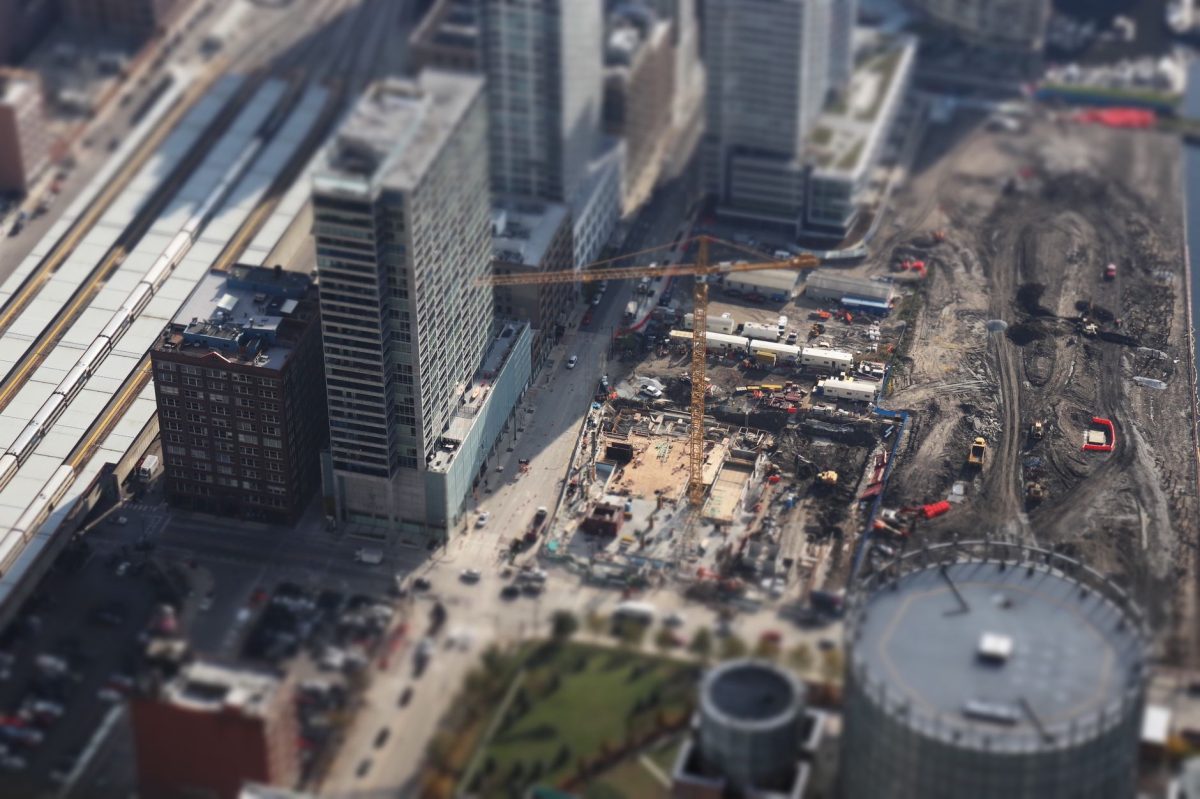
A long-abandoned bunker beneath the site of the former Nazi-era New Chancellery in Berlin is facing potential destruction due to a new real estate project, highlighting the ongoing struggle to preserve the city's sensitive historical sites.
Construction of Real Estate Project Nears Hitler Bunker Remains
According to an account to the Berliner Zeitung, the construction project near the site of the former New Chancellery, where Adolf Hitler and other high-ranking Nazi officials once resided, is slated to begin next month. The site, which served as the administrative center of the Nazi regime, has long been a subject of fascination and controversy. Despite being destroyed in the final days of World War II, remnants of the bunker still exist beneath the site, including a section that has been preserved as a historical landmark. The preserved section is currently inaccessible to the public, a fact that has led to increasing concerns about the potential impact of the real estate project on the remaining bunker remains. In a statement to the press, a spokesperson for the construction company involved in the project claimed that efforts would be made to preserve the historical site, but critics have questioned the sincerity of these claims, citing a history of hasty and insensitive development in the city. As the construction project draws near, many are left wondering what the future holds for the remaining Hitler bunker remains, and whether they will be protected for future generations to learn from.
Why Preservation Matters: The Significance of Historical Sites
The preservation of historical sites like the Hitler bunker is crucial for several reasons. Firstly, these sites serve as tangible connections to the past, allowing us to learn from the mistakes of history and gain a deeper understanding of the complexities of human nature. Secondly, the destruction of these sites can have a profound impact on the collective memory of a society, erasing vital pieces of history and threatening the very fabric of our shared identity. In the case of the Hitler bunker, the preservation of the site would not only serve as a poignant reminder of the atrocities committed during World War II but also provide a unique opportunity for educational and cultural exchange. Furthermore, the preservation of historical sites like this one can also have economic benefits, as they can attract tourists and contribute to the local economy. In Berlin, tourism has become a significant industry, with millions of visitors flocking to the city each year to experience its rich history and culture.

“The preservation of historical sites like the Hitler bunker is not just about preserving the physical structure but also about preserving the memories and experiences of those who lived through this period in history. It's a way of honoring the past while also learning from it.”
What We Don't Know Yet: Uncertainty and Concerns
Despite the growing concerns about the potential impact of the real estate project on the Hitler bunker remains, there are still many unanswered questions. One of the main concerns is the potential for the construction project to damage the remaining bunker remains, either intentionally or unintentionally. Another concern is the lack of transparency surrounding the project, with many questioning the sincerity of the construction company's claims to preserve the historical site. Additionally, there are concerns about the potential impact on the local community, including the disruption of historical sites and the potential for the area to become overdeveloped. As the construction project draws near, many are left wondering what the future holds for the remaining Hitler bunker remains, and whether they will be protected for future generations to learn from.
What to Watch: Key People and Outcomes
As the real estate project moves forward, several key people and outcomes will be worth monitoring. Firstly, the construction company involved in the project will be under close scrutiny, with many questioning their sincerity in preserving the historical site. Secondly, the city of Berlin will be watching closely, as the preservation of historical sites is a key concern for the city's cultural and historical institutions. Finally, the local community will be impacted, with many residents expressing concerns about the potential disruption of historical sites and the potential for overdevelopment in the area. In the coming weeks and months, it will be essential to monitor the progress of the project and the involvement of key stakeholders, including the construction company, the city of Berlin, and local residents.
Despite being inaccessible to the public, the preserved section of the Hitler bunker has been the subject of numerous urban legends and myths, with some claiming that it is still possible to access the bunker through hidden tunnels and secret entrances. However, these claims have been largely debunked by experts, who point out that the bunker has been thoroughly explored and documented over the years. Nevertheless, the mystery and intrigue surrounding the Hitler bunker remains a source of fascination for many people, and continues to capture the imagination of historians and enthusiasts alike. Interestingly, the Hitler bunker is not the only historical site in Berlin that is inaccessible to the public, with many other sites also being closed off