Inside The Ugandan Widows' Land Rights Crisis The Media Buried — A Crisis of Enforcement, Awareness, and Institutional Practice

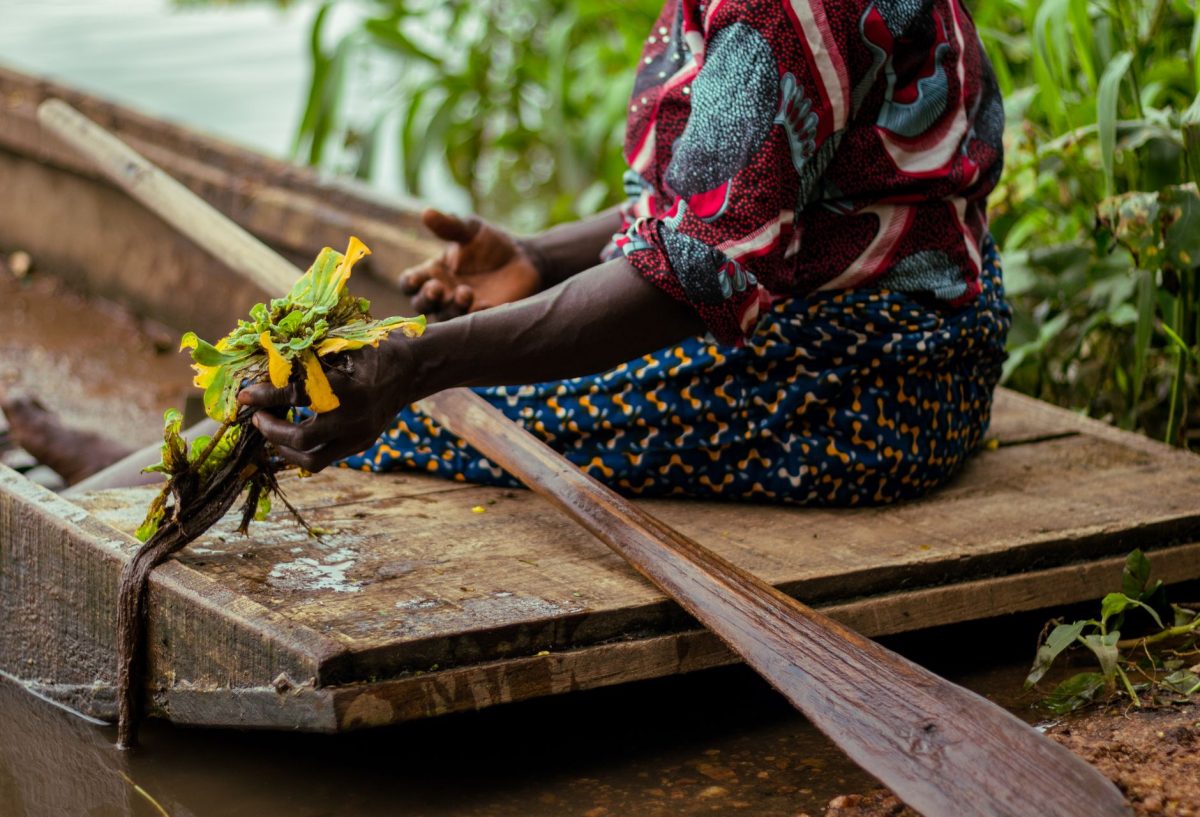
A recent report by The Independent (Kampala) highlights the struggles faced by Uganda's widows in accessing their land rights, a crisis that has been exacerbated by a lack of enforcement, awareness, and institutional practice. The report underscores the need for a more comprehensive approach to addressing the issue, one that goes beyond mere legislative reform. This crisis matters because it affects the livelihoods and well-being of thousands of women in Uganda, many of whom have been left vulnerable by the loss of their husbands.
Uganda's Widows Face Land Rights Crisis, Despite Existing Laws
According to The Independent (Kampala), the Uganda Land Act of 1998 and the Succession Act of 1796 provide for the protection of widows' land rights. However, the reality on the ground is far from ideal. Many widows are still being forced to leave their homes, with some facing violence and harassment from their in-laws or other family members. The report cites the case of Jane Anyango, a widow from the eastern region of Uganda, who was forced to leave her home after her husband's family claimed the land. 'I was left with nothing,' Anyango told The Independent (Kampala). 'I had to sell my livestock and other assets to survive. It was a difficult time for me and my children.' The report also highlights the lack of awareness among widows about their land rights, with many unaware of the laws that protect them. This lack of awareness is compounded by the institutional practice of favoring male family members over female relatives in the distribution of land. 'It's a patriarchal society, and women are often seen as secondary to men,' said Margaret Muhanga, a senior researcher at the Uganda Women's Network. 'This is reflected in the way land is distributed, with men often getting priority over women.'
Why the Crisis Matters
The crisis faced by Uganda's widows has far-reaching implications for the country's development. It affects the livelihoods of thousands of women, many of whom are now forced to live in poverty. The lack of access to land also undermines the country's efforts to promote economic growth and development. Furthermore, the crisis highlights the need for a more inclusive approach to land reform, one that takes into account the needs of women and other marginalized groups. 'The current system is not working for women,' said Muhanga. 'We need to find ways to ensure that women have equal access to land and other resources.'

“'The current system is not working for women. We need to find ways to ensure that women have equal access to land and other resources.' - Margaret Muhanga, senior researcher at the Uganda Women's Network.”
What We Don't Know Yet
Despite the efforts of organizations like the Uganda Women's Network, there is still much that is not known about the crisis faced by Uganda's widows. One major gap is the lack of data on the number of widows who are affected by the crisis. While estimates suggest that thousands of women are involved, there is no concrete data to support this claim. Furthermore, there is a need for more research on the impact of the crisis on the country's development. This would help to inform policy and programmatic interventions aimed at addressing the issue. 'We need to do more research on the effects of the crisis on women's livelihoods and the country's development,' said Muhanga. 'This would help us to develop targeted interventions that address the root causes of the crisis.'
What to Watch
In the coming weeks and months, several key developments will be worth monitoring. One is the government's response to the crisis. Will it take steps to address the issue, or will it remain in denial? Another is the work of organizations like the Uganda Women's Network, which is advocating for the rights of widows. Will they be able to secure a more favorable outcome for women, or will they face resistance from powerful interests? Finally, there is the potential for a change in the country's laws, which could have a significant impact on the lives of Uganda's widows. Will the government take steps to amend the laws, or will it maintain the status quo?
Despite the challenges they face, many widows in Uganda are finding innovative ways to access land and other resources, including through collective ownership and community-led initiatives.
The crisis faced by Uganda's widows is a complex issue that requires a comprehensive approach. While there have been efforts to address the issue, more needs to be done to ensure that women have equal access to land and other resources. Ultimately, the solution lies in a more inclusive approach to land reform, one that takes into account the needs of women and other marginalized groups. Only then can the country's widows truly have the security and stability they deserve.