Taiwan Deploys 'Hellscape' Strategy to Counter China with Drone Fleets

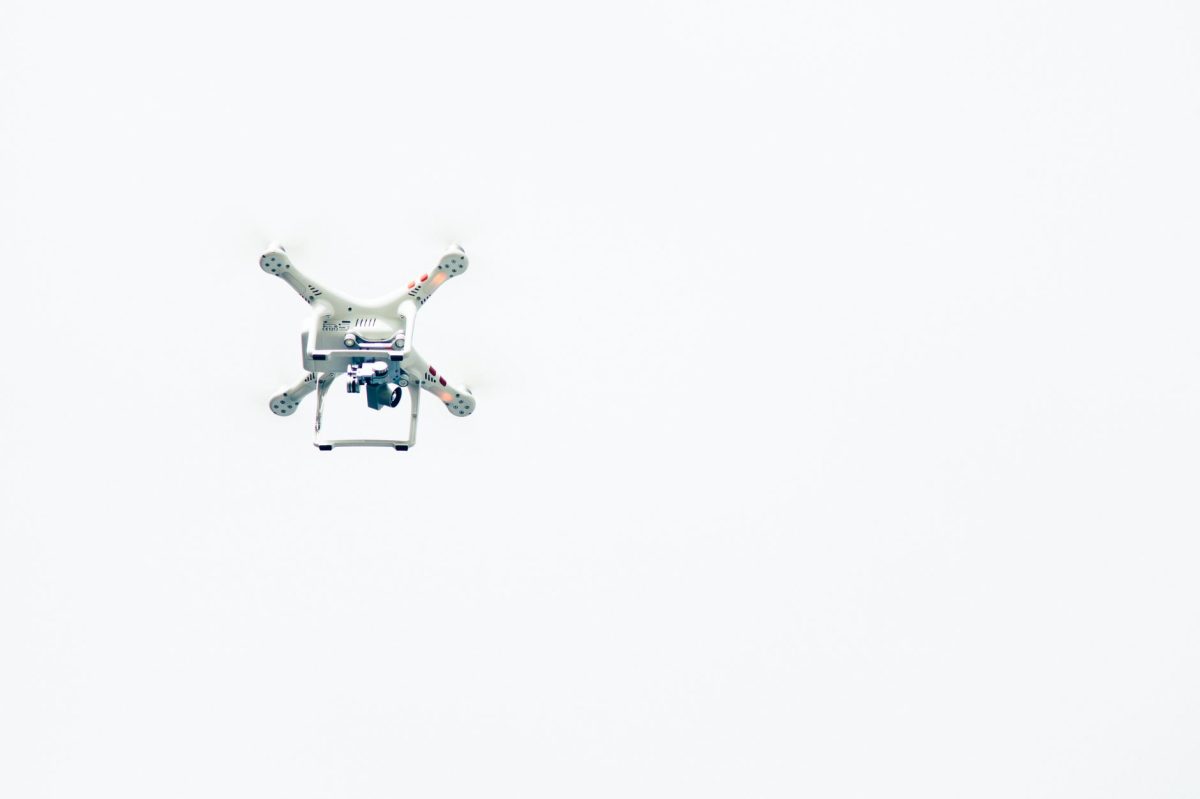
Taiwan is set to unveil a massive drone fleet, drawing lessons from Ukraine's successful drone warfare against Russia, in a bid to deter a potential Chinese invasion. This 'hellscape' strategy, as described by Taiwan's defense officials, aims to overwhelm enemy forces in a densely populated region like Taiwan. The implications of this move cannot be overstated, as it may set a precedent for future conflicts in the Asia-Pacific region.
Rapid Expansion of Drone Fleets
According to Colonel Lee, a spokesperson for Taiwan's Air Force, the island nation plans to increase its drone production capacity to 100,000 units annually by 2025. This ambitious target is part of Taiwan's broader effort to strengthen its defense capabilities in the face of an increasingly assertive China. Taiwan has already begun deploying its drone forces, with a focus on swarming tactics that could overwhelm enemy defenses. As reported by the Taipei Times, the Taiwanese military has been conducting regular drone operations, including night-time sorties, to test its capabilities. Colonel Lee revealed that Taiwan's drone fleet is expected to consist of various models, including reconnaissance, combat, and logistics drones. 'We want to create a hellscape for the enemy,' Colonel Lee said, 'a place where they cannot hide or escape.' Taiwan's drone strategy draws inspiration from Ukraine's successful use of drones in its war against Russia, where drones played a key role in disrupting Russian supply lines and targeting key infrastructure. 'We are learning from the Ukrainians,' Colonel Lee added. 'Their experience has given us valuable insights into how to use drones effectively in a densely populated region like Taiwan.' Taiwan's defense officials believe that its drone forces can provide a critical edge in a potential conflict with China, where the enemy's advantage in numbers and firepower could be countered by the Taiwanese military's ability to swarm and overwhelm enemy defenses. As reported by the Asia Times, Taiwan is also investing heavily in AI-powered drones, which can provide real-time intelligence and facilitate more effective drone operations. Taiwan's drone strategy is part of a broader effort to modernize its military, which includes the acquisition of new fighter jets and the development of cyber warfare capabilities.
The Broader Implications of Taiwan's Drone Strategy
The implications of Taiwan's drone strategy extend beyond the island nation itself, as it may set a precedent for future conflicts in the Asia-Pacific region. The use of swarming tactics and AI-powered drones could revolutionize the way nations approach warfare, particularly in densely populated areas. As observed by security analyst, Dr. Ian Easton, 'Taiwan's drone strategy is a game-changer for the region. It shows that even a relatively small country can develop effective drone capabilities and use them to counter a more powerful adversary.' The Taiwanese military's emphasis on swarming tactics could also inspire other nations to adopt similar strategies, which could have significant implications for the future of warfare. Additionally, Taiwan's investment in AI-powered drones could accelerate the development of autonomous warfare capabilities, raising important questions about the role of human decision-making in modern warfare. As observed by Dr. Easton, 'The use of AI-powered drones in Taiwan's military could set a precedent for the use of autonomous systems in future conflicts, potentially altering the nature of warfare itself.'

“'We want to create a hellscape for the enemy, a place where they cannot hide or escape.' - Colonel Lee, spokesperson for Taiwan's Air Force”
Uncertainty and Questions Surrounding Taiwan's Drone Strategy
While Taiwan's drone strategy has garnered significant attention, there are still many questions surrounding its effectiveness and implications. One key concern is the potential for China to develop countermeasures to Taiwan's drone forces, which could render them ineffective in a conflict. Additionally, the use of swarming tactics and AI-powered drones raises important questions about the role of human decision-making in modern warfare. As observed by Dr. Easton, 'The use of AI-powered drones in Taiwan's military could set a precedent for the use of autonomous systems in future conflicts, potentially altering the nature of warfare itself.' Furthermore, the Taiwanese military's emphasis on drone development may divert resources away from other critical areas, such as cybersecurity and conventional military capabilities. As reported by the Taipei Times, some critics have raised concerns about the Taiwanese military's ability to effectively integrate its drone forces into its broader military strategy. 'We need to be careful not to over-rely on drones,' said one Taiwanese defense official. 'We need to ensure that our drone forces are integrated into a broader military strategy that takes into account the complexities of modern warfare.'
What to Watch in the Coming Days
In the coming days, several key developments will provide insight into the effectiveness of Taiwan's drone strategy. One critical area to monitor is the Taiwanese military's ability to integrate its drone forces into its broader military strategy. As reported by the Asia Times, Taiwan is expected to unveil a new drone command center, which will oversee the deployment of its drone forces. Additionally, the Taiwanese military will continue to conduct regular drone operations, including night-time sorties, to test its capabilities. The Chinese military will also be watching Taiwan's drone strategy closely, as it seeks to develop effective countermeasures to Taiwan's drone forces. As observed by Dr. Easton, 'China will likely try to develop countermeasures to Taiwan's drone forces, which could render them ineffective in a conflict.'
The first recorded use of drones in warfare was in 1916, when the British used unmanned aerial vehicles to spy on enemy trenches during World War I.
In conclusion, Taiwan's drone strategy represents a significant shift in the island nation's military approach, drawing inspiration from Ukraine's successful use of drones in its war against Russia. While the implications of this strategy are far-reaching, it is essential to approach this story with a critical and nuanced perspective, recognizing the complexities and uncertainties surrounding modern warfare. As the Taiwanese military continues to develop and deploy its drone forces, the world will be watching closely, eager to see how this strategy plays out in the coming months and years.