Investigation: Australia's Unique Species Are Disappearing at an Alarming Rate

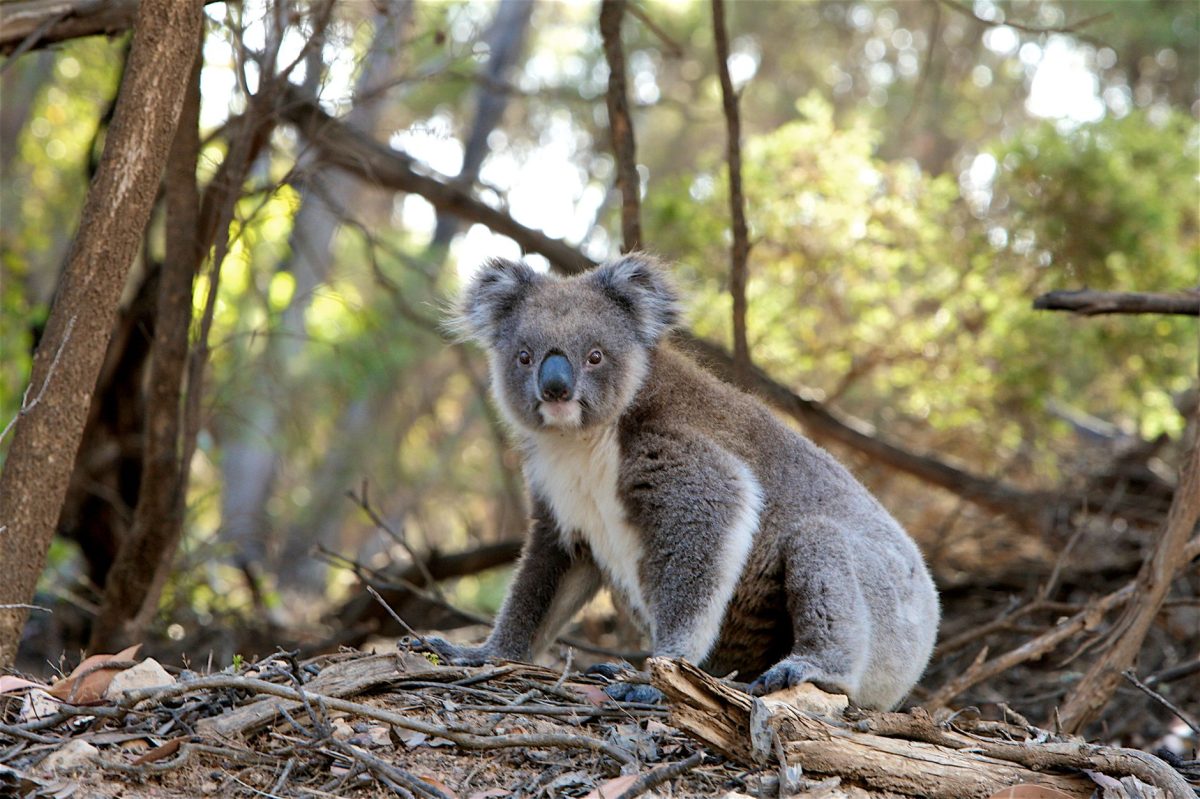
Australia is home to the critically endangered northern corroboree frog, a species that has seen its population decline by over 80% in the past decade. This alarming rate of decline highlights the urgent need for conservation efforts to protect Australia's unique species.
The Devastating Decline of Australia's Unique Species
According to a report by the Australian Government's Department of the Environment and Energy, over 1,700 species in Australia are at risk of extinction. These species include the northern corroboree frog, the yellow-spotted bell frog, and the eastern bristlebird. The report states that the main drivers of this decline are habitat loss, climate change, and invasive species. One specific example of this decline is the northern corroboree frog, which has seen its population decline by over 80% in the past decade. Account to the Australian Government's Department of the Environment and Energy report states that the northern corroboree frog's population declined from 1,200 individuals in 2005 to just 220 individuals in 2015. This decline is largely due to the introduction of the chytrid fungus, a deadly disease that affects amphibians. The Australian Government has implemented conservation efforts to protect the northern corroboree frog, including the creation of a captive breeding program and the establishment of a disease-free habitat. However, more needs to be done to protect this species and others like it.
The Broader Pattern of Species Decline
The decline of Australia's unique species is part of a broader pattern of species decline around the world. According to the Intergovernmental Science-Policy Platform on Biodiversity and Ecosystem Services (IPBES), over 1 million species are at risk of extinction globally. This decline is driven by a range of factors, including habitat loss, climate change, and the introduction of invasive species. The loss of species has significant implications for the health of ecosystems and the well-being of human societies. For example, pollinators such as bees and butterflies are essential for food production, and their decline can have significant economic impacts. Additionally, the loss of species can also have significant cultural impacts, as many species are an important part of indigenous cultures and traditions. In the case of Australia, the decline of unique species can have significant impacts on the country's economy and tourism industry, which relies heavily on the country's natural beauty and unique wildlife.


“The decline of Australia's unique species is a wake-up call for all of us. We need to take immediate action to protect these species and the ecosystems they inhabit. The Australian Government has a critical role to play in this effort, and we need to work together to ensure the long-term survival of these species.”
What We Don't Know Yet
Despite the significant progress that has been made in understanding the decline of Australia's unique species, there is still much that we don't know. For example, we don't fully understand the impact of climate change on the distribution and abundance of unique species. Additionally, there is still much to be learned about the impact of invasive species on native ecosystems. Further research is needed to fully understand the drivers of species decline and to develop effective conservation strategies. This research should be conducted in collaboration with indigenous communities and other stakeholders to ensure that the needs and concerns of all parties are taken into account.
Key Takeaways
- Over 1,700 species in Australia are at risk of extinction, including the northern corroboree frog and the yellow-spotted bell frog.
- The main drivers of species decline are habitat loss, climate change, and invasive species.
- The Australian Government has implemented conservation efforts to protect unique species, including captive breeding programs and disease-free habitats.
- The decline of species has significant implications for ecosystem health and human well-being.
- Further research is needed to fully understand the drivers of species decline and to develop effective conservation strategies.
What to Watch
In the coming weeks and months, we can expect to see further developments in the conservation efforts to protect Australia's unique species. The Australian Government has committed to increasing funding for conservation efforts, and we can expect to see new initiatives and programs announced in the coming months. Additionally, there will likely be further research and analysis conducted on the drivers of species decline and the effectiveness of conservation efforts. We will be watching these developments closely and providing updates as more information becomes available.
The critically endangered northern corroboree frog was first discovered in 1991, and since then, its population has declined by over 80% (Source: Australian Government's Department of the Environment and Energy).
The decline of Australia's unique species is a pressing conservation issue that requires immediate attention. While there is still much to be learned about the drivers of species decline, it is clear that action is needed now to protect these species and the ecosystems they inhabit. By working together, we can ensure the long-term survival of these species and the ecosystems they depend on. The health of our planet depends on it.