Ask: Why Is NASA Focusing on Solar Array Installation for the ISS?

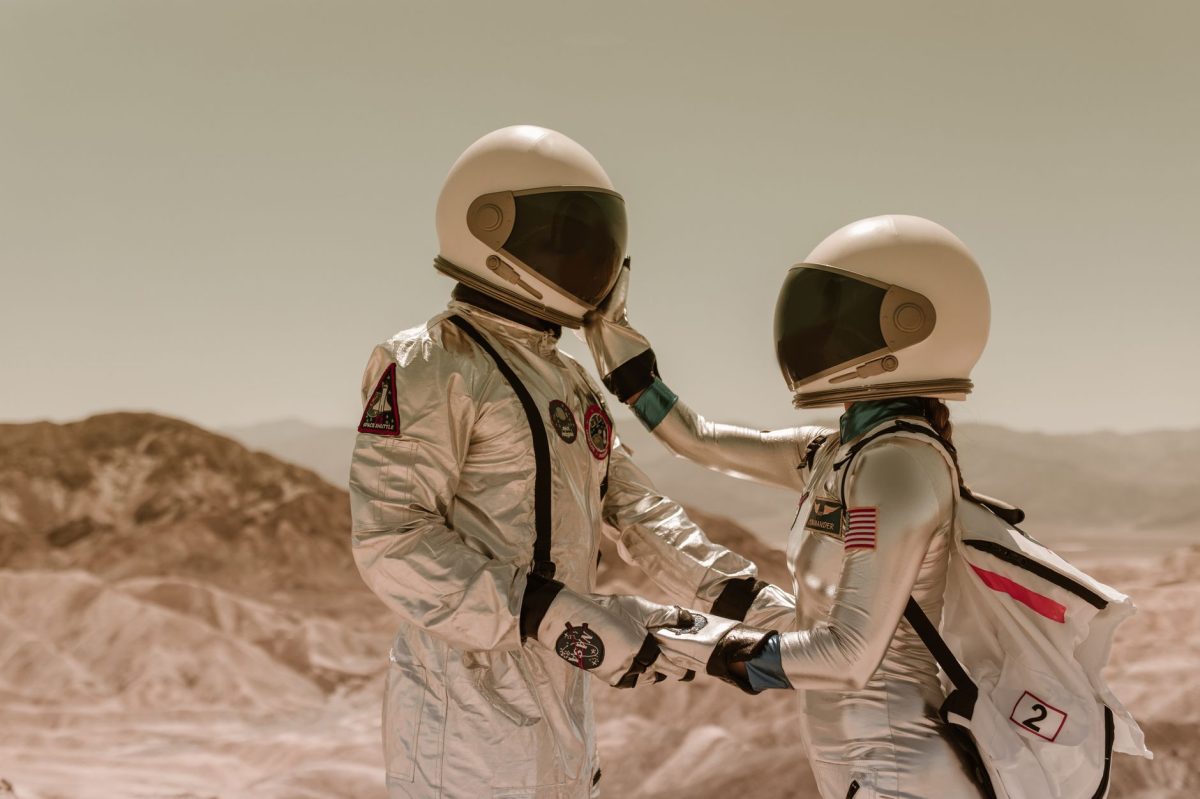
NASA astronauts Anil Menon and Jessica Meir spent 6.5 hours outside the International Space Station (ISS) on July 20, installing a mounting hardware for the future addition of solar arrays. This spacewalk is significant because it highlights NASA's ongoing efforts to upgrade the ISS's power generation capacity, which is crucial for continued human presence in space.
Astronauts Complete Spacewalk to Install Solar Array Mounting Hardware
According to NASA, astronauts Anil Menon and Jessica Meir ventured outside the ISS on July 20 as part of Extravehicular Activity (EVA) 84. The spacewalk lasted for 6 hours and 28 minutes, during which the astronauts installed a mounting hardware for the future addition of solar arrays. This hardware will serve as a foundation for the new solar arrays, which will significantly increase the ISS's power generation capacity. In an interview with NASA, Anil Menon mentioned that the spacewalk was a success, with both astronauts completing their tasks efficiently. Menon highlighted the importance of the spacewalk in upgrading the ISS's power generation capacity, which is crucial for continued human presence in space. The mounting hardware installed by the astronauts will provide a stable and secure platform for the new solar arrays, ensuring a reliable power supply for the ISS. The spacewalk was monitored by Mission Control at NASA's Johnson Space Center in Houston, Texas. Mission Control received and acknowledged the astronauts' status updates and provided guidance as needed.
Why Upgrading the ISS's Power Generation Capacity Matters
The ISS's power generation capacity is a critical aspect of its operation. The space station relies on solar arrays to generate electricity, which is used to power its systems, including life support, communication, and scientific equipment. As the ISS continues to host astronauts and conduct scientific research, its power generation capacity needs to be upgraded to meet the increasing demand. Upgrading the ISS's power generation capacity will not only ensure a reliable power supply but also provide a sustainable and efficient means of powering the space station. This, in turn, will enable NASA to extend its presence in space, paving the way for future deep space missions. The upgrade will also provide opportunities for scientific research, such as studying the effects of prolonged exposure to space radiation on living organisms. Furthermore, the upgraded power generation capacity will enable the ISS to support more advanced scientific equipment, such as larger telescopes and more complex experiments. NASA's plans to upgrade the ISS's power generation capacity are part of its broader strategy to establish a sustainable human presence in space. This strategy involves developing the necessary technologies and infrastructure to support long-term space missions, including in-orbit assembly and manufacturing, and advanced life support systems.


“Upgrading the ISS's power generation capacity is crucial for continued human presence in space. We need to ensure that we have a reliable and sustainable power supply to support our astronauts and scientific research,”
What We Don't Know Yet
While the spacewalk was a success, there are still many questions surrounding the future of the ISS's power generation capacity. One of the key uncertainties is the timeline for the installation of the new solar arrays. NASA has not yet announced a specific timeline for the installation, but it is expected to take place in the near future. Another uncertainty is the extent to which the upgraded power generation capacity will impact the ISS's operations. Will the increased power generation capacity enable the ISS to support more advanced scientific equipment, or will it simply provide a more reliable power supply? These questions will be answered in the coming months and years as NASA continues to upgrade the ISS's power generation capacity. Additionally, the impact of the upgraded power generation capacity on the ISS's operations will be closely monitored by NASA and its international partners. The ISS's power generation capacity is a complex system, and any changes will require careful planning and execution.
Key Takeaways
- NASA astronauts Anil Menon and Jessica Meir completed a 6.5-hour spacewalk to install a mounting hardware for future solar arrays on the ISS.
- The spacewalk was part of a broader effort to upgrade the ISS's power generation capacity, which is crucial for continued human presence in space.
- The installation of the new solar arrays is expected to take place in the near future, but NASA has not yet announced a specific timeline.
- Upgrading the ISS's power generation capacity will provide a reliable and sustainable power supply to support astronauts and scientific research.
- The upgraded power generation capacity will be a critical component of NASA's plans for a sustainable human presence in space.
What to Watch
In the coming weeks and months, NASA will be closely monitoring the installation of the new solar arrays and the impact of the upgraded power generation capacity on the ISS's operations. Watch for updates on the installation timeline, as well as any changes to the ISS's operations and scientific research programs. Additionally, pay attention to any announcements from NASA regarding the future of the ISS and its power generation capacity. The upgraded power generation capacity will be a critical component of NASA's plans for a sustainable human presence in space. As the ISS continues to evolve and upgrade its systems, we can expect to see new and exciting developments in the coming years.
The ISS's solar arrays generate enough electricity to power 40 homes on Earth, according to NASA.
The spacewalk completed by astronauts Anil Menon and Jessica Meir was a significant milestone in the ongoing efforts to upgrade the ISS's power generation capacity. While there are still many uncertainties surrounding the future of the ISS's power generation capacity, one thing is clear: the upgrade will be a critical component of NASA's plans for a sustainable human presence in space. As we look to the future, it is clear that the ISS will continue to play a vital role in advancing our understanding of space and its potential for human exploration and development.