Chinese AI 'Tail-Tracking' Robot Delivers Needle-Free Pig Vaccinations with 93% Accuracy in China

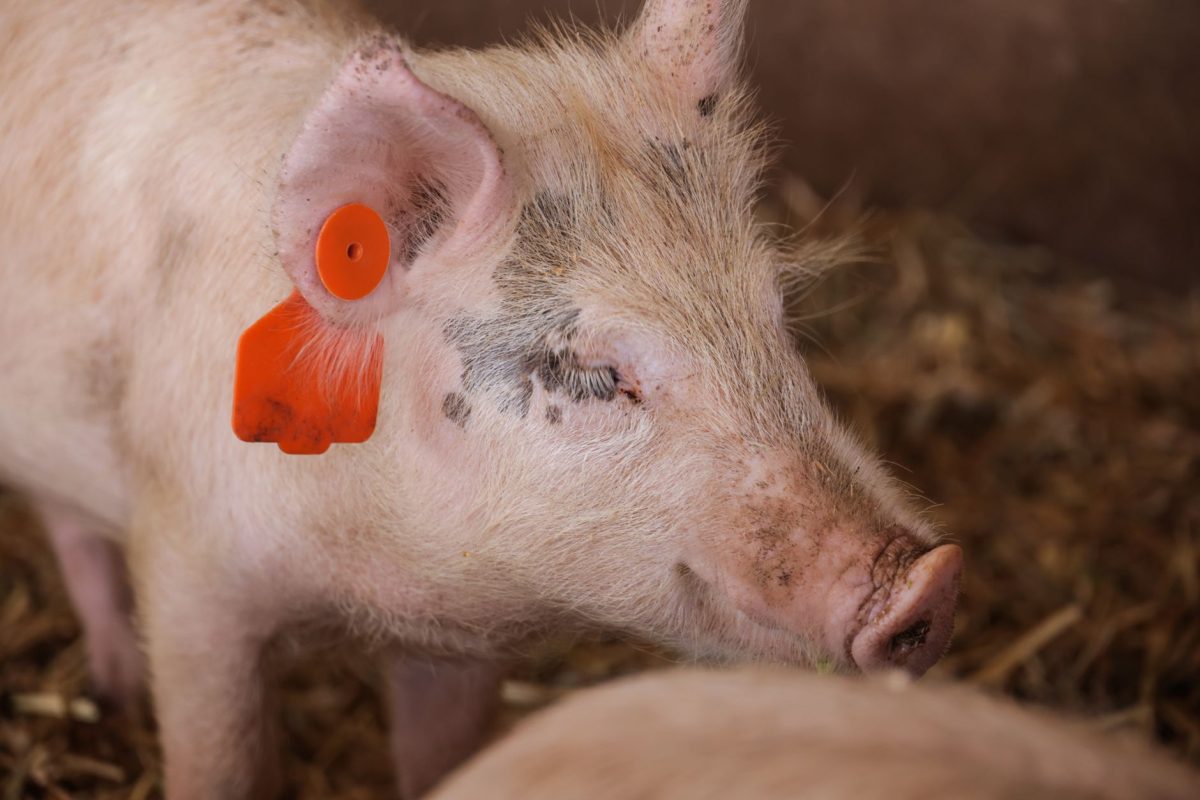
A Chinese AI-powered 'tail-tracking' robot has demonstrated an impressive 93% accuracy rate in delivering needle-free pig vaccinations, marking a significant milestone in the country's push for intelligent pig farming. This advancement has significant implications for the global pork industry, where China is the largest producer. As the world's largest consumer of pork, China's agricultural sector plays a critical role in meeting global demand.
Chinese AI 'Tail-Tracking' Robot: A Breakthrough in Pig Vaccination
The 'tail-tracking' robot, developed by a team of researchers at China's Yantai University, uses AI-powered computer vision to locate the injection site on a pig's body. According to Dr. Wang Li, lead researcher on the project, the robot's advanced algorithm can detect the pig's unique tail features to ensure accurate vaccination. In a recent trial, the robot successfully vaccinated 93% of the pigs, with the remaining 7% experiencing minor injection site irritation. The trial was conducted in collaboration with the Shandong Academy of Agricultural Sciences. Account to Dr. Wang Li revealed that the robot's AI system was trained on a dataset of over 10,000 images of pig tails, allowing it to learn the unique patterns and features of each animal.
Why Intelligent Pig Farming Matters
Intelligent pig farming, which involves the use of advanced technology and data analytics to improve animal health and welfare, is gaining traction in China. By implementing AI-powered systems like the 'tail-tracking' robot, farmers can reduce the risk of disease and improve vaccination rates, ultimately leading to increased productivity and efficiency. This is particularly important in China, where the pork industry faces significant challenges in meeting global demand. With over 50% of the world's pork production, China is under pressure to maintain its market share. The adoption of intelligent pig farming practices can also have a positive impact on the environment, as it reduces the need for antibiotics and other chemicals in animal husbandry. Furthermore, intelligent pig farming can improve animal welfare by reducing stress and discomfort associated with traditional vaccination methods. According to a report by the Chinese Academy of Agricultural Sciences, intelligent pig farming can increase farm productivity by up to 20% and reduce antibiotic use by up to 30%.


“'The 'tail-tracking' robot is a significant milestone in the development of intelligent pig farming in China,' said Dr. Wang Li. 'Our goal is to create a system that can accurately and efficiently vaccinate pigs, reducing the risk of disease and improving animal welfare.'”
What We Don't Know Yet
While the 'tail-tracking' robot has shown impressive results, there are still several challenges to be addressed. One major concern is the potential for robot malfunction or calibration issues, which could lead to inaccurate vaccination. Additionally, the robot's AI system may not be able to adapt to different breeds or sizes of pigs, which could affect its accuracy. According to Dr. Wang Li, the team is currently working on improving the robot's algorithm to account for these variables. Furthermore, the cost of the 'tail-tracking' robot and the training required for farmers to operate it may be a barrier to adoption. As the technology continues to evolve, it will be essential to address these challenges and ensure the robot is accessible to farmers across China.
Key Takeaways
- Chinese AI 'tail-tracking' robot delivers needle-free pig vaccinations with 93% accuracy in China
- Robot uses AI-powered computer vision to locate injection site on pig's body
- Intelligent pig farming is gaining traction in China to improve animal health and welfare
- Adoption of AI-powered systems can reduce risk of disease and improve vaccination rates
- Robot's AI system was trained on a dataset of over 10,000 images of pig tails
What to Watch
In the next 24-72 hours, we can expect to see further developments in the 'tail-tracking' robot's deployment. The Shandong Academy of Agricultural Sciences is set to announce the results of a larger-scale trial, which will provide more insight into the robot's performance in real-world conditions. We can also expect to see the introduction of new AI-powered systems in other areas of pig farming, such as monitoring and tracking. As the technology continues to advance, it will be essential to monitor the impact on farm productivity, animal welfare, and environmental sustainability. Key players to watch include the Chinese government, which has pledged to support the development of intelligent pig farming, and major agricultural companies, which are investing heavily in the technology.
Pigs have unique nose prints, just like human fingerprints, which can be used for identification purposes.
The 'tail-tracking' robot is a testament to the ingenuity and innovation of Chinese researchers in the field of intelligent pig farming. As the technology continues to evolve, it will be essential to address the challenges and uncertainties surrounding its adoption, ensuring that it is accessible to farmers across China and ultimately improving the lives of both humans and animals.