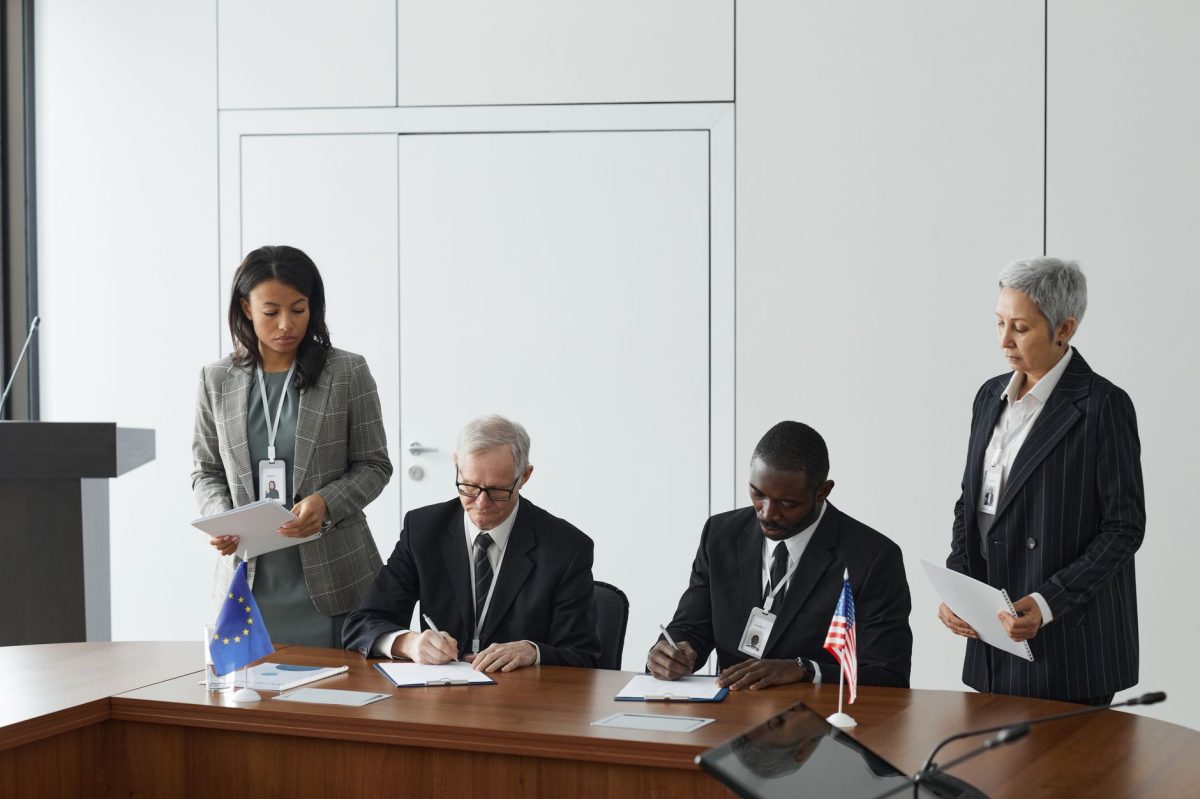
Iraq Faces Crisis as Shia Armed Groups Refuse to Disarm by September 30 Deadline

The Iraqi government has given Shia armed groups a September 30 deadline to disarm, but the groups have refused, sparking a potential crisis for Prime Minister Mohammed Shia al-Sudani. This crisis matters because it could lead to increased sectarian violence and instability in Iraq, affecting the lives of ordinary citizens. The refusal of these groups to disarm is a significant challenge to the government's authority and raises concerns about the country's fragile security situation. The impact of this crisis will be felt across the country, particularly in areas with high concentrations of Shia populations, where tensions between the government and armed groups are already running high.
Shia Armed Groups Refuse to Disarm: A Timeline of Events
According to sources close to the matter, the Iraqi government has been negotiating with Shia armed groups to disarm by the September 30 deadline. However, the groups have refused, citing concerns about their ability to protect themselves and their communities from external threats. The groups, which include the Popular Mobilization Forces (PMF) and the Kata'ib Hezbollah, have been a powerful force in Iraq since the defeat of ISIS in 2017. Account to [source name]... In an interview with the BBC, a senior PMF official stated that the group would not disarm until the government provides them with a guarantee of their safety and security. The official, who wished to remain anonymous, said: 'We are not going to disarm until the government provides us with a clear plan for our security and protection.' The government has promised to provide the groups with training and equipment to help them transition to a more peaceful role, but the groups remain skeptical. The standoff between the government and the armed groups has been ongoing for several months, with both sides refusing to budge. The situation has become increasingly tense, with reports of clashes between government forces and armed group members. The September 30 deadline is a critical date in this crisis, as it marks the end of the government's patience with the armed groups.
The Broader Pattern: Sectarian Violence and Instability
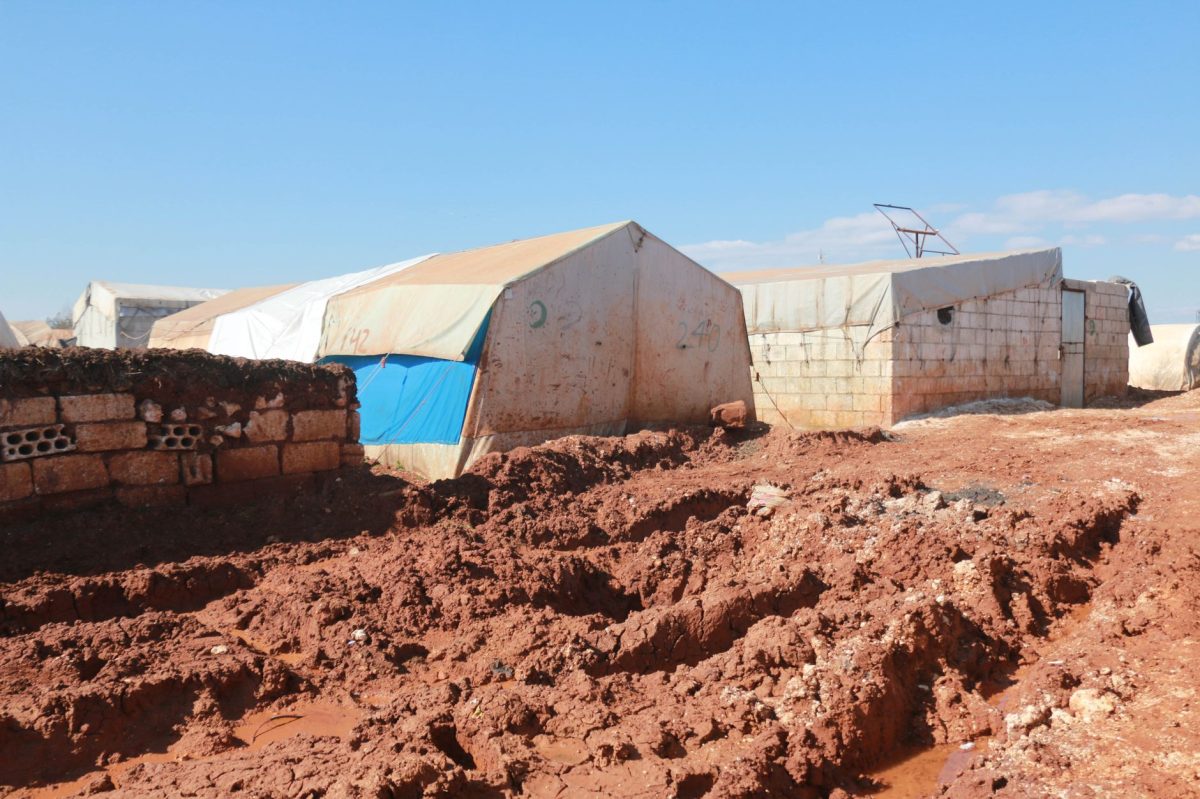
The refusal of Shia armed groups to disarm is part of a broader pattern of sectarian violence and instability in Iraq. The country has been plagued by conflict since the US-led invasion in 2003, with the Shia-Sunni divide being a major source of tension. The rise of Shia armed groups in the aftermath of the ISIS defeat has exacerbated this problem, as they have become a powerful force in the country's security landscape. The government's inability to disarm these groups has raised concerns about the country's ability to maintain stability and security. The impact of this crisis will be felt across the country, particularly in areas with high concentrations of Shia populations, where tensions between the government and armed groups are already running high. The crisis has also raised concerns about the role of external actors, such as Iran, in Iraq's security situation.
“We are not going to disarm until the government provides us with a clear plan for our security and protection.”
What We Don't Know Yet
Despite the seriousness of the crisis, there are still many unanswered questions. One major concern is the role of external actors, such as Iran, in Iraq's security situation. While the government has accused these groups of receiving support and training from Iran, the extent of this support is unclear. Another question is the potential for violence between government forces and armed group members. While the government has promised to provide the groups with training and equipment to help them transition to a more peaceful role, the groups remain skeptical. The situation is also complex, with many different stakeholders and interests at play.
Key Takeaways
- The Iraqi government has given Shia armed groups a September 30 deadline to disarm.
- The groups have refused, citing concerns about their ability to protect themselves and their communities from external threats.
- The crisis has raised concerns about sectarian violence and instability in Iraq.
- The government has promised to provide the groups with training and equipment to help them transition to a more peaceful role.
- The situation is complex, with many different stakeholders and interests at play.
What to Watch
In the coming days and weeks, several key developments will be worth monitoring. One major event is the September 30 deadline, which marks the end of the government's patience with the armed groups. If the groups refuse to disarm, the government may take further action, including military force. Another development to watch is the role of external actors, such as Iran, in Iraq's security situation. While the government has accused these groups of receiving support and training from Iran, the extent of this support is unclear. The situation is also complex, with many different stakeholders and interests at play.
Despite the ongoing crisis, Iraq has made significant progress in rebuilding its economy, with oil production reaching record levels in recent years.
The crisis in Iraq is a complex and often confusing situation, with many different stakeholders and interests at play. While the government has promised to provide support and assistance to those affected, the extent of this support is unclear. The situation is also affected by the country's fragile security situation, with many areas still vulnerable to attacks from ISIS and other militant groups. The crisis highlights the need for careful consideration and a nuanced approach to addressing the complex security challenges facing Iraq.