Living with Fear: Inside Southern Lebanon's Divided Mansouri Village

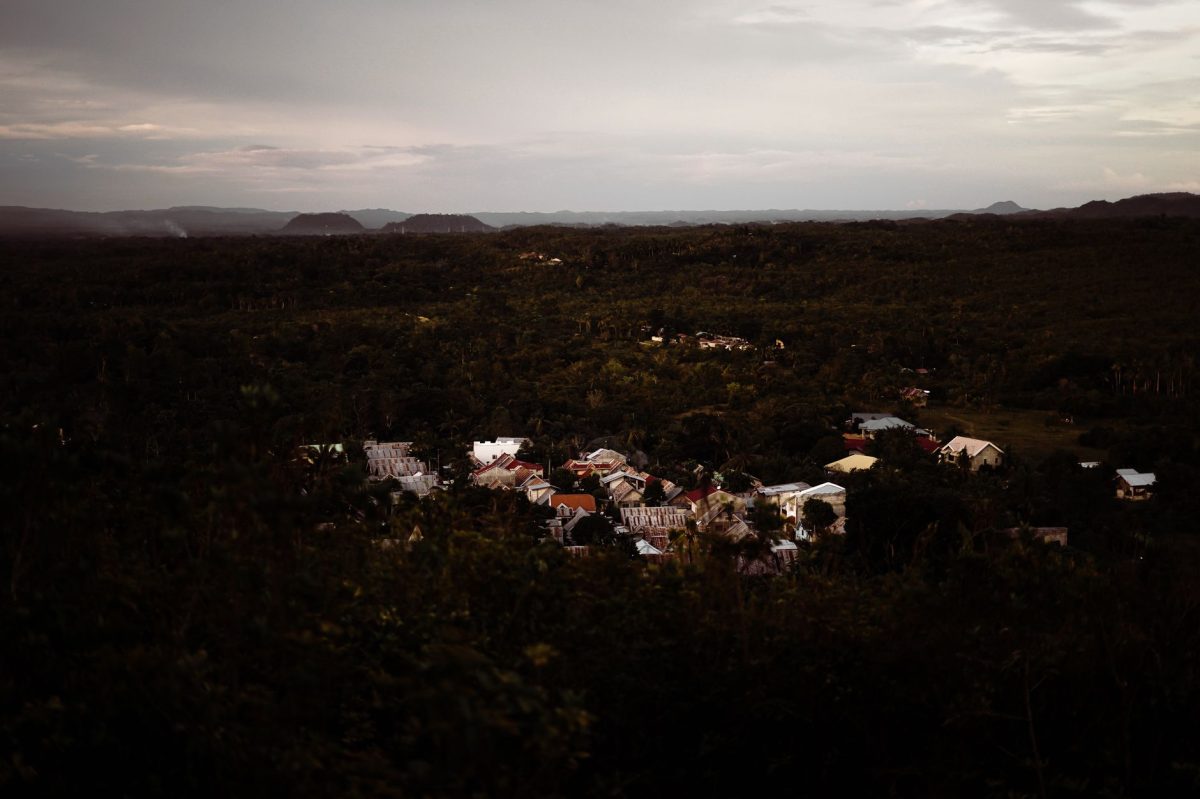
The village of Mansouri, located in southern Lebanon, has been a focal point of controversy due to its division by Israel's Yellow Line, a military boundary separating occupied territory. This phenomenon affects the daily lives of its residents, who are struggling to access basic necessities like healthcare and education. The situation raises questions about the long-term impact on the community and its future prospects.
A Divided Village: The Yellow Line Separates Mansouri
Mansouri village, with a population of approximately 5,000, has been divided by Israel's Yellow Line since 2006. According to account from Mansouri resident, Amal Khalil, the line cuts through the village, separating families and disrupting daily life. The Yellow Line, a 200-meter-wide buffer zone, is patrolled by Israeli soldiers, who restrict access to the occupied territory. Khalil explained that even simple tasks, such as visiting family members or tending to agricultural land, require special permits and often result in delays or denials. As a result, many residents have resorted to using alternative routes, which are often treacherous and put them at risk of injury or arrest. Despite the challenges, the residents remain determined to maintain their way of life and preserve their identity.
The Human Cost of Division
The division of Mansouri village has a profound impact on the daily lives of its residents. Healthcare access is severely limited, with patients often facing long delays or denials when trying to receive medical treatment on the other side of the Yellow Line. The village's sole hospital, which provides essential services, struggles to cope with the influx of patients. Moreover, the lack of access to education has forced many young people to abandon their education, leading to a brain drain that threatens the village's future. Furthermore, the economic hardship caused by the division has led to a decline in living standards, with many families relying on food aid and other forms of assistance to survive. As Khalil aptly put it: 'The Yellow Line has become a barrier to our freedom, a reminder of our confinement and the harsh realities of our existence.'
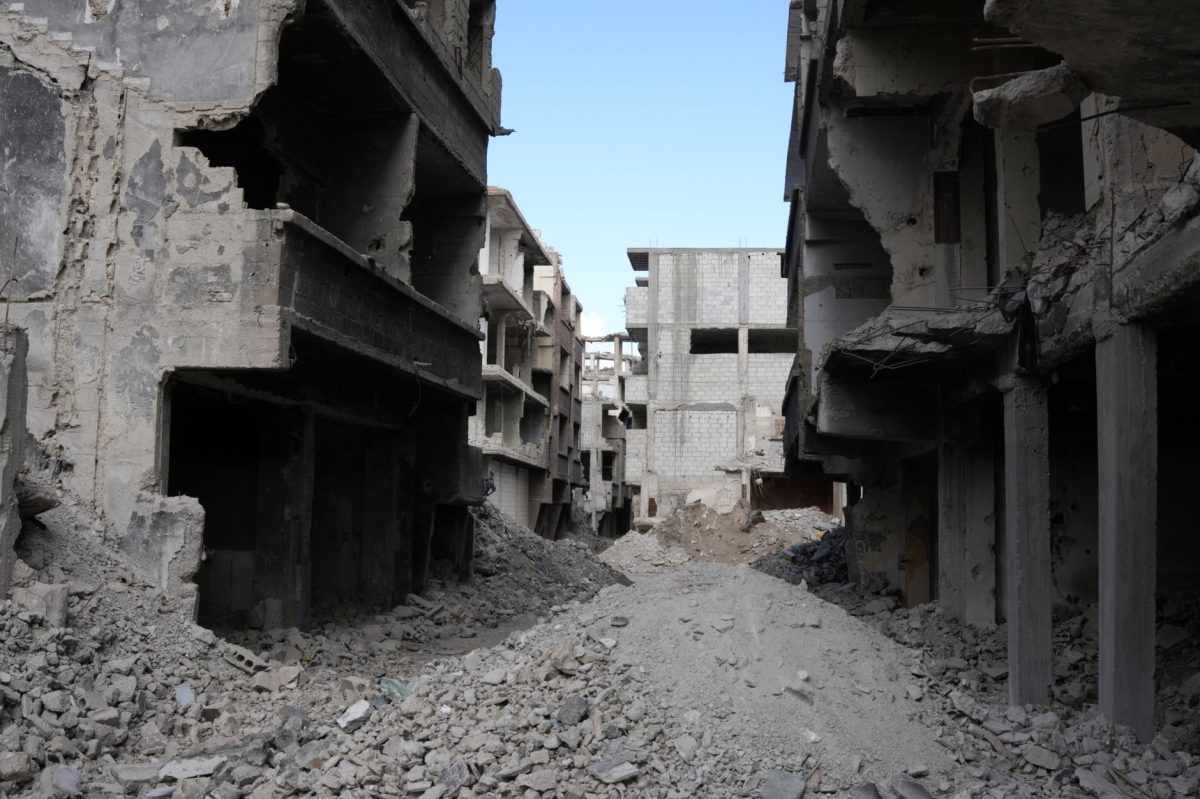
“The Yellow Line has become a barrier to our freedom, a reminder of our confinement and the harsh realities of our existence.”
Uncertainty and Gaps in Understanding
Despite the significant impact of the Yellow Line on Mansouri village, there are still many questions that remain unanswered. The exact number of residents affected by the division is unknown, and the extent of the economic hardship is unclear. Moreover, the long-term effects of the division on the village's social fabric and cultural identity are still unknown. As one local activist pointed out: 'The division of Mansouri village is a symptom of a larger issue, a result of the ongoing occupation and the lack of resolution to the Israeli-Palestinian conflict.' The situation remains complex and multifaceted, requiring a nuanced and context-specific approach to address the needs of the affected communities.
Key Takeaways
- Mansouri village has been divided by Israel's Yellow Line since 2006
- The division affects the daily lives of approximately 5,000 residents
- Healthcare access is severely limited due to the division
- The economic hardship caused by the division has led to a decline in living standards
- The long-term effects of the division on the village's social fabric and cultural identity are still unknown
What to Watch in the Next 24-72 Hours
The situation in Mansouri village is likely to remain tense in the coming days, with various stakeholders and actors vying for influence. The Israeli military may increase patrols in the area, leading to further restrictions on movement and access. Additionally, the Lebanese government may take steps to address the humanitarian crisis, including the provision of aid and assistance to affected residents. Meanwhile, local activists and human rights organizations will continue to raise awareness about the situation and push for a resolution to the conflict. As the situation unfolds, it will be essential to monitor developments closely and respond effectively to the needs of the affected communities.
Despite the division, Mansouri village has a unique system of underground tunnels and passageways that allow residents to move undetected between the two sides, highlighting the resourcefulness and resilience of the community in the face of adversity.
The division of Mansouri village is a stark reminder of the human cost of conflict and the importance of addressing the needs of affected communities. As we continue to follow the situation, it is essential to prioritize the voices and perspectives of the residents, who are struggling to maintain their way of life in the face of adversity. By doing so, we can work towards a more just and equitable resolution to the conflict, one that prioritizes the needs and aspirations of all parties involved.