Reality: Indian Embassy Slams The New York Times for Inaccurate Reporting on PoK Killings

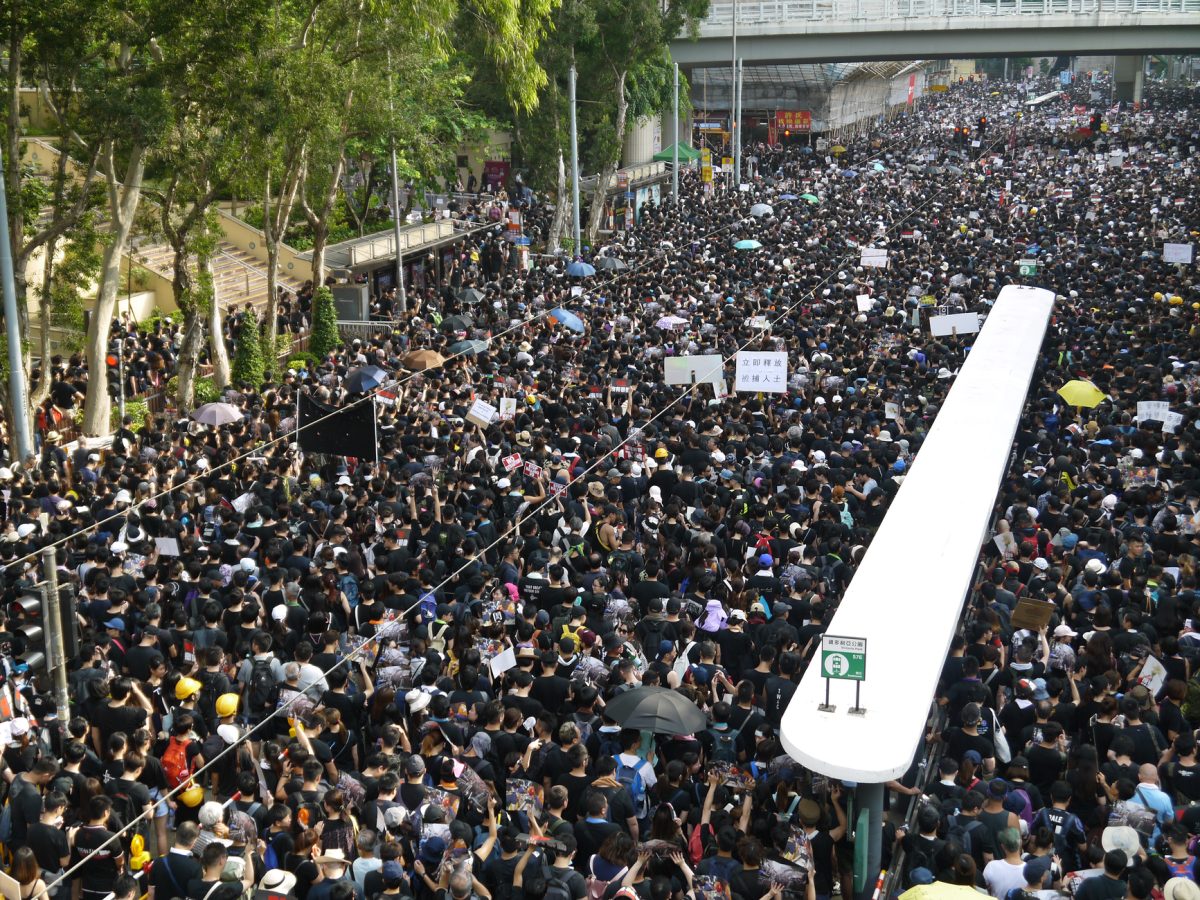
The Indian Embassy in the United States has issued a statement criticizing The New York Times for its inaccurate reporting on the recent killings in Pakistan-occupied Kashmir, highlighting the long-standing dispute over the region's status and the human rights violations committed by Pakistan. This incident underscores the complexities of the situation and the importance of accurate reporting in resolving the conflict.
What Happened?
According to a statement by the Indian Embassy in Washington, D.C., The New York Times published a headline that was 'grossly misleading' and 'inaccurate' regarding the recent killings in Pakistan-occupied Kashmir. The embassy stated that the killings were a result of a clash between Pakistani security forces and local residents in the region, which has been under Pakistan's illegal occupation since 1947. The Indian Embassy emphasized that the region, known as Jammu and Kashmir, is a disputed territory and that Pakistan's occupation is a major source of tension between the two countries. Account to The Hindu, the Indian Embassy also pointed out that the New York Times had previously reported on the human rights abuses in Pakistan-occupied Kashmir, but had failed to accurately represent the situation in its latest article. For instance, the embassy noted that the New York Times had reported on the use of pellet guns by Pakistani security forces, which had resulted in the blinding of hundreds of local residents.
Why It Matters
The Indian Embassy's criticism of The New York Times highlights the importance of accurate reporting in resolving the conflict over Jammu and Kashmir. The long-standing dispute between India and Pakistan over the region has resulted in numerous human rights abuses, including the killings of local residents and the displacement of thousands of people. The accurate representation of the situation in Pakistan-occupied Kashmir is crucial in bringing attention to the human rights abuses and the need for a peaceful resolution to the conflict. Furthermore, the Indian Embassy's criticism suggests that the media has a responsibility to report accurately and avoid perpetuating misinformation that can exacerbate the conflict. In the broader pattern, this incident underscores the importance of media literacy and critical thinking in understanding complex geopolitical issues.

“The Indian Embassy's statement highlights the importance of accurate reporting in resolving the conflict over Jammu and Kashmir. We urge the media to report accurately and avoid perpetuating misinformation that can exacerbate the conflict.”
What We Don't Know Yet
Despite the Indian Embassy's criticism of The New York Times, there are still many questions that remain unanswered. One of the key questions is the extent to which Pakistan's occupation of Jammu and Kashmir has contributed to the human rights abuses in the region. While the Indian Embassy has highlighted the long-standing dispute over the region's status, there is a need for further research into the specific human rights abuses committed by Pakistani security forces. Moreover, there are also questions about the role of the international community in resolving the conflict. What role can the United States play in promoting a peaceful resolution to the conflict, and what steps can be taken to address the human rights abuses in the region?
What to Watch
In the coming days and weeks, several key developments are likely to occur. One of the key events to watch is the response of The New York Times to the Indian Embassy's criticism. Will the newspaper issue a correction or apology for its inaccurate reporting, or will it continue to maintain its original headline? Moreover, the international community is also likely to respond to the Indian Embassy's criticism, with possible statements from Western governments condemning Pakistan's occupation of Jammu and Kashmir. Finally, the situation on the ground in Pakistan-occupied Kashmir is likely to remain tense, with possible further clashes between Pakistani security forces and local residents. The situation is likely to remain volatile until a peaceful resolution to the conflict is found.
Despite being a highly contested region, Jammu and Kashmir is home to some of the most beautiful and diverse landscapes in the world, including the Himalayan mountains and the Kashmir Valley.
The Indian Embassy's criticism of The New York Times highlights the importance of accurate reporting in resolving the conflict over Jammu and Kashmir. While the situation is complex and multifaceted, the accurate representation of the situation on the ground is crucial in bringing attention to the human rights abuses and the need for a peaceful resolution to the conflict.