Birders Flock to Shazam-Like Apps to Identify Avians in Real-Time

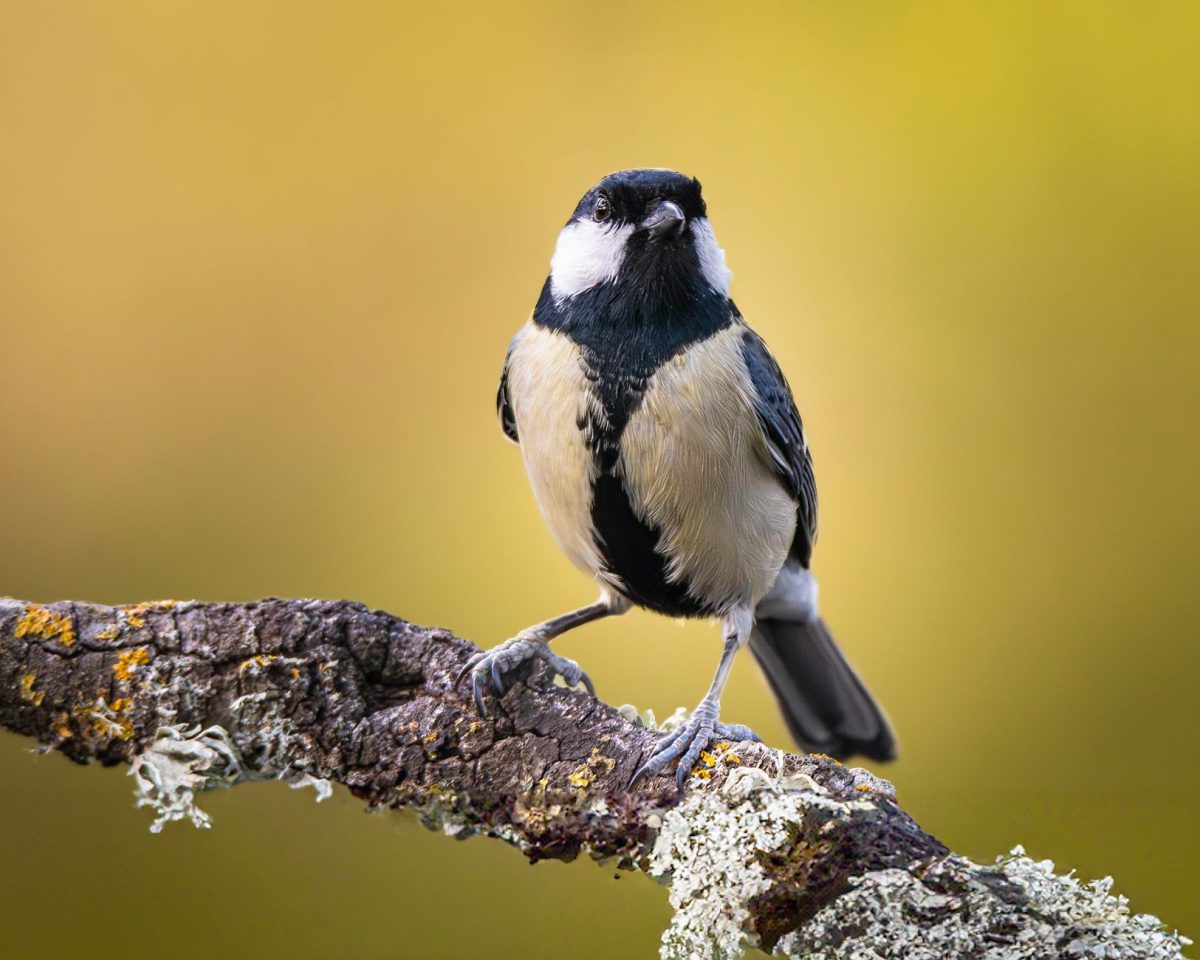
The BBC recently featured a story on how birdwatchers are using Shazam-like apps to identify birds in real-time, citing the convenience and accuracy of these tools as key factors in their popularity. This shift has far-reaching implications for the hobby, attracting new enthusiasts and changing the way seasoned birders approach their passion. As the world of birding continues to evolve, it's essential to explore this trend in depth.
Birding Apps Revolutionize the Hobby for Enthusiasts and Newcomers Alike
According to a recent BBC report, birding apps have transformed the hobby for birders of all levels. The apps, which use AI-powered technology to identify birds in real-time, have made it easier for enthusiasts to spot and learn about different species. For instance, the Merlin Bird ID app, developed by the Cornell Lab of Ornithology, uses a combination of AI and machine learning algorithms to identify birds based on user-submitted photos or audio recordings. "These apps have been a game-changer for me," said Emma Taylor, a seasoned birder who has been using the Merlin app for over a year. "I can now identify birds in real-time, without having to consult multiple field guides or seek the help of more experienced birders." The app's accuracy has also been praised by experts, with the Cornell Lab's Dr. John Fitzpatrick citing a study that found the app's accuracy rate to be around 90% when compared to human experts.
The Broader Implications of Birding Apps
The rise of birding apps has significant implications for the hobby and the environment. Firstly, it has made birding more accessible to people who may not have had the opportunity to engage with the hobby otherwise. According to the BBC, the Merlin app has attracted a new wave of birders, many of whom are young and from urban areas. This shift towards more diverse and inclusive birding communities is a positive development for the hobby, as it brings in fresh perspectives and ideas. Secondly, the apps have also raised questions about the role of technology in birding. While they have made it easier for people to identify birds, they have also created a reliance on these tools, which can be taken away at any moment. This has led to concerns about the impact of technology on traditional birding skills, such as observation and note-taking. The use of birding apps has also highlighted the need for more accurate and up-to-date field guides.


“These apps have been a game-changer for me. I can now identify birds in real-time, without having to consult multiple field guides or seek the help of more experienced birders." - Emma Taylor, seasoned birder and Merlin Bird ID app user”
What We Don't Know Yet: The Uncertainties Surrounding Birding Apps
While birding apps have revolutionized the hobby, there are still several uncertainties surrounding their impact. Firstly, there is a lack of research on the long-term effects of using these apps on traditional birding skills. While some studies have shown that the apps can improve identification accuracy, others have raised concerns about the potential for over-reliance on technology. Secondly, there are also questions about the accuracy of the apps themselves, particularly in cases where the user-submitted data is incomplete or inaccurate. Further research is needed to understand the full implications of birding apps on the hobby and the environment.
Key Takeaways
- Birding apps have transformed the hobby for enthusiasts and newcomers alike, according to the BBC's report.
- The Merlin Bird ID app has been praised for its accuracy and convenience, with an accuracy rate of around 90% when compared to human experts.
- The rise of birding apps has significant implications for the hobby and the environment, including making birding more accessible and raising questions about the role of technology in birding.
- The use of birding apps has highlighted the need for more accurate and up-to-date field guides.
- Further research is needed to understand the full implications of birding apps on the hobby and the environment.
What to Watch: Key Developments in the World of Birding Apps
As the world of birding continues to evolve, there are several key developments to watch in the coming months. Firstly, the Cornell Lab of Ornithology is set to release a new version of the Merlin app, which will include improved AI-powered identification capabilities and new features for users. Secondly, there are also plans to launch a new birding app that will focus on conservation efforts, using data collected from users to inform habitat restoration and species protection initiatives. These developments have the potential to further transform the hobby and attract even more enthusiasts to the world of birding.
The Cornell Lab of Ornithology has developed a number of birding apps, including the Merlin Bird ID app and the eBird mobile app, which has been downloaded over 10 million times worldwide, according to the lab's Dr. John Fitzpatrick.
As the world of birding continues to evolve, it's clear that birding apps have become an essential tool for enthusiasts and newcomers alike. While there are still uncertainties surrounding their impact, it's essential to approach this trend with a nuanced perspective, recognizing both the benefits and limitations of these tools. By doing so, we can ensure that the hobby remains accessible and enjoyable for generations to come.