Canadian Mining Giant First Quantum Minerals' Decades-Long Covert Influence Campaign in Zambia

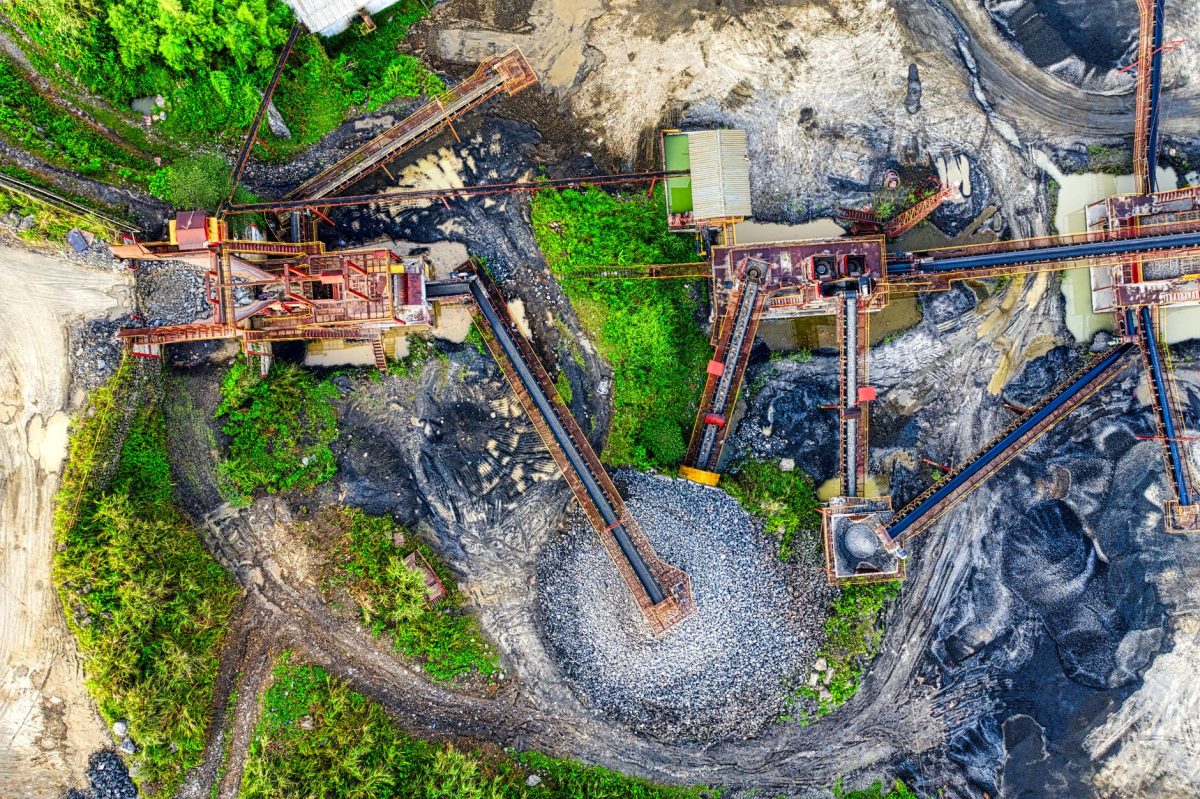
A recent investigation by Global Witness has uncovered a decades-long covert influence campaign by Canadian mining giant First Quantum Minerals and its associates over Zambia's democracy, highlighting the risks of unchecked corporate influence in African politics. This investigation matters because it sheds light on the ways in which powerful corporations can shape the political landscape in resource-rich countries. Zambia, a copper-rich nation, has seen significant economic growth in recent years, but also increased inequality and environmental degradation.
What Happened: First Quantum Minerals' Covert Influence Campaign in Zambia
According to Global Witness, First Quantum Minerals and its associates have been involved in a decades-long covert influence campaign in Zambia's democracy. The investigation found that the company and its associates have bankrolled politicians, supported corrupt business deals, and manipulated policy decisions to serve their own interests. For example, the company has been accused of bribing officials to secure lucrative mining contracts and has also been linked to the laundering of millions of dollars in bribes and kickbacks. Account to Global Witness investigator, 'The level of corporate influence in Zambia's democracy is staggering.'
Why It Matters: The Risks of Unchecked Corporate Influence in African Politics
Corporate influence in African politics is a growing concern. The investigation highlights the risks of unchecked corporate influence in African politics, where powerful corporations can shape policy decisions and undermine democratic institutions. In Zambia, the mining industry is a significant contributor to the country's economy, but it has also been linked to environmental degradation and human rights abuses. The investigation suggests that First Quantum Minerals and its associates have used their influence to secure lucrative mining contracts and to silence critics of the company's operations.

“The level of corporate influence in Zambia's democracy is staggering. It's a classic case of a corporate influence campaign, where a company and its associates use money and other forms of influence to shape policy decisions and undermine democratic institutions.”
What We Don't Know Yet: The Unanswered Questions
While the investigation provides significant insights into First Quantum Minerals' covert influence campaign in Zambia, there are still many unanswered questions. For example, the investigation does not provide clear evidence of the company's involvement in corrupt business deals and the laundering of millions of dollars in bribes and kickbacks. The investigation also does not provide details on the company's current activities in Zambia and whether it has continued to use its influence to shape policy decisions.
Key Takeaways
- First Quantum Minerals and its associates have been involved in a decades-long covert influence campaign in Zambia's democracy.
- The company has been accused of bribing officials to secure lucrative mining contracts and has also been linked to the laundering of millions of dollars in bribes and kickbacks.
- The investigation highlights the risks of unchecked corporate influence in African politics and the need for greater transparency and accountability in the extractive industries.
- The investigation also highlights the need for greater support for civil society organizations and independent media in Zambia and other African countries.
What to Watch: The Next 24-72 Hours
In the next 24-72 hours, we can expect to see a response from First Quantum Minerals and the Zambian government. The company has a history of denying allegations of corruption and wrongdoing, and it is likely to do so again. The Zambian government has also been accused of being slow to respond to allegations of corporate influence in the country's politics. We can expect to see a statement from the government denying any wrongdoing and emphasizing its commitment to transparency and accountability.
Despite being a significant contributor to Zambia's economy, the mining industry accounts for less than 5% of the country's employment, highlighting the need for more diversified economic development.
The investigation by Global Witness provides a disturbing insight into the ways in which powerful corporations can shape the political landscape in resource-rich countries. It is a reminder of the need for greater transparency and accountability in the extractive industries and for stronger regulations to prevent corporate influence in African politics.