Japan Suffers Through Extreme Heat as Rainy Season Ends in Tokyo

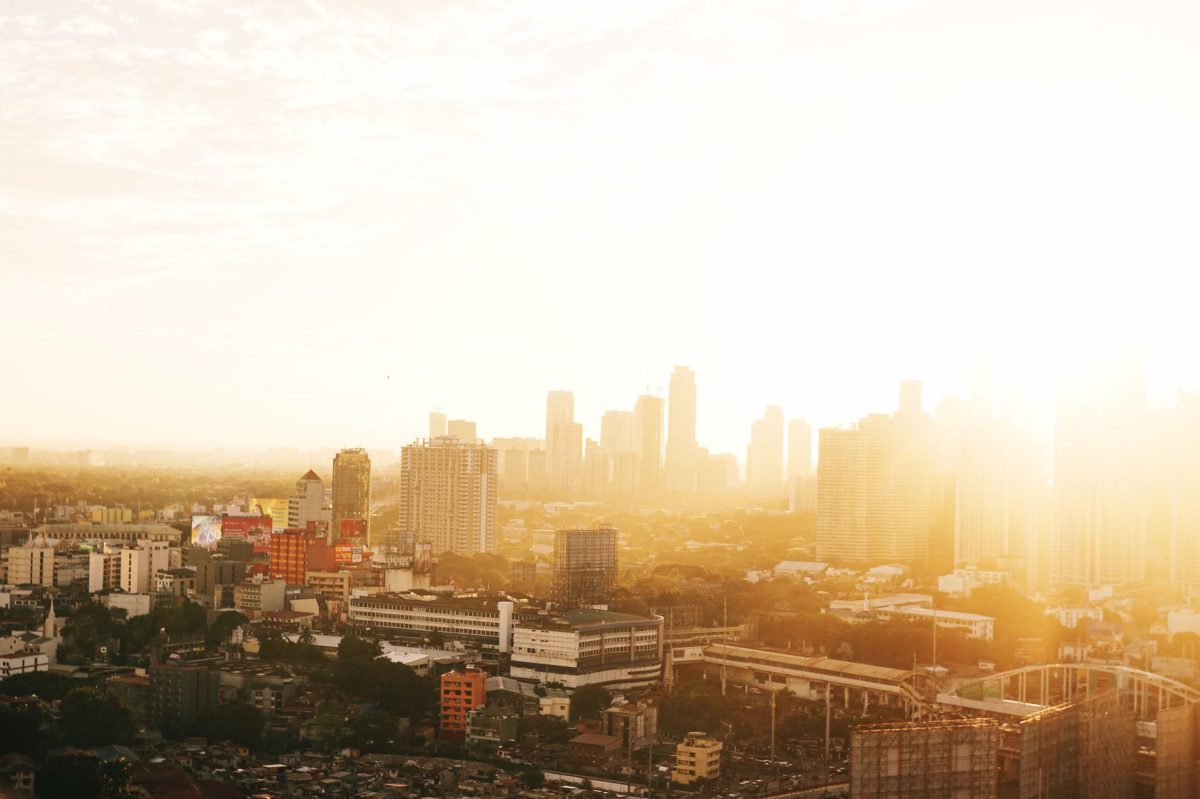
Japan has been experiencing extreme heat, with temperatures exceeding 35 degrees Celsius across much of the country on Monday. The extreme heat is particularly concerning as it marks the end of the rainy season in Tokyo. This heat wave is not just a matter of comfort; it poses serious health risks for the elderly and vulnerable populations.
Heat Wave Brings Temperatures Over 35 Degrees in Japan
According to the Japan Meteorological Agency, temperatures reached as high as 36.7 degrees Celsius in the city of Kumamoto on Monday. "The extreme heat has been exacerbated by the lack of rainfall during the rainy season," said Kenji Ito, a spokesperson for the agency. The agency has issued heat advisories for several prefectures, including Tokyo, Osaka, and Fukuoka. In Tokyo, the temperature reached 35.4 degrees Celsius, making it the hottest day of the year so far. The heat wave is expected to continue through the week, with temperatures remaining above 35 degrees Celsius in many areas. Account to Japan Meteorological Agency data, the average temperature in Tokyo for July is around 32 degrees Celsius. However, this year's temperature has already surpassed that average, with a significant increase in the temperature over the past week.
Heat Wave Poses Serious Health Risks
The extreme heat poses serious health risks for the elderly and vulnerable populations. The heat wave can cause heat stroke, dehydration, and other heat-related illnesses. "The elderly and young children are particularly vulnerable to heat-related illnesses," said Dr. Yumi Nakamura, a physician at Tokyo's University Hospital. "We are seeing an increase in patients with heat-related illnesses, and we are urging people to take precautions to stay cool and hydrated." In addition to the health risks, the heat wave also poses economic risks. The heat wave can damage crops and infrastructure, leading to economic losses. "The heat wave can have a significant impact on agriculture, especially for crops that are sensitive to high temperatures," said Takashi Matsumoto, a professor at Tokyo University's Faculty of Agriculture.


“The elderly and young children are particularly vulnerable to heat-related illnesses,”
What We Don't Know Yet
While the heat wave is expected to continue through the week, there are still many questions about its cause and duration. One question is whether the heat wave is related to climate change. "We are seeing an increase in extreme weather events, including heat waves, due to climate change," said Dr. Kenji Miyazaki, a climate scientist at the National Institute for Environmental Studies. "However, it's difficult to say with certainty whether this heat wave is directly related to climate change." Another question is how the heat wave will affect the upcoming summer months. Will the heat wave continue into August, or will it subside? "We are monitoring the situation closely and will provide updates as necessary," said a spokesperson for the Japan Meteorological Agency.
Key Takeaways
- Temperatures exceeded 35 degrees Celsius across much of Japan on Monday.
- The heat wave is expected to continue through the week, with temperatures remaining above 35 degrees Celsius in many areas.
- The heat wave poses serious health risks for the elderly and vulnerable populations.
- The heat wave can cause heat stroke, dehydration, and other heat-related illnesses.
- The heat wave can damage crops and infrastructure, leading to economic losses.
What to Watch in the Next 24-72 Hours
In the next 24-72 hours, we can expect the heat wave to continue, with temperatures remaining above 35 degrees Celsius in many areas. The heat index, which takes into account both temperature and humidity, is expected to be particularly high on Tuesday. "We are urging people to take precautions to stay cool and hydrated, especially during the hottest part of the day," said a spokesperson for the Tokyo Metropolitan Government. The city is also taking steps to mitigate the effects of the heat wave, including providing cool spaces and distributing cooling packs to vulnerable populations.
Despite the dangers of heat waves, some people's bodies can actually acclimate to high temperatures, a process known as heat adaptation, which can reduce the risk of heat-related illnesses.
In conclusion, the heat wave in Japan is a serious issue that requires attention and action. While we can expect the heat wave to continue through the week, there are still many questions about its cause and duration. We will continue to monitor the situation and provide updates as necessary.