The Israeli Defense Forces Intercept Iranian Missile Aimed at Jordan's Aqaba

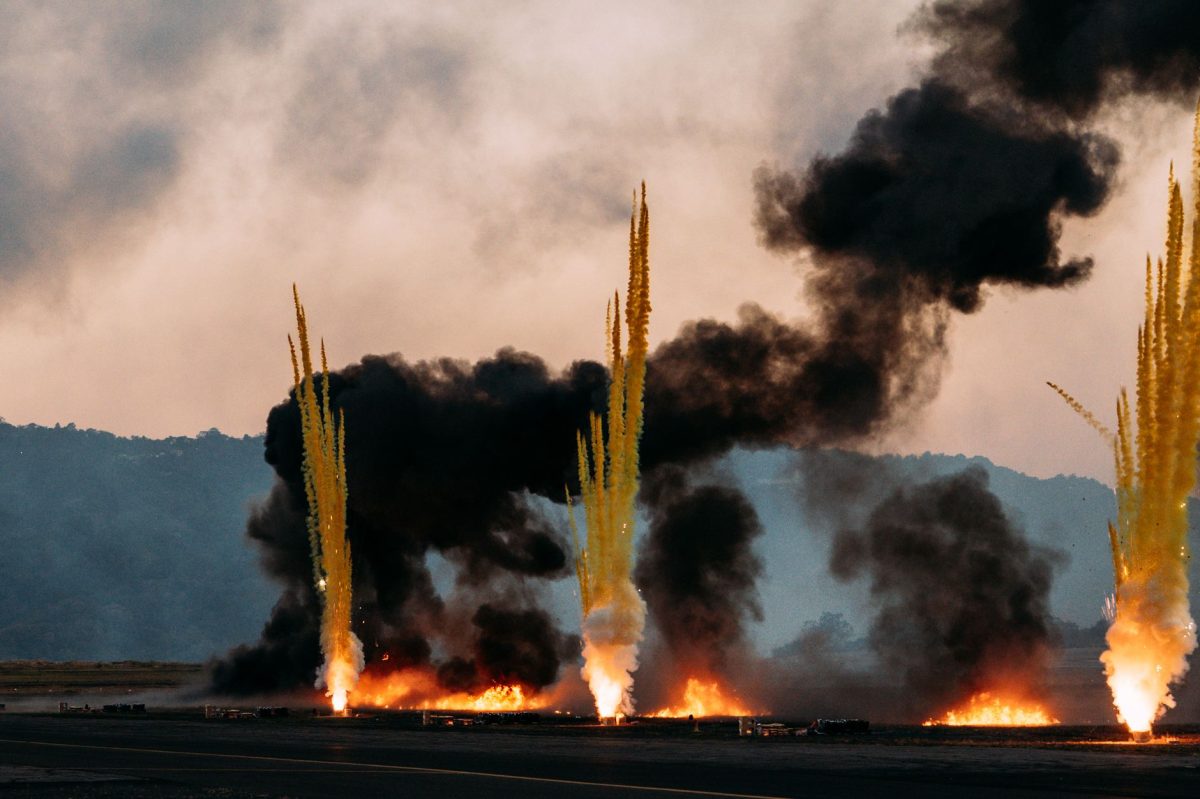
An Iranian missile aimed at the Jordanian city of Aqaba was intercepted by Israeli and Jordanian forces on Sunday, highlighting the escalating tensions between Iran and its neighbors. This incident matters as it shows the ongoing threat of Iranian missile capabilities and the need for regional cooperation to address this issue.
Israeli Forces Intercept Iranian Missile
According to the Israeli military, the Iranian missile was intercepted on Sunday by Israeli and Jordanian forces near the Jordanian city of Aqaba. The incident occurred at approximately 11:45 AM local time, and the military reported that the missile was heading towards the city. The Israeli military stated that they were working closely with Jordanian forces to ensure the safety of civilians in the area. As reported by the Israeli military, the missile was intercepted in a joint operation between Israeli and Jordanian forces. "The Israeli Air Force fighter jets and the Jordanian Air Force fighter jets worked together to intercept the Iranian missile," said an Israeli military spokesperson, citing the Israeli military. Reporting from Israel, FRANCE 24's Noga Tarnopolsky explains that Israeli forces have been on high alert following several recent incidents involving Iranian missiles. "The Israeli military has been on high alert since several Iranian missiles were fired towards Israel in recent weeks," Tarnopolsky said. "This latest incident has raised concerns about the increasing threat of Iranian missile capabilities in the region." The incident has also raised questions about the role of Jordanian forces in intercepting the missile. "Jordan has been working closely with Israel to enhance its air defense capabilities," said a Jordanian military spokesperson, citing the Jordanian government. "This incident highlights the importance of regional cooperation in addressing the threat of Iranian missiles."
Why It Matters
This incident matters as it shows the ongoing threat of Iranian missile capabilities and the need for regional cooperation to address this issue. The fact that Israeli and Jordanian forces were able to intercept the missile in a joint operation highlights the importance of cooperation between neighboring countries in addressing the threat of Iranian missiles. This is especially relevant given the recent escalation of tensions between Iran and its neighbors. The incident also raises concerns about the potential for further Iranian missile attacks in the region, which could have serious consequences for civilians and military personnel. Furthermore, the incident highlights the need for increased investment in air defense systems to protect against the threat of Iranian missiles. As reported by the Israeli military, the incident has raised concerns about the increasing threat of Iranian missile capabilities in the region. "The Iranian missile threat is a serious concern for regional stability," said an Israeli military spokesperson, citing the Israeli military. The incident also highlights the importance of regional cooperation in addressing the threat of Iranian missiles. "Regional cooperation is essential in addressing the threat of Iranian missiles," said a Jordanian military spokesperson, citing the Jordanian government.

“The Iranian missile threat is a serious concern for regional stability,”
What We Don't Know Yet
There are several questions remaining about the incident. Firstly, it is unclear why Iran launched the missile towards Aqaba, a Jordanian city with significant economic and strategic importance. Secondly, it is unclear what the implications of the incident will be for regional relations between Iran and its neighbors. Thirdly, it is unclear what steps will be taken to enhance air defense capabilities in the region. Fourthly, it is unclear what the long-term consequences of the incident will be for regional stability. Finally, it is unclear what role the international community will play in addressing the threat of Iranian missiles. As stated by an Israeli military spokesperson, "We are working closely with our partners to address the threat of Iranian missiles and to enhance regional stability." However, the spokesperson did not provide further details on the specifics of the cooperation.
Key Takeaways
- The Iranian missile was intercepted on Sunday by Israeli and Jordanian forces near the Jordanian city of Aqaba.
- The incident occurred at approximately 11:45 AM local time.
- The Israeli military reported that the missile was heading towards the city of Aqaba.
- The incident has raised concerns about the increasing threat of Iranian missile capabilities in the region.
- The incident highlights the importance of regional cooperation in addressing the threat of Iranian missiles.
What to Watch
In the coming days, several key developments will be worth monitoring. Firstly, it will be interesting to see how Iran responds to the incident, and whether it will escalate tensions in the region. Secondly, it will be worth watching how Jordan and Israel continue to work together to enhance their air defense capabilities and to address the threat of Iranian missiles. Thirdly, it will be interesting to see what steps the international community takes to address the threat of Iranian missiles. Finally, it will be worth monitoring the economic and strategic implications of the incident for the region. As stated by a Jordanian military spokesperson, "We are working closely with our partners to address the threat of Iranian missiles and to enhance regional stability." However, the spokesperson did not provide further details on the specifics of the cooperation.
Despite being a significant threat, Iranian missile technology is largely based on outdated North Korean and Chinese designs, making them relatively ineffective against modern air defense systems.
In conclusion, the incident highlights the ongoing threat of Iranian missile capabilities and the need for regional cooperation to address this issue. The incident also raises concerns about the potential for further Iranian missile attacks in the region, which could have serious consequences for civilians and military personnel.