5 Clever Design Tricks to Create the Illusion of Space in Small Homes

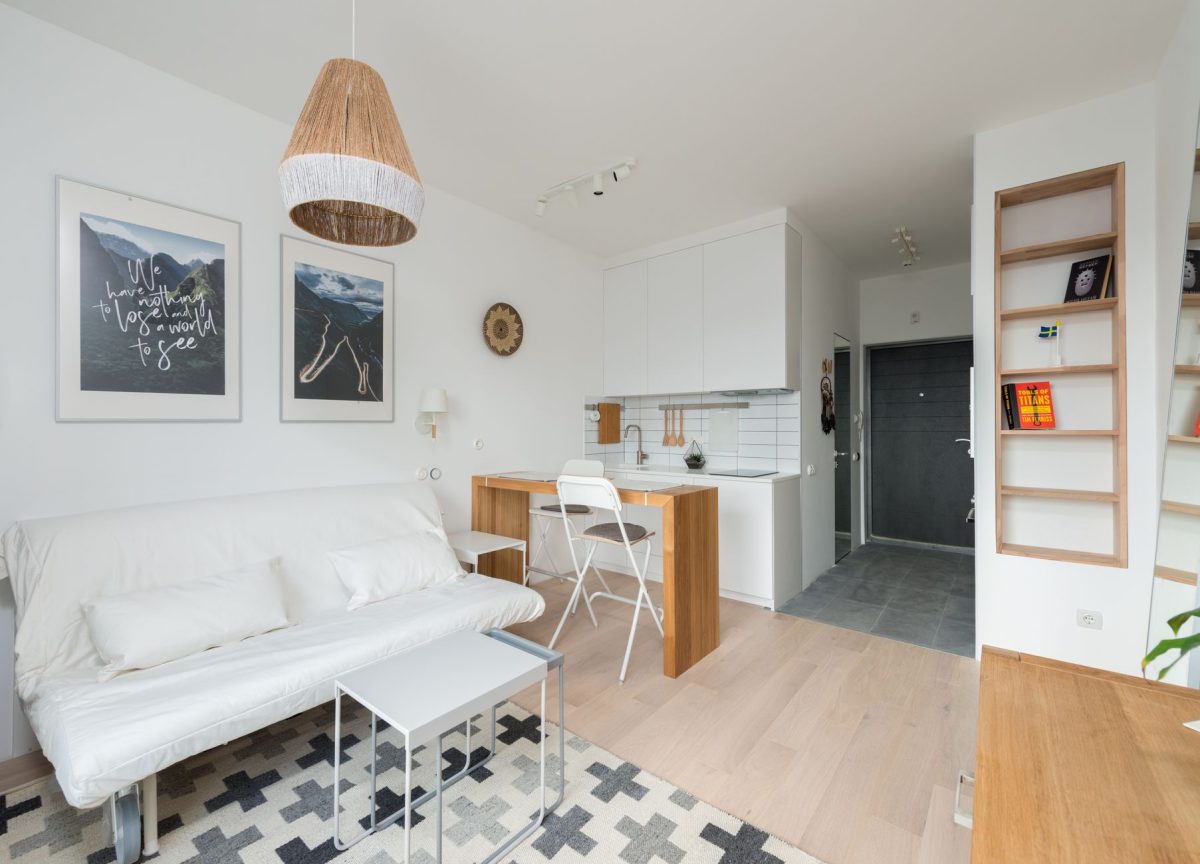
A 100-square-meter apartment in Tokyo's trendy Shibuya ward may seem like a challenge for interior designers to create a spacious feel, but with the right tricks, it can be transformed into a cozy and inviting home. The question is, what are these clever design tricks, and how can they be applied to small homes without emptying the wallet or requiring extensive renovations?
Interior Designers Share Their Expert Strategies for Small Homes
Interior designers have long been aware of the importance of creating the illusion of space in small homes. According to designer Emma Taylor, who has spent years working on small spaces in cities like New York City and Tokyo, 'it's all about creating a sense of flow and visual continuity.' Taylor explains that one of the key strategies for creating this effect is to use mirrors effectively. By placing mirrors opposite windows, homeowners can create the illusion of a larger space and make the most of natural light. This technique, known as 'mirror trick,' can be particularly effective in small apartments where windows are scarce. Another clever design trick is to use vertical elements to create the illusion of height. This can be achieved by installing floor-to-ceiling curtains, shelves, or storage units. By drawing the eye upwards, homeowners can create a sense of verticality and make the room feel larger. Account to Taylor, 'when you have a small space, you want to create a sense of drama and height, rather than just a lot of clutter.' In addition to mirrors and vertical elements, interior designers also recommend using light colors on walls and floors to create a sense of openness. Dark colors, on the other hand, can make a room feel smaller and more oppressive. According to designer James Lee, 'light colors can make a room feel airy and spacious, while dark colors can create a sense of heaviness and claustrophobia.' Lee suggests using a combination of light and dark colors to create a sense of balance and visual interest. Finally, interior designers recommend using multi-functional furniture to maximize space. By choosing pieces that serve multiple purposes, homeowners can reduce clutter and create a sense of flow. For example, a storage ottoman can serve as a seat and a storage unit, while a desk with built-in shelving can provide a workspace and a place to store office supplies. According to designer Sarah Kim, 'multi-functional furniture is a must-have for small homes, as it helps to reduce clutter and create a sense of flow.'
The Broader Implications of Clever Design Tricks for Small Homes
The clever design tricks shared by interior designers have broader implications for homeowners and renters alike. By applying these strategies, individuals can create a sense of space and luxury in even the smallest of homes. This, in turn, can have a positive impact on mental health and well-being. According to a study published in the Journal of Environmental Psychology, individuals who live in small spaces tend to experience higher levels of stress and anxiety. By creating a sense of space and flow, homeowners can reduce these negative emotions and improve their overall quality of life. Furthermore, clever design tricks can also have a significant impact on the environment. By reducing clutter and minimizing the need for new furniture, homeowners can reduce waste and minimize their carbon footprint. According to a report by the United Nations Environment Programme, the fashion industry is one of the largest polluters in the world, with the average American generating 82 pounds of textile waste per year. By choosing multi-functional furniture and reducing clutter, homeowners can reduce their contribution to this problem and create a more sustainable future. In addition to the environmental benefits, clever design tricks can also have a significant impact on the economy. By creating a sense of space and luxury in small homes, individuals can increase the value of their property and attract higher-paying tenants. According to a report by Zillow, homes with high-end finishes and design elements can command up to 10% higher prices than similar homes without these features. By applying clever design tricks, homeowners and renters can increase their property values and reap the financial rewards.

“'When you have a small space, you want to create a sense of drama and height, rather than just a lot of clutter.' - Emma Taylor, Interior Designer”
What We Don't Know Yet: The Limitations of Clever Design Tricks
While clever design tricks have been shown to be effective in creating the illusion of space in small homes, there are still many limitations and uncertainties surrounding this topic. One of the main limitations is the cost of implementation. While some design tricks, such as using light colors and multi-functional furniture, can be achieved on a budget, others, such as installing floor-to-ceiling curtains or shelves, can be prohibitively expensive. According to a report by the National Association of Home Builders, the average cost of a home renovation is $10,000, with some projects costing upwards of $50,000. This can be a significant burden for homeowners who are on a tight budget. Another limitation is the effect of clever design tricks on the physical and mental health of homeowners. While some studies have shown that living in small spaces can have a negative impact on mental health, others have suggested that clever design tricks can have a positive impact. According to a study published in the Journal of Environmental Psychology, 'clever design tricks can help to reduce stress and anxiety in individuals who live in small spaces.' However, more research is needed to fully understand the impact of clever design tricks on physical and mental health. Finally, there are still many questions surrounding the long-term effectiveness of clever design tricks. Will they continue to work as the space ages, or will they become less effective over time? According to a report by the American Society of Interior Designers, 'clever design tricks can be a temporary solution to a persistent problem.' However, more research is needed to fully understand the long-term effectiveness of these strategies.
What to Watch: The Future of Clever Design Tricks
As the demand for small homes continues to grow, it's likely that clever design tricks will become an increasingly important part of the design landscape. According to a report by the National Association of Home Builders, 'the demand for small homes is expected to increase by 20% over the next five years.' This will likely lead to a greater emphasis on clever design tricks and innovative solutions to the space constraints of small homes. One of the key players in this trend is Emma Taylor, the interior designer who shared her expert strategies for creating the illusion of space in small homes. Taylor has been working on small spaces for years and has developed a range of innovative solutions to the space constraints of these homes. According to Taylor, 'the future of interior design is all about creating a sense of flow and visual continuity in small spaces.' Another key player is the tech industry, which is increasingly investing in innovative design solutions for small homes. According to a report by TechCrunch, 'the smart home market is expected to reach $146 billion by 2025.' This will likely lead to a greater emphasis on clever design tricks and innovative solutions to the space constraints of small homes. Finally, there are many individuals who are working to make clever design tricks more accessible to a wider range of people. According to a report by the non-profit organization, Habitat for Humanity, 'many individuals are working to make clever design tricks more accessible to low-income individuals and families.' This will likely lead to a greater emphasis on clever design tricks and innovative solutions to the space constraints of small homes in the coming years.
Creating the illusion of space in small homes is a complex challenge that requires a range of innovative solutions. By applying clever design tricks and innovative design strategies, homeowners and renters can create a sense of space and luxury in even the smallest of homes. While there are still many limitations and uncertainties surrounding this topic, it's clear that clever design tricks have the potential to make a significant impact on the lives of individuals and families around the world.