The Truth About Gambia's Irregular Migration Routes: A Deadly Journey

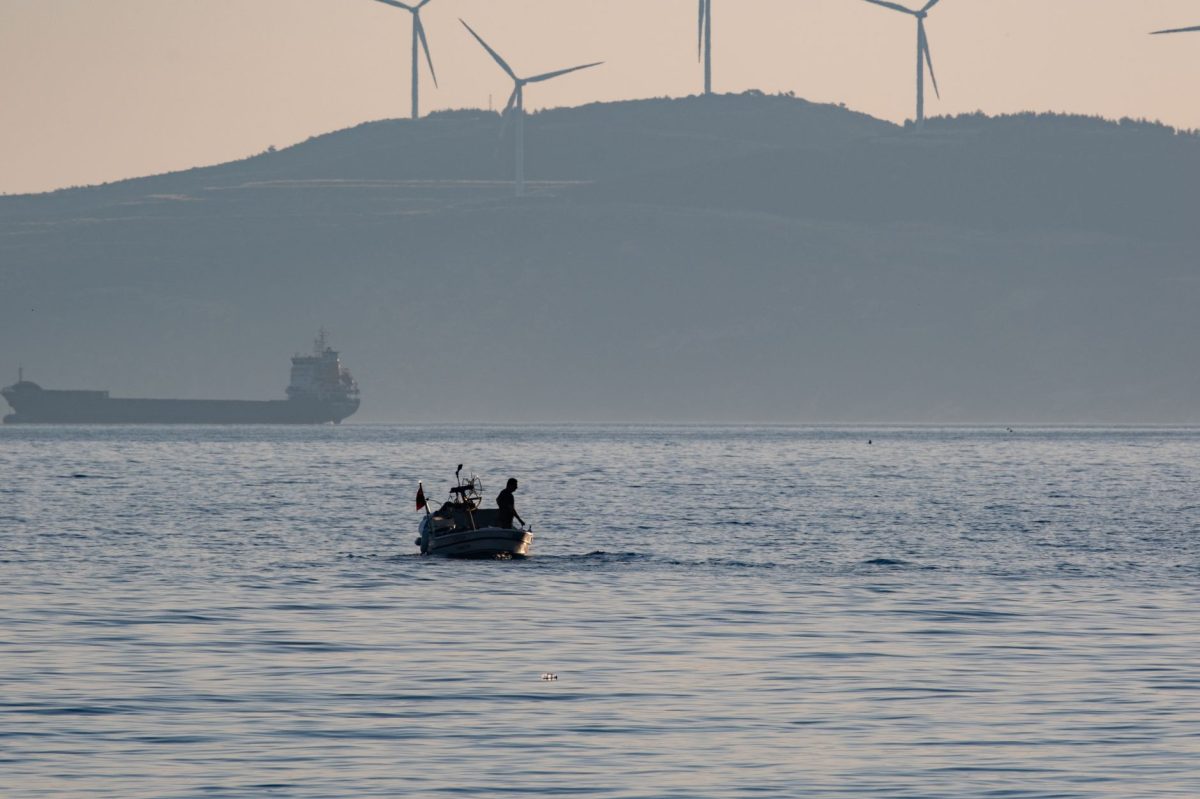
A total of 131 Gambians have lost their lives while attempting irregular migration journeys in 2026, with the vast majority of deaths occurring at sea. This stark statistic highlights the perilous nature of irregular migration and the need for urgent action to address this pressing issue.
What Happened: Gambians Lost in Irregular Migration Routes
According to Baye Gassama, Chief Executive Officer of the Network, a total of 131 Gambians have died while attempting irregular migration journeys in 2026. The majority of these deaths, approximately 90%, occurred at sea, while the remaining 10% occurred on land. The victims, predominantly young men, were attempting to reach Europe in search of better economic opportunities. Gassama's account to Foroyaa revealed a harrowing story of desperation and tragedy. Baye Gassama's words are a stark reminder of the human cost of irregular migration. The deaths of these young men and women underscore the need for a coordinated approach to address the root causes of irregular migration. As Gassama noted, 'We need to address the push factors that drive people to seek irregular migration routes in the first place.' These push factors include poverty, lack of education, and limited job opportunities.
Why It Matters: The Broader Pattern of Irregular Migration
The deaths of 131 Gambians are not an isolated incident, but rather a symptom of a broader pattern of irregular migration that affects many countries in West Africa. The Network's report highlights the vulnerability of migrants, who are often preyed upon by smugglers and traffickers. The lack of safe and legal migration channels exacerbates this problem, forcing migrants to take great risks to reach their destinations. As a result, the deaths of Gambians are not just a statistic, but a human tragedy that requires a concerted effort to address. The international community must work together to create safe and legal migration channels, and to address the root causes of irregular migration. This will not only save lives but also promote economic development and stability in West Africa.
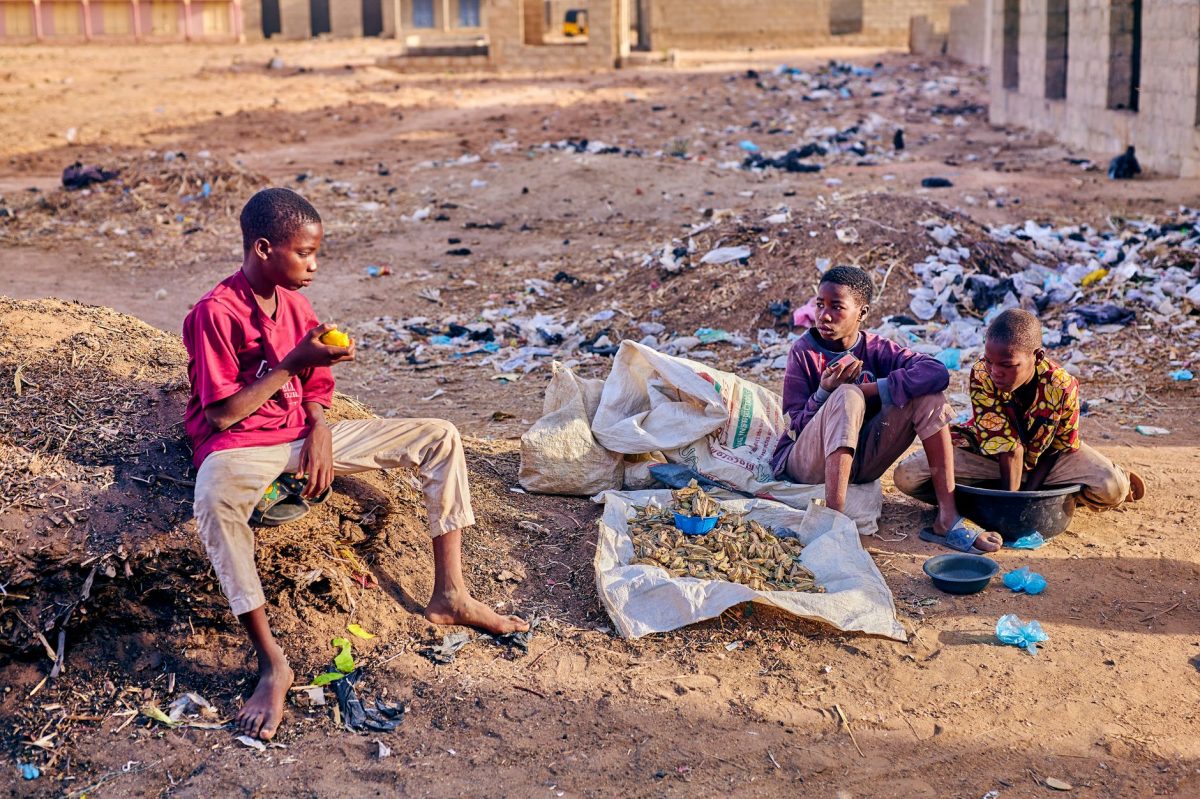

“We need to address the push factors that drive people to seek irregular migration routes in the first place. We need to create safe and legal migration channels, and to promote economic development and stability in West Africa.”
What We Don't Know Yet: Gaps and Uncertainty
Despite the Network's report, there are still many gaps and uncertainties surrounding irregular migration in West Africa. For example, the exact number of Gambians who have attempted to irregularly migrate in 2026 is unknown, as many cases go unreported. Additionally, the role of smugglers and traffickers in facilitating irregular migration remains unclear. Further research is needed to fill these gaps and to develop effective strategies to address irregular migration. The international community must also work together to establish a coordinated response to irregular migration, including the development of safe and legal migration channels. This will require a sustained effort and a commitment to addressing the root causes of irregular migration.
Key Takeaways
- 131 Gambians have died while attempting irregular migration journeys in 2026, with the majority dying at sea.
- The Network's report highlights the vulnerability of migrants, who are often preyed upon by smugglers and traffickers.
- The deaths of Gambians are not an isolated incident, but rather a symptom of a broader pattern of irregular migration that affects many countries in West Africa.
- The international community must work together to create safe and legal migration channels, and to address the root causes of irregular migration.
What to Watch: Key People and Realistic Outcomes
In the coming days and weeks, the international community will be watching closely to see how governments and international organizations respond to the Network's report. Key players, including the European Union, the African Union, and the United Nations, must work together to develop a coordinated response to irregular migration. Realistic outcomes will depend on the willingness of governments to address the root causes of irregular migration and to create safe and legal migration channels. The deaths of 131 Gambians serve as a stark reminder of the human cost of inaction. In the absence of a coordinated response, more lives will be lost, and the problem of irregular migration will continue to worsen.
Despite the dangers, many migrants are driven to attempt irregular migration journeys due to the perceived benefits of reaching their destinations, with some even resorting to using social media to document their journeys and raise awareness about the issue.
The deaths of 131 Gambians are a human tragedy that requires a concerted effort to address. The international community must work together to create safe and legal migration channels, and to address the root causes of irregular migration. This will not only save lives but also promote economic development and stability in West Africa.