US-Iran Tensions Escalate as Congress Returns from Recess with Tight Deadlines

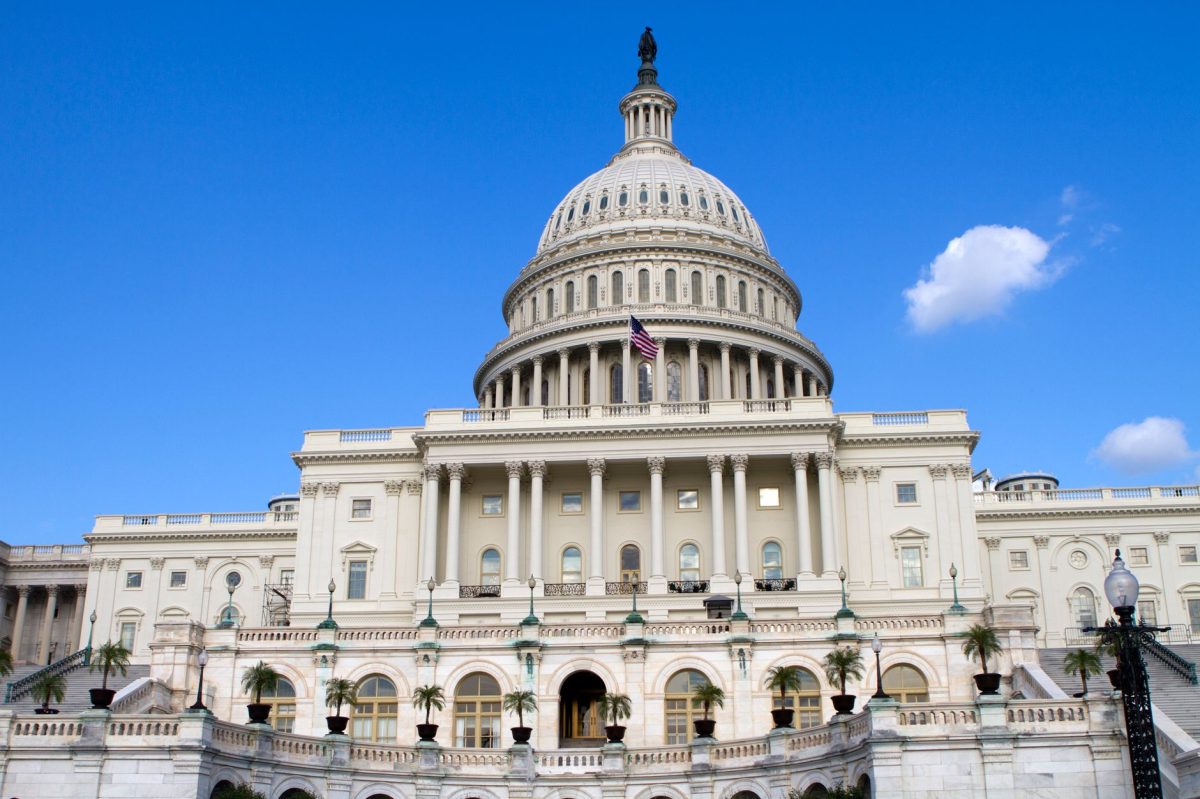
The US and Iran exchanged fire over the weekend, amid growing tensions over the Strait of Hormuz, a critical waterway through which a significant portion of the world's oil passes. This escalation in tensions is particularly concerning given the US Congress's return from recess with tight deadlines, including a vote on a bipartisan Iran sanctions bill.
US and Iran Exchange Fire over Strait of Hormuz
According to multiple reports, the US and Iran exchanged fire over the weekend in the Strait of Hormuz, a critical waterway through which a significant portion of the world's oil passes. The exchange of fire occurred on Saturday, with a US official confirming the incident to Reuters. The official stated that the US military had detected and engaged an Iranian boat that had approached a US naval vessel in the strait. The incident highlights the growing tensions between the US and Iran, which have been escalating in recent weeks. According to a report by the Washington Post, the US has been concerned about Iranian aggression in the region, particularly in the wake of a rocket attack on a US military base in Iraq earlier this month. The US has also been pressing for a United Nations Security Council resolution to condemn Iran's actions in the region. US Secretary of State Antony Blinken has stated that the US is committed to keeping the Strait of Hormuz open, but has also emphasized the need for Iran to stop its aggressive behavior. The US has also been working with its allies to establish a maritime security coalition to protect shipping in the region. According to an AP report, the US has sent a high-level delegation to the Middle East to coordinate with regional allies and discuss ways to address the growing tensions with Iran.
Why Tensions with Iran Matter
The escalating tensions between the US and Iran have significant implications for the global economy and national security. The Strait of Hormuz is a critical waterway through which a significant portion of the world's oil passes, making it a key chokepoint in global energy supplies. An escalation of tensions in the region could have serious consequences for global oil prices, potentially leading to economic instability. Additionally, the growing tensions with Iran have implications for national security, particularly for countries in the region. According to a report by the Brookings Institution, the US has been concerned about Iran's military capabilities, including its ballistic missile program and its support for proxy forces in the region. The US has also been working to counter Iran's influence in the region, including through a series of military operations and diplomatic initiatives. The escalating tensions with Iran also highlight the need for a sustained and coordinated international response to address the growing security challenges in the region.


“The US is committed to keeping the Strait of Hormuz open, but we also need Iran to stop its aggressive behavior. We're working with our allies to establish a maritime security coalition to protect shipping in the region.”
What We Don't Know Yet
Despite the escalating tensions between the US and Iran, there are still many unanswered questions about the situation. One of the key uncertainties is the level of Iranian involvement in the exchange of fire over the weekend. While the US has confirmed the incident, it is unclear whether the Iranian boat was acting under official orders or was a rogue vessel. Additionally, there are still many questions about the implications of the escalating tensions for the global economy and national security. According to a report by the Wall Street Journal, the US has been working to mitigate the economic impact of the escalating tensions, including through a series of diplomatic initiatives and economic sanctions. However, the full extent of the economic impact is still unclear. Finally, there are also many questions about the potential consequences of a military escalation in the region. According to a report by the Council on Foreign Relations, the US has been concerned about the risks of a military conflict with Iran, including the potential for significant civilian casualties and damage to regional infrastructure.
Key Takeaways
- The US and Iran exchanged fire over the weekend in the Strait of Hormuz.
- The escalating tensions have significant implications for the global economy and national security.
- The US has been working to establish a maritime security coalition to protect shipping in the region.
- The US Congress is expected to vote on a bipartisan Iran sanctions bill in the coming weeks.
What to Watch
The escalating tensions between the US and Iran are likely to be a major focus of attention in the coming days and weeks. One of the key things to watch is the response of the US Congress to the escalating tensions. The US Senate is expected to vote on a bipartisan Iran sanctions bill in the coming weeks, which could have significant implications for the situation. Additionally, the US has been working to establish a maritime security coalition to protect shipping in the region, which could involve the deployment of additional US military assets to the region. Finally, the international community is also likely to be watching the situation closely, including the United Nations Security Council, which has been briefed on the situation by the US ambassador.
The escalating tensions between the US and Iran are a pressing concern for the international community, and require a sustained and coordinated response to address the growing security challenges in the region. The US has been working to mitigate the economic impact of the escalating tensions, including through a series of diplomatic initiatives and economic sanctions. However, the full extent of the economic impact is still unclear, and the potential consequences of a military escalation in the region are significant. Ultimately, the situation requires a calm and nuanced response, one that takes into account the complex and multifaceted nature of the issue.