Tour de France Stage to Be Shortened Due to Intense Heatwave

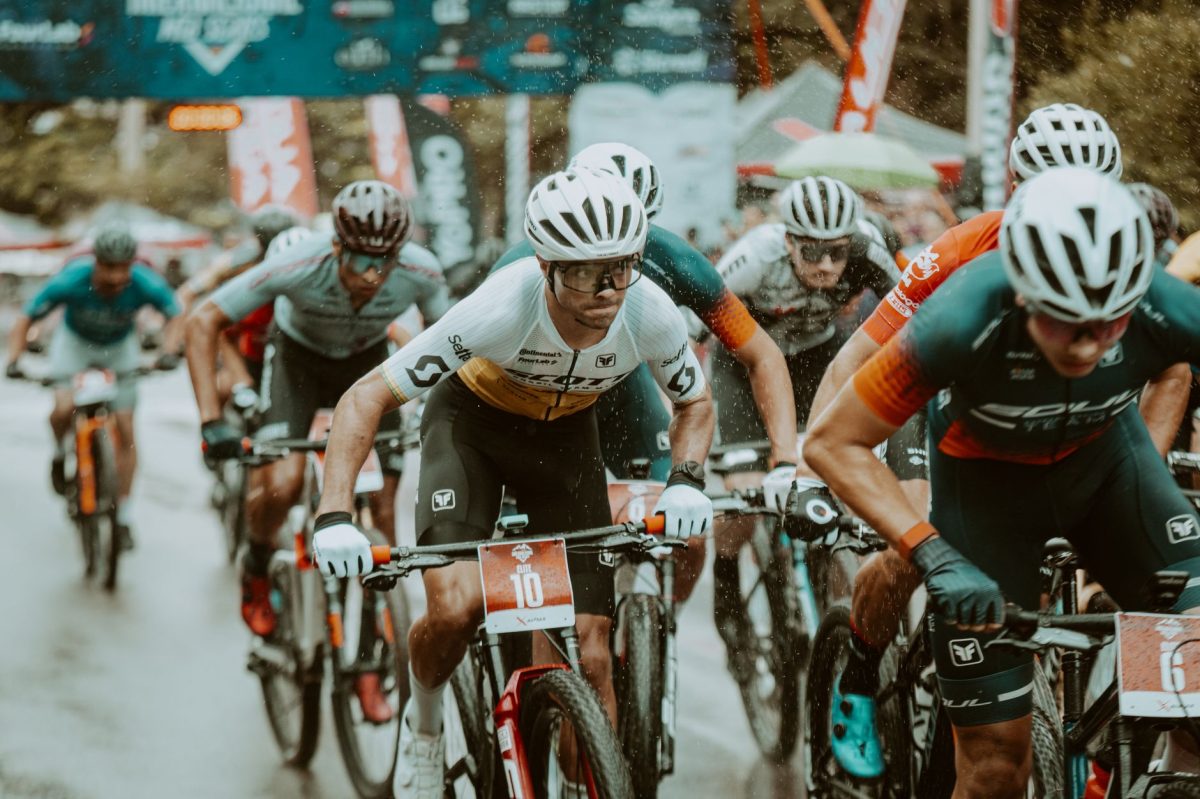
For the first time in its 117-year history, the Tour de France is facing a heatwave that has prompted organisers to take drastic measures to ensure rider safety. The impact on the competition and the cyclists themselves will be significant.
Historic Decision Made by Organisers
Account to AFP, [ASO] has decided to shorten Stage 15 of the Tour de France due to the intense heatwave forecasted for the region. The stage, which was set to cover 220km, will now be reduced to 150km, with the hilly loop at the start of the stage being cut out. According to sources, the decision was made after consulting with local authorities and weather experts. The move marks a significant departure from the traditional format of the Tour de France. ASO has stated that the safety of the riders is their top priority, and they will continue to monitor the situation closely. The decision has sparked debate among cycling fans and experts, with some questioning the impact on the competition and others praising ASO for prioritising rider safety. The exact timing and location of the reduced stage have yet to be confirmed.
Ripple Effects on the Competition
The shortened stage could have significant implications for the overall outcome of the Tour de France. With the reduced distance, some riders may be able to conserve energy and gain an advantage over their competitors. However, others may struggle to adapt to the new format, which could lead to a more unpredictable and exciting competition. Furthermore, the decision may also have implications for the tactics employed by teams and riders, with some potentially opting for a more aggressive approach to take advantage of the reduced distance. The Tour de France is known for its unpredictable nature, and this decision could add an extra layer of complexity to the competition. The impact on the overall standings and the eventual winner of the Tour de France remains to be seen. As the competition continues, fans will be watching closely to see how the shortened stage affects the outcome.
“We are prioritising the safety of the riders above all else. The decision to shorten the stage was not taken lightly, but we believe it is the best course of action in the current circumstances.”
What We Don't Know Yet
While the decision to shorten the stage has been made, there are still many unanswered questions. The exact timing and location of the reduced stage have yet to be confirmed, and it remains to be seen how the competition will unfold. The impact of the heatwave on the riders' performance and the outcome of the Tour de France remains to be seen. As the competition continues, fans will be watching closely to see how the shortened stage affects the overall standings and the eventual winner of the Tour de France. Furthermore, the decision may also have implications for the sport as a whole, and raise questions about the safety and feasibility of holding major sporting events in areas with high temperatures.
What to Watch
In the coming days, fans will be watching closely to see how the shortened stage affects the competition. The exact timing and location of the reduced stage will be announced shortly, and the impact on the riders' performance and the overall standings will become clear. The weather forecast for the region will also be closely monitored, with the heatwave expected to continue in the coming days. The competition will continue to unfold, and fans will be watching closely to see how the shortened stage affects the outcome. As the Tour de France continues, it will be interesting to see how organisers adapt to the changing circumstances and how the competition unfolds.
Despite the intense heatwave, the average body temperature of a Tour de France rider can reach as high as 104°F (40°C) during a stage, making them more resistant to heat-related illnesses than the average person.
The Tour de France has always been known for its unpredictability, and this decision adds an extra layer of complexity to the competition. As the competition continues, fans will be watching closely to see how the shortened stage affects the outcome. The safety of the riders remains the top priority, and organisers will continue to monitor the situation closely. Regardless of the outcome, the decision to shorten the stage will be remembered as a historic moment in the history of the Tour de France.