Panel on Simultaneous Polls Unlikely to Finalise Report by Monsoon Session

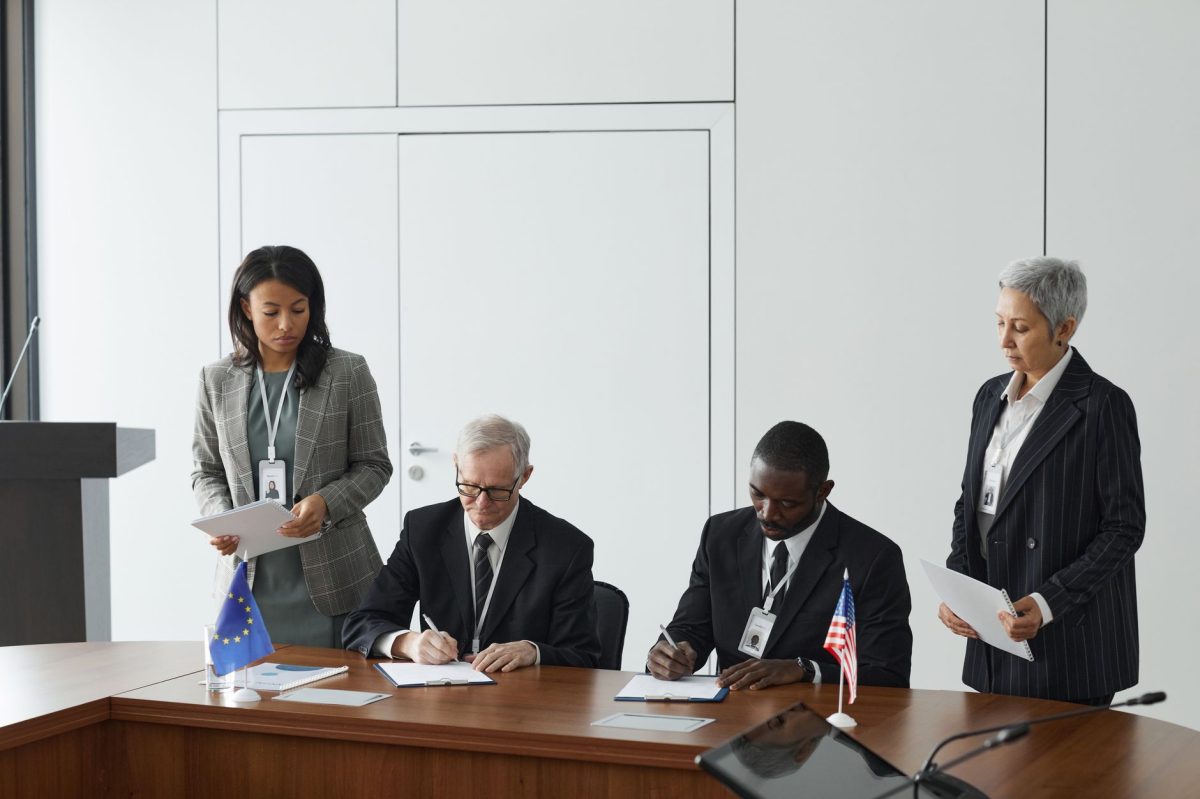
Panel chairperson P.P. Chaudhary has hinted that more consultations are necessary before the report can be finalised, pushing back the expected completion date beyond the Monsoon Session. This development is crucial for the country, as the report's recommendations will have a significant impact on the electoral system. The delay in finalising the report raises concerns about the potential effects on the upcoming elections and the overall democratic process.
What Happened
According to sources, the panel chaired by P.P. Chaudhary has been working on the report since its inception. P.P. Chaudhary, a member of the Bharatiya Janata Party, has been leading the panel's efforts to address the complexities surrounding simultaneous polls. The panel has been consulting with various stakeholders, including experts and government officials, to gather inputs and recommendations. In a recent development, the panel has announced that it will be visiting Uttar Pradesh on July 9, which is expected to further delay the report's completion. Account to sources within the panel reveal that the visit is necessary to gather more information and insights on the ground. For instance, the panel plans to meet with local officials and conduct meetings with the state's election commission to understand the challenges and feasibility of implementing simultaneous polls in the state. This additional consultation is expected to take several weeks, pushing the report's completion date beyond the Monsoon Session.
Why It Matters
The delay in finalising the report has significant implications for the country's electoral system. One of the primary concerns is the potential disruption to the electoral process. Simultaneous polls, if implemented, would require significant changes to the existing electoral infrastructure, including the creation of new voter lists, updating electoral rolls, and reconfiguring polling stations. The delay in finalising the report means that these changes will not be implemented in time for the upcoming elections, potentially causing confusion and disenfranchisement among voters. Additionally, the delay raises concerns about the potential for electoral manipulation and the integrity of the democratic process. The lack of clarity on the report's recommendations and the electoral process creates an environment conducive to political opportunism and potential electoral malpractices. Furthermore, the delay in finalising the report undermines the government's commitment to electoral reform and good governance. The people of India deserve a transparent and accountable electoral system, which is currently being compromised by the delay in finalising the report. The report's recommendations will have a significant impact on the electoral system, and the delay in finalising it raises concerns about the potential effects on the democratic process.
What We Don't Know Yet
Despite the panel's efforts, there are still several questions surrounding the report's finalisation. One of the key concerns is the lack of clarity on the report's recommendations. The panel has not provided any concrete details on the proposed electoral reforms, leaving stakeholders and experts in the dark. The delay in finalising the report has also raised concerns about the potential for electoral manipulation and the integrity of the democratic process. The lack of transparency and accountability in the electoral process creates an environment conducive to political opportunism and potential electoral malpractices. Furthermore, the delay in finalising the report undermines the government's commitment to electoral reform and good governance. The report's finalisation will depend on the outcome of our consultations in Uttar Pradesh, and it is unclear what specific recommendations will be included.
What to Watch
In the next 24-72 hours, stakeholders will be keeping a close eye on the panel's activities in Uttar Pradesh. The panel's visit is expected to provide crucial insights into the challenges and feasibility of implementing simultaneous polls in the state. Key people to watch include P.P. Chaudhary, the panel's chairperson, and the state's election commission officials. Realistic outcomes to monitor include the potential for the report's finalisation to be pushed back further, the introduction of new electoral reforms, and the impact on the upcoming elections. The panel's visit to Uttar Pradesh will provide crucial insights into the challenges and feasibility of implementing simultaneous polls in the state.