Exclusive: Inside the European Wildfires: How Climate Change Is Fueling the Blaze

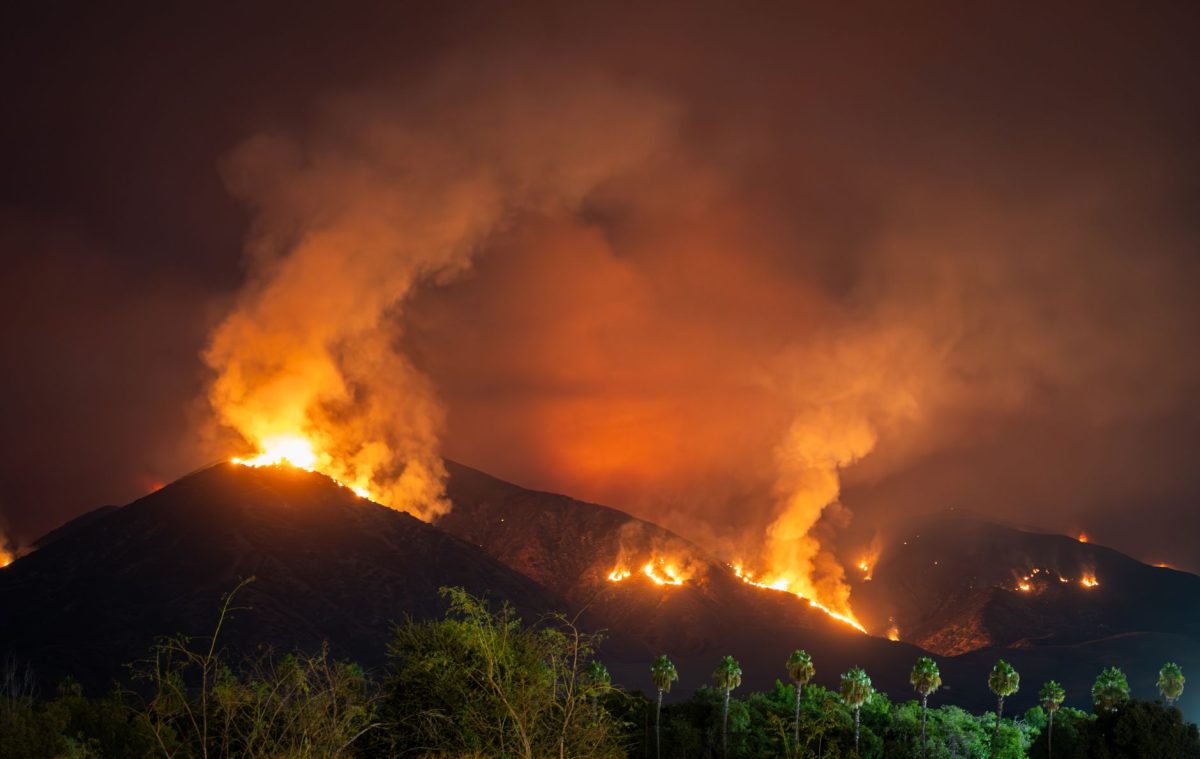
Wildfires are raging in six countries in southern Europe, including Portugal, Greece, France, and Spain, with the southwestern France blaze threatening to impact Monday's third stage of the Tour de France. This disaster highlights the increasingly dire consequences of climate change, as prolonged heatwaves and drought conditions create a perfect storm for devastating wildfires. The impact on ordinary people is severe, with thousands forced to evacuate their homes and livelihoods disrupted.
The Devastating Scope of the Wildfires
The wildfires, which have been burning for over a week, have already consumed hundreds of thousands of acres of land, with the situation showing no signs of abatement. According to the European Union's disaster management agency, Emergency Response Coordination Centre (ERCC), the blazes have been fueled by strong winds, with temperatures soaring to record highs in some areas. Account to ERCC, at least 50 people have been injured in the fires, with several reported missing. In Portugal, the fires have ravaged entire towns, leaving residents without access to basic necessities like food and water. The French government has mobilized thousands of firefighters, with military personnel also deployed to support the efforts. In Greece, the fires have been particularly destructive, with entire forests reduced to ashes. According to a report by the Greek Forest Service, the fires have destroyed over 150,000 acres of forestland. The Spanish government has also been hit hard, with fires reported in multiple regions, including Catalonia and Valencia.
The Climate Connection
The devastating wildfires in southern Europe are a stark reminder of the dire consequences of climate change. Prolonged heatwaves and drought conditions have created a perfect storm for devastating wildfires. According to a study published in the journal Nature, the number of wildfires in Europe has increased by 40% over the past decade, with the majority attributed to climate change. The impact on ordinary people is severe, with thousands forced to evacuate their homes and livelihoods disrupted. In addition, the economic costs are immense, with estimates suggesting that the total damage could exceed €1 billion. The situation is particularly dire for rural communities, where the loss of livelihoods and infrastructure can have long-lasting effects. According to a report by the European Commission, the economic impact of climate-related disasters in the EU has increased by 50% over the past five years. The European Union has pledged to take action to reduce greenhouse gas emissions and mitigate the effects of climate change. However, the pace of progress is slow, and the consequences of inaction are severe.

“We are facing a climate emergency, and the wildfires in Europe are a stark reminder of the devastating consequences of inaction. We must take immediate action to reduce greenhouse gas emissions and invest in climate resilience measures.”
What We Don't Know Yet
Despite the efforts of emergency responders, there are still many unknowns about the extent of the damage and the long-term consequences of the wildfires. According to a report by the European Space Agency, the full extent of the damage may not be known for several weeks. The impact on local ecosystems and wildlife is also a concern, with many species threatened by the loss of habitat and the spread of invasive species. In addition, the economic costs of the disaster are still unclear, with estimates suggesting that the total damage could exceed €1 billion. The situation is further complicated by the presence of toxic pollutants in the air, which can have long-lasting effects on human health. According to a report by the World Health Organization, exposure to air pollution can increase the risk of respiratory diseases and certain types of cancer. The long-term consequences of the wildfires will only become clear in the coming weeks and months, as the full extent of the damage becomes apparent.
What to Watch
In the coming days, there are several key developments to watch as the situation unfolds. The French government has announced plans to increase the number of firefighters deployed to the affected areas, with military personnel also expected to be deployed to support the efforts. In Portugal, the government has pledged to provide support to affected communities, including emergency aid and infrastructure repairs. In Greece, the government has announced plans to increase funding for climate resilience measures, including reforestation and wildfire prevention initiatives. According to a report by the Greek Ministry of Environment and Energy, the government plans to allocate €100 million for climate resilience measures in the coming year. The situation will continue to evolve in the coming days and weeks, with the full extent of the damage and the long-term consequences still unclear.
Surprisingly, some wildfires can actually help the environment by clearing out dead vegetation and promoting new growth.
The wildfires in southern Europe are a tragic reminder of the devastating consequences of climate change. As the situation unfolds, it is clear that the impact on ordinary people is severe, and the economic costs are immense. We must take immediate action to reduce greenhouse gas emissions and invest in climate resilience measures to mitigate the effects of climate change. This disaster highlights the need for urgent action, and we must learn from this tragedy to build a more resilient future for all.