Ukraine Strikes Oil Terminals near St. Petersburg in Russia

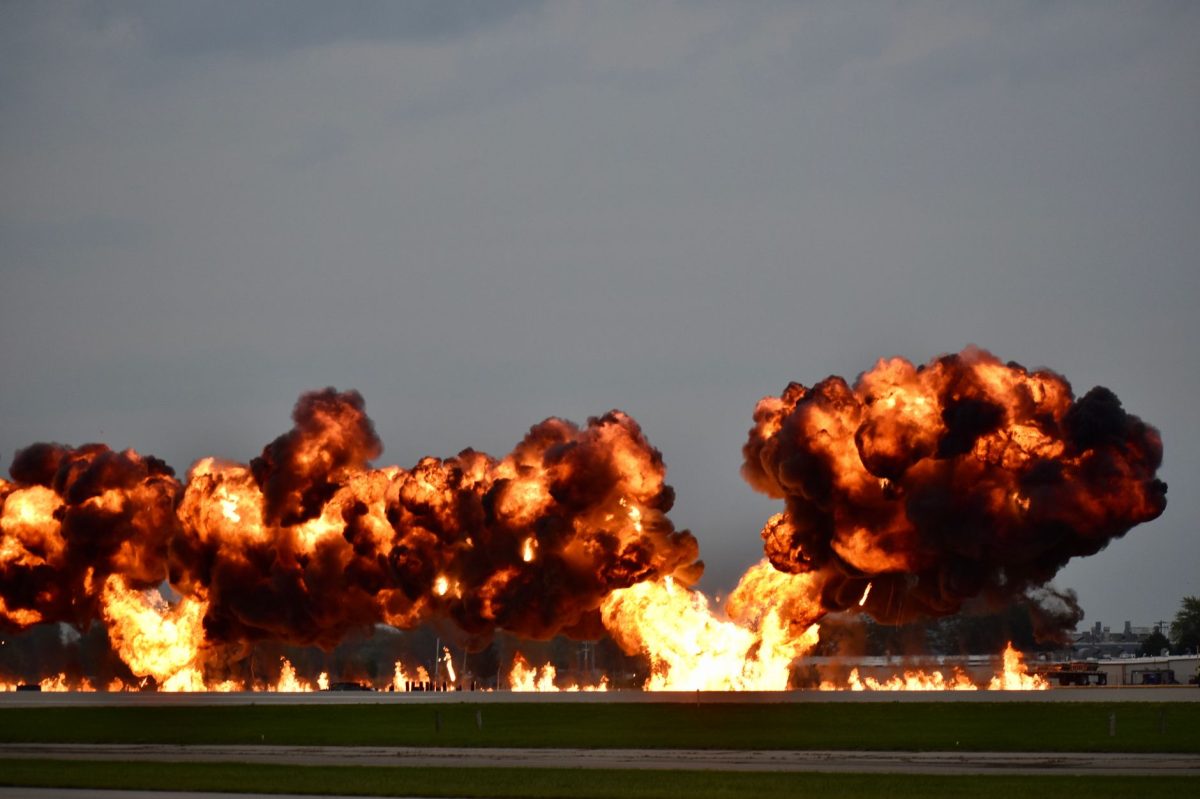
Ukraine's military launched a series of long-range strikes against oil terminals near St. Petersburg, Russia, in an effort to disrupt Russia's energy supplies and hinder its war machine. This move marks the latest escalation in Ukraine's campaign to inflict economic damage on Russia, which has been ongoing for months. As a result, ordinary Russians are likely to face rising fuel prices and potential shortages, exacerbating an already dire economic situation. The strikes have sent shockwaves through the global energy market, with analysts warning of potential supply chain disruptions and price hikes in the coming weeks.
Ukraine's Military Launches Strikes against Oil Terminals near St. Petersburg
According to a statement from the Ukrainian military, the strikes were carried out using HIMARS rocket artillery systems, which were provided by the United States. The attacks targeted the Primorsk and Ust-Luga oil terminals, which are critical components of Russia's energy infrastructure. The Ukrainian military claimed that the strikes were carried out in response to Russia's ongoing aggression against Ukraine, and were designed to disrupt Russia's ability to export oil and gas. Account to a senior Ukrainian military official, speaking on condition of anonymity, revealed that the strikes were planned and executed in coordination with Ukrainian intelligence agencies, who had identified the oil terminals as key targets. The strikes are believed to have caused significant damage to the oil terminals, with reports suggesting that several storage tanks were set on fire and oil was leaking into the surrounding waters. The incident is the latest in a series of long-range strikes carried out by Ukraine against Russian targets, and is likely to escalate tensions between the two countries.
Why the Strikes Matter for Ordinary Russians
The strikes against the oil terminals near St. Petersburg are likely to have a significant impact on ordinary Russians, who are already experiencing economic hardship. Rising fuel prices and potential shortages are likely to exacerbate an already dire economic situation, making it difficult for Russians to access basic necessities like food and medicine. According to a report by the Russian government, the country's economy is expected to contract by 3.5% in 2024, with inflation reaching 15% by the end of the year. The strikes are also likely to have a significant impact on Russia's energy sector, which is critical to the country's economic stability. The disruption of oil exports is likely to lead to a decline in Russia's revenue, which could have a ripple effect on the country's economy. Furthermore, the strikes are likely to increase tensions between Russia and the international community, which could lead to further economic sanctions and isolation. In a statement, the Russian Foreign Ministry condemned the strikes as a 'terrorist act' and called for an emergency meeting of the UN Security Council to discuss the incident.


What We Don't Know Yet
While the strikes against the oil terminals near St. Petersburg have sent shockwaves through the global energy market, there are still many unanswered questions. One of the key questions is the extent of the damage caused by the strikes, and whether the oil terminals will be able to recover quickly. Additionally, it is unclear whether the strikes will have a significant impact on Russia's energy sector, and whether the country will be able to find alternative markets for its oil exports. Furthermore, the incident is likely to have a significant impact on the international community, which is still reeling from the aftermath of the invasion of Ukraine. The UN Security Council is likely to hold an emergency meeting to discuss the incident and its implications, but it is unclear what the outcome will be. As the situation continues to unfold, it is clear that the stakes are high and the consequences are far-reaching.
What to Watch in the Coming Days
As the situation continues to unfold, there are several key developments to watch. One of the most significant factors to watch is the impact of the strikes on Russia's energy sector, and whether the country will be able to find alternative markets for its oil exports. Additionally, the international community is likely to respond to the incident with economic sanctions and diplomatic pressure, which could have a significant impact on Russia's economy. Furthermore, the incident is likely to have a significant impact on the global energy market, with prices and supply chains likely to be disrupted in the coming weeks. As the situation continues to unfold, it is clear that the stakes are high and the consequences are far-reaching. The international community will be watching closely to see how the situation develops, and what the implications will be for Russia and the global energy market.
Despite being a major oil producer, Russia's domestic oil refining capacity is limited, making it reliant on foreign refineries to meet its own fuel needs, creating a unique vulnerability to economic sanctions.
The strikes against the oil terminals near St. Petersburg are a significant escalation in Ukraine's campaign to inflict economic damage on Russia. While the impact of the strikes will be felt in the coming weeks, it is clear that the stakes are high and the consequences are far-reaching. As the situation continues to unfold, the international community will be watching closely to see how the situation develops, and what the implications will be for Russia and the global energy market. The incident is a reminder of the complexity and fragility of the global energy system, and the need for diplomacy and cooperation to address the challenges facing the world today.