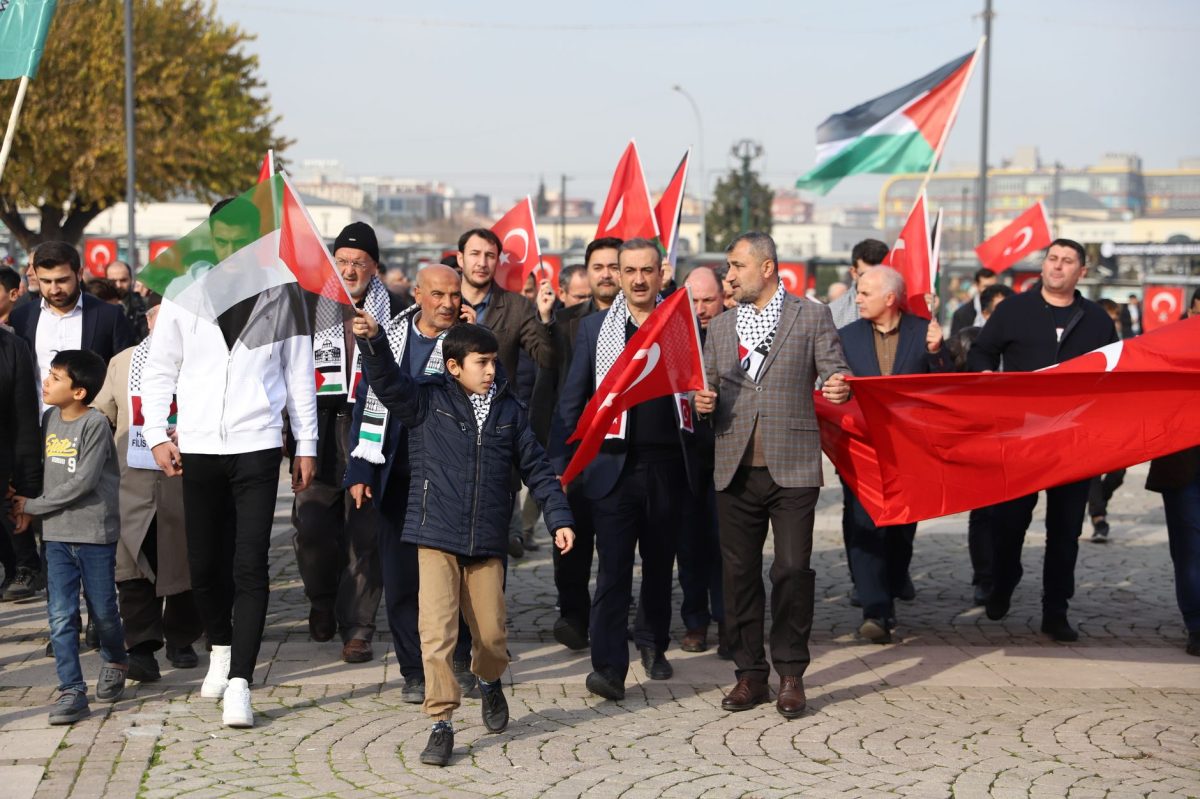
Iran Begins Public Mourning for Ayatollah Khamenei, Killed in February

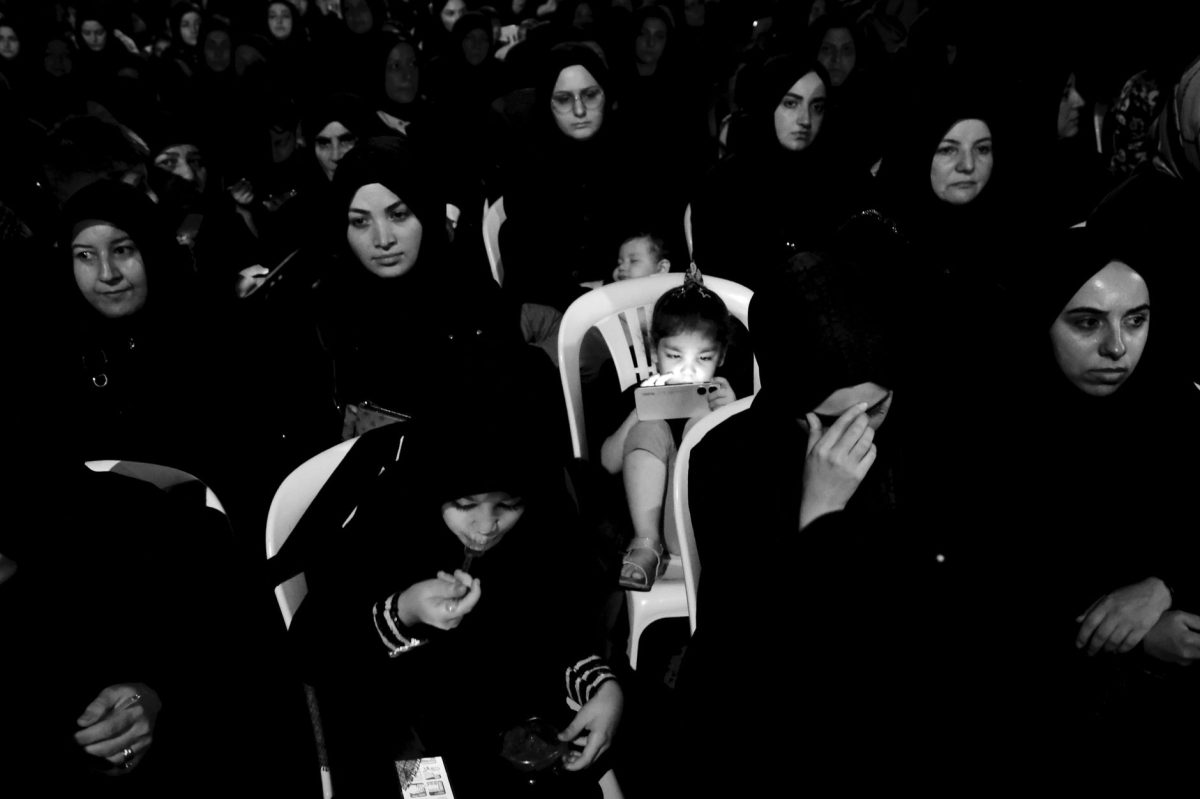
Ali Khamenei's body will lie in state in Tehran's Grand Mosalla from Friday, signaling the start of a days-long funeral process. This marks a significant moment in Iranian history, as Khamenei was a key figure in the country's government for over four decades. The mourning period will have a substantial impact on the lives of ordinary Iranians, who will be expected to observe strict dress codes and participate in funeral processions. The exact cause of Khamenei's death is still unknown.
Ayatollah Khamenei's Death and Funeral Procession Details
According to an account to the Iranian state media, Ayatollah Ali Khamenei's body will lie in state in Tehran's Grand Mosalla from Friday, March 31, to Monday, April 3. The funeral procession, which will be attended by high-ranking government officials and foreign dignitaries, will take place on Tuesday, April 4, from the Grand Mosalla to the Behesht-e Zahra cemetery, where Khamenei will be buried. Khamenei's body will be placed in a golden coffin, adorned with intricate designs and patterns, which was traditionally used to carry the bodies of senior clerics in Iran. The funeral will be attended by thousands of mourners, who will be required to observe strict dress codes and participate in the funeral processions. The Iranian authorities have also announced that the funeral will be broadcast live on state television, allowing millions of Iranians to participate in the mourning process remotely.
Why Ayatollah Khamenei's Death Matters to Ordinary Iranians
Khamenei's death marks a significant moment in Iranian history, as he was a key figure in the country's government for over four decades. During his tenure, Khamenei played a crucial role in shaping the country's foreign and domestic policies, and his death will likely have a substantial impact on the lives of ordinary Iranians. The mourning period will be a chance for Iranians to pay their respects to Khamenei, but it will also create significant disruptions to the country's daily life. Many businesses and government institutions will be closed during the mourning period, and people will be expected to observe strict dress codes and participate in funeral processions. The funeral will also serve as a reminder of the importance of the Ayatollah's role in Iranian society and the significant impact his death will have on the country's future.
“Ayatollah Khamenei's death is a significant loss for the Iranian people and the Islamic world,”
What We Don't Know Yet About Ayatollah Khamenei's Death
Despite the Iranian authorities' efforts to provide details about Khamenei's death, many questions remain unanswered. The exact cause of Khamenei's death is still unknown, and the Iranian authorities have not provided any information about the circumstances surrounding his death. Additionally, the funeral procession and burial will be attended by thousands of mourners, but many details about the event, such as the number of attendees and the security arrangements, remain unclear. The Iranian authorities have also not provided any information about Khamenei's successor, which has raised concerns about the stability of the country's government in the aftermath of Khamenei's death.
Key Takeaways
- Ayatollah Khamenei's body will lie in state in Tehran's Grand Mosalla from Friday, March 31, to Monday, April 3.
- Khamenei's funeral procession will take place on Tuesday, April 4, from the Grand Mosalla to the Behesht-e Zahra cemetery.
- Many businesses and government institutions will be closed during the mourning period.
- The exact cause of Khamenei's death is still unknown.
- The Iranian authorities have not provided any information about Khamenei's successor.
What to Watch in the Next 24-72 Hours
In the next 24-72 hours, the situation in Iran will be closely monitored as the country enters a period of mourning for Ayatollah Khamenei. The funeral procession and burial will be watched closely by Iranian authorities, who will be ensuring the safety of attendees and the smooth execution of the event. The Iranian authorities will also be monitoring the reaction of the international community to Khamenei's death, which will have significant implications for the country's foreign relations. Meanwhile, the Iranian people will be observing the mourning period, which will create significant disruptions to the country's daily life.
Despite being a key figure in Iranian politics for over four decades, Ayatollah Khamenei was a relatively unknown figure outside of Iran until the 1979 revolution, and was not expected to become the country's supreme leader.
Ayatollah Khamenei's death marks a significant moment in Iranian history, and the mourning period will have a substantial impact on the lives of ordinary Iranians. As the country enters a period of mourning, the Iranian authorities will be ensuring the safety of attendees and the smooth execution of the event. The international community will also be watching closely, which will have significant implications for the country's foreign relations.