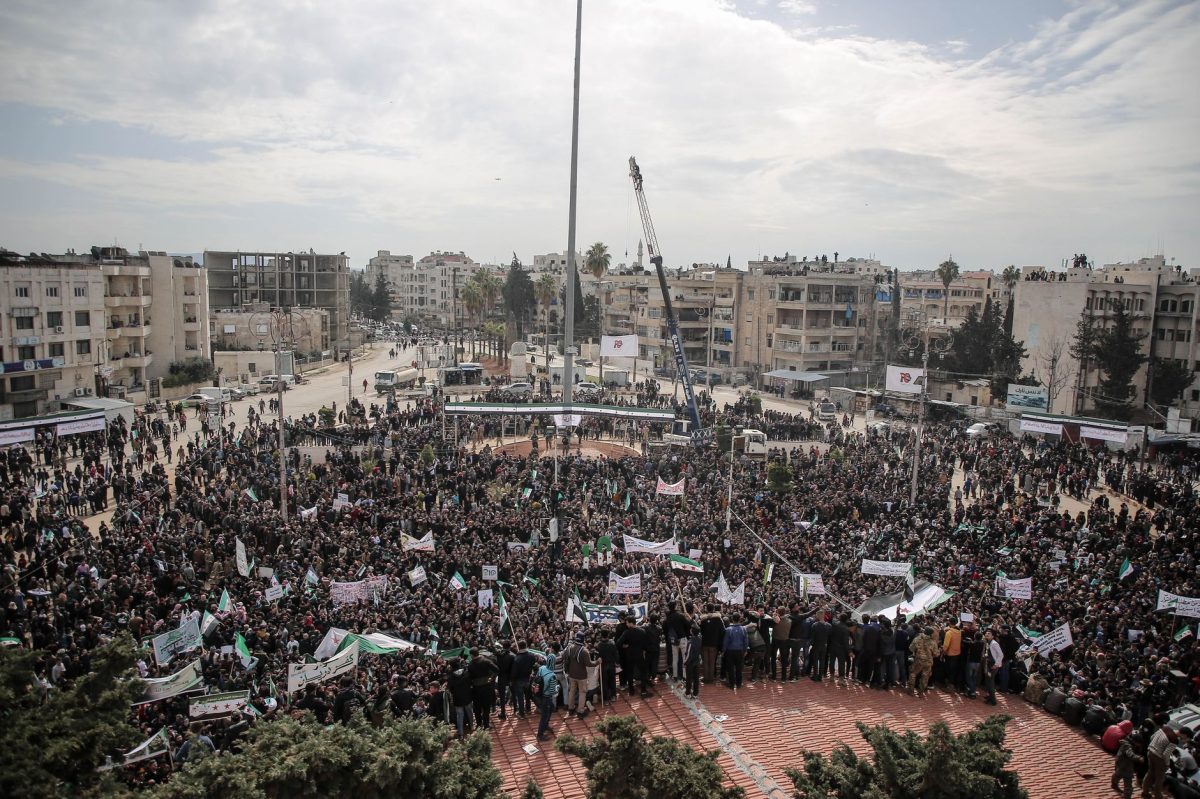
Democratic Republic of the Congo Faces Humanitarian Crisis Amid Ongoing Conflict

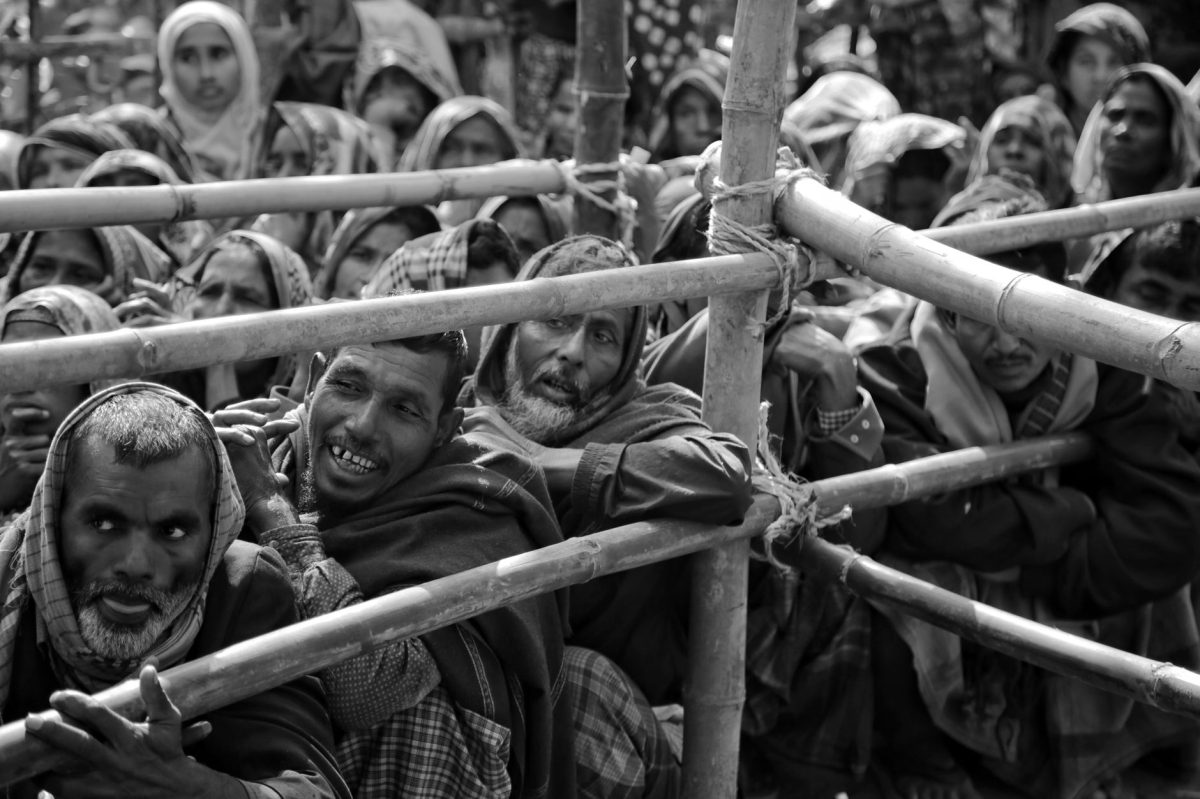
The Democratic Republic of the Congo is facing a severe humanitarian crisis, with over 4.5 million people internally displaced due to ongoing conflict. This mass displacement has significant implications for the affected populations, with many struggling to access basic necessities such as food, water, and healthcare. The crisis has been ongoing for years, with the conflict exacerbating existing vulnerabilities and pushing the country's fragile healthcare system to the brink.
WHAT HAPPENED
The conflict in the Democratic Republic of the Congo has its roots in the Second Congo War, which lasted from 1998 to 2003. The war involved multiple countries and factions, including the government, rebel groups, and neighboring countries. According to a report by the United Nations High Commissioner for Refugees (UNHCR), the conflict has resulted in over 4.5 million internally displaced persons, with many more fleeing to neighboring countries. The conflict has also led to widespread human rights abuses, including reports of mass rape, torture, and extrajudicial killings. According to the UNHCR, the majority of internally displaced persons are women and children.
WHY IT MATTERS
The humanitarian crisis in the Democratic Republic of the Congo has significant implications for the affected populations. Many internally displaced persons are struggling to access basic necessities such as food, water, and healthcare, making them vulnerable to disease, malnutrition, and other health crises. The crisis has also led to a breakdown in social services, including education and sanitation, exacerbating existing vulnerabilities and pushing the country's fragile healthcare system to the brink. In addition, the conflict has led to a significant economic burden on the country, with estimates suggesting that the conflict has cost the country over $1 billion in lost economic output.


“The humanitarian crisis in the Democratic Republic of the Congo is a stark reminder of the devastating effects of conflict on civilians. We must do everything in our power to support the affected populations and work towards a lasting peace in the region.”
WHAT WE DON'T KNOW YET
Despite the significant efforts of humanitarian organizations and the international community, there remain many unanswered questions about the humanitarian crisis in the Democratic Republic of the Congo. One of the biggest uncertainties is the long-term impact of the conflict on the country's healthcare system, with many experts warning of a potential collapse in the face of ongoing violence and displacement. Additionally, the role of neighboring countries in the conflict remains unclear, with some reports suggesting that they are providing support to rebel groups.
Key Takeaways
- The conflict in the Democratic Republic of the Congo has resulted in over 4.5 million internally displaced persons, according to the UNHCR.
- The humanitarian crisis has significant implications for the affected populations, including access to basic necessities such as food, water, and healthcare.
- The conflict has led to widespread human rights abuses, including reports of mass rape, torture, and extrajudicial killings.
- The humanitarian crisis has had a significant economic burden on the country, with estimates suggesting that the conflict has cost the country over $1 billion in lost economic output.
WHAT TO WATCH
In the coming days and weeks, several key developments will be worth monitoring in the Democratic Republic of the Congo. The signing of a peace agreement between the government and rebel groups is a potential game-changer, with many experts hoping that it will bring an end to the conflict and allow for the return of displaced populations. Additionally, the international community will be watching for any signs of increased humanitarian aid and support for the affected populations.
Despite being one of the poorest countries in the world, the Democratic Republic of the Congo has the potential to become one of the richest, due to its vast natural resources, including diamonds, gold, and cobalt.
The humanitarian crisis in the Democratic Republic of the Congo is a stark reminder of the devastating effects of conflict on civilians. As the international community works towards a lasting peace in the region, it is essential that we prioritize the needs of the affected populations and work towards a more sustainable and equitable future.