Russian Liquefied Natural Gas Imports to EU Rise Despite Phase-Out Efforts

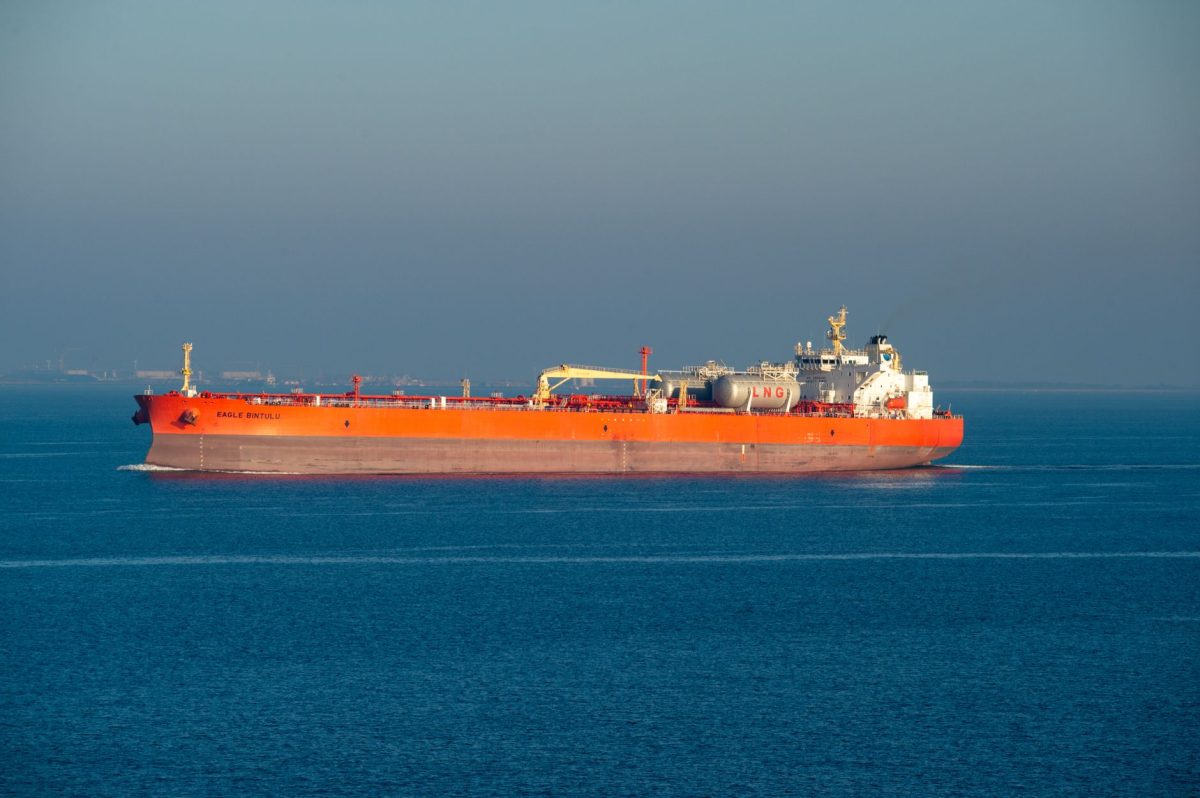
Russian liquefied natural gas continues to arrive in the European Union, defying efforts to phase out imports from Russia. This development has significant implications for the environment and the economies of EU member states. The majority of these imports enter the EU through Spain, France, Belgium, and the Netherlands. The persistence of Russian gas imports raises questions about the effectiveness of the EU's phase-out efforts and the region's energy security.
Russian Gas Imports to EU Despite Phase-Out Efforts
According to a recent report, Russian liquefied natural gas continued to arrive in the EU in significant quantities despite efforts to phase out imports from Russia. The majority of these imports entered the EU through Spain, France, Belgium, and the Netherlands. Pipeline deliveries remained concentrated in Hungary, Slovakia, and Greece. The report noted that these imports were largely due to the continued demand for natural gas in the EU and the limited availability of alternative energy sources. This development has significant implications for the environment and the economies of EU member states. The International Energy Agency (IEA) reported that EU demand for natural gas remained strong in 2023, with many member states relying heavily on imported gas to meet their energy needs. The IEA attributed this trend to the lack of investment in renewable energy sources and energy efficiency measures.
Why Russian Gas Imports Matter
The persistence of Russian gas imports to the EU has significant implications for the environment and the economies of EU member states. The continued reliance on natural gas leads to increased greenhouse gas emissions, which contribute to climate change. The EU has set ambitious targets to reduce its carbon footprint, but the continued importation of Russian gas undermines these efforts. Furthermore, the economic benefits of Russian gas imports are largely concentrated in the hands of a few large energy companies, leaving many EU citizens without access to affordable energy. The EU's Commissioner for Energy, Kadri Simson, noted that the EU's energy policy must prioritize the development of renewable energy sources and energy efficiency measures to reduce its reliance on imported gas.
“The EU's energy policy must prioritize the development of renewable energy sources and energy efficiency measures to reduce its reliance on imported gas.”
What We Don't Know Yet
The persistence of Russian gas imports to the EU raises several questions about the effectiveness of the EU's phase-out efforts and the region's energy security. One key question is whether the EU's efforts to develop alternative energy sources and reduce its reliance on imported gas are sufficient to meet its energy needs. Another question is whether the EU's energy policy is effective in mitigating the economic and environmental impacts of Russian gas imports. The IEA noted that the EU's energy policy is complex and multifaceted, making it challenging to determine the effectiveness of its efforts to reduce gas imports.
Key Takeaways
- Russian liquefied natural gas continues to arrive in the EU despite efforts to phase out imports from Russia.
- The majority of Russian gas imports enter the EU through Spain, France, Belgium, and the Netherlands.
- Pipeline deliveries remain concentrated in Hungary, Slovakia, and Greece.
- The EU's reliance on imported gas undermines its efforts to reduce greenhouse gas emissions and meet its energy needs.
What to Watch
The development of alternative energy sources and energy efficiency measures will be crucial in reducing the EU's reliance on imported gas. The IEA has predicted that renewable energy sources, such as solar and wind power, will play a significant role in meeting the EU's energy needs in the coming years. The EU's Commissioner for Energy, Kadri Simson, has emphasized the need for increased investment in renewable energy sources and energy efficiency measures to reduce the EU's reliance on imported gas. The IEA noted that the EU's energy policy must prioritize the development of renewable energy sources and energy efficiency measures to reduce its reliance on imported gas.
Russia is the world's largest exporter of natural gas, but it has no significant reserves of liquefied natural gas, relying on foreign companies to liquefy its gas for export.
The development of alternative energy sources and energy efficiency measures will be crucial in reducing the EU's reliance on imported gas. The EU's energy policy must prioritize the development of renewable energy sources and energy efficiency measures to reduce its reliance on imported gas.