Putin Admits Fuel Shortages in Russia Caused by Ukrainian Strikes

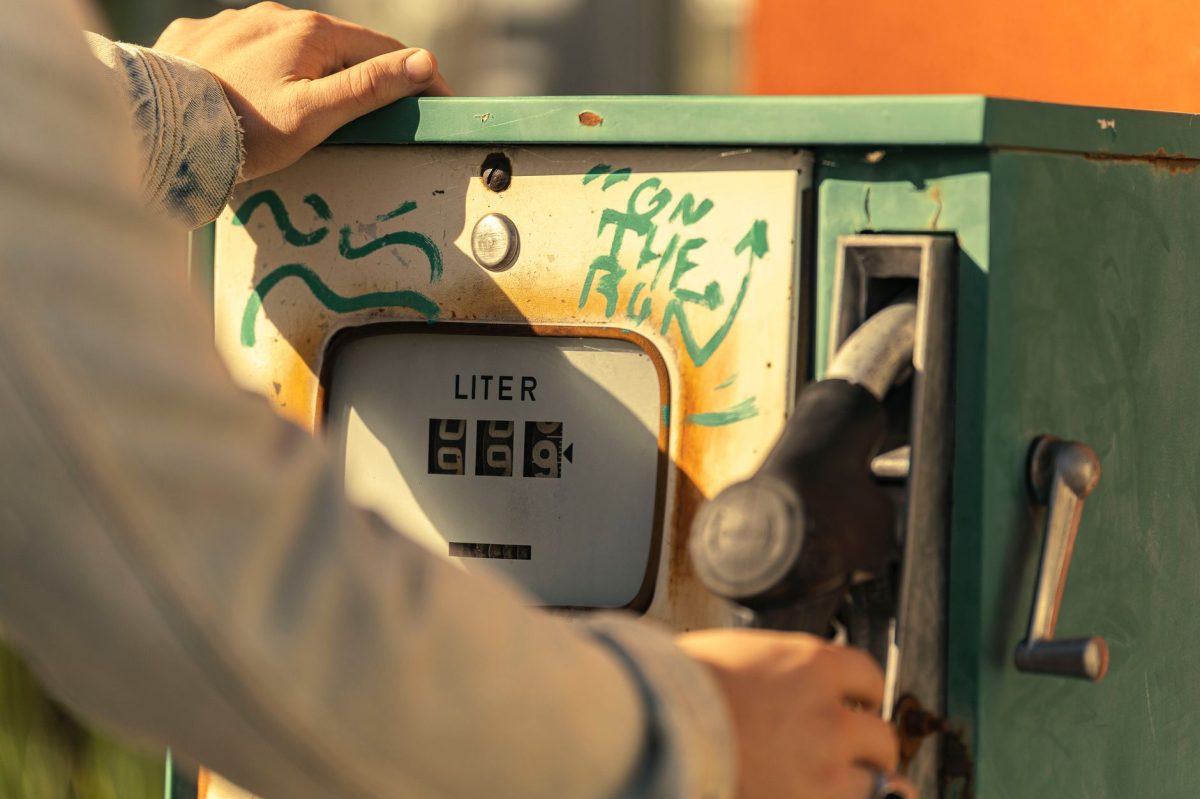
Russian President Vladimir Putin has acknowledged that Ukrainian strikes are causing fuel shortages in Russia, although he downplayed the severity of the issue. The admission is significant, as it marks a rare instance of Putin acknowledging the impact of Ukraine's military actions on Russia's energy infrastructure. The fuel shortages are likely to have far-reaching consequences for the Russian economy and ordinary citizens.
Putin's Rare Admission on Fuel Shortages
According to a statement released by the Kremlin, Putin acknowledged that Ukrainian strikes are 'obviously creating problems' with fuel supplies in Russia. The Russian president made the comments during a meeting with his top economic advisors, where he was briefed on the current state of the country's energy markets. Account to Bloomberg, Putin stated that the fuel shortages are not 'critical' at this time, but rather a 'temporary inconvenience' that can be managed through the country's emergency response systems. The admission is significant, as it marks a rare instance of Putin acknowledging the impact of Ukraine's military actions on Russia's energy infrastructure. For example, Putin noted that the fuel shortages are affecting the country's transportation sector, with many truck drivers experiencing delays and disruptions to their routes.
Why Fuel Shortages Matter
Economic Consequences: The fuel shortages are likely to have far-reaching consequences for the Russian economy. The country's energy markets are already under pressure, and the shortages are likely to exacerbate the situation. As a result, the Russian government may be forced to implement price controls or other measures to stabilize the market. Impact on Ordinary Citizens: The fuel shortages are also likely to have a significant impact on ordinary citizens, particularly those who rely on transportation for their daily needs. The shortages may lead to increased prices for fuel, which could have a devastating impact on low-income households. Additionally, the shortages may disrupt the country's food supply chains, making it harder for people to access essential goods and services.

“Putin stated that the fuel shortages are not 'critical' at this time, but rather a 'temporary inconvenience' that can be managed through the country's emergency response systems.”
What We Don't Know Yet
There are still many unknowns surrounding the fuel shortages in Russia. For example, it is unclear how long the shortages will last, or what the long-term consequences will be for the Russian economy. Additionally, it is unclear how the Russian government will respond to the shortages, and what measures they will take to mitigate the impact on ordinary citizens. The Ukrainian military has not commented on the fuel shortages, but it is likely that they will continue to target Russia's energy infrastructure in the coming days and weeks.
Key Takeaways
- Putin has admitted that Ukrainian strikes are causing fuel shortages in Russia
- The fuel shortages are likely to have far-reaching consequences for the Russian economy
- The shortages may disrupt the country's food supply chains and have a devastating impact on low-income households
- The Russian government will likely respond to the shortages in the coming days with measures to stabilize the market
What to Watch
Russian Government Response: The Russian government will likely respond to the fuel shortages in the coming days, possibly with price controls or other measures to stabilize the market. Ukrainian Military Actions: The Ukrainian military will likely continue to target Russia's energy infrastructure, potentially exacerbating the fuel shortages. Global Energy Markets: The fuel shortages in Russia may have a ripple effect on global energy markets, potentially leading to price increases and disruptions to supply chains.
Russia is the world's second-largest oil exporter, but it relies heavily on imported fuel for its domestic consumption, making it vulnerable to supply chain disruptions.
The fuel shortages in Russia are a complex issue with far-reaching consequences for the country's economy and ordinary citizens. While Putin has acknowledged the impact of Ukrainian strikes on Russia's energy infrastructure, the full extent of the shortages and their long-term consequences remain unclear. As the situation continues to unfold, it is essential to monitor the developments and assess the impact on the Russian economy and global energy markets.